Colorado Trail
500Miles
27Days
Aug 31, 2020
↓
Sep 26, 2020
↓
Sep 26, 2020
Denver to Durango
Quick Links
Trail Overview
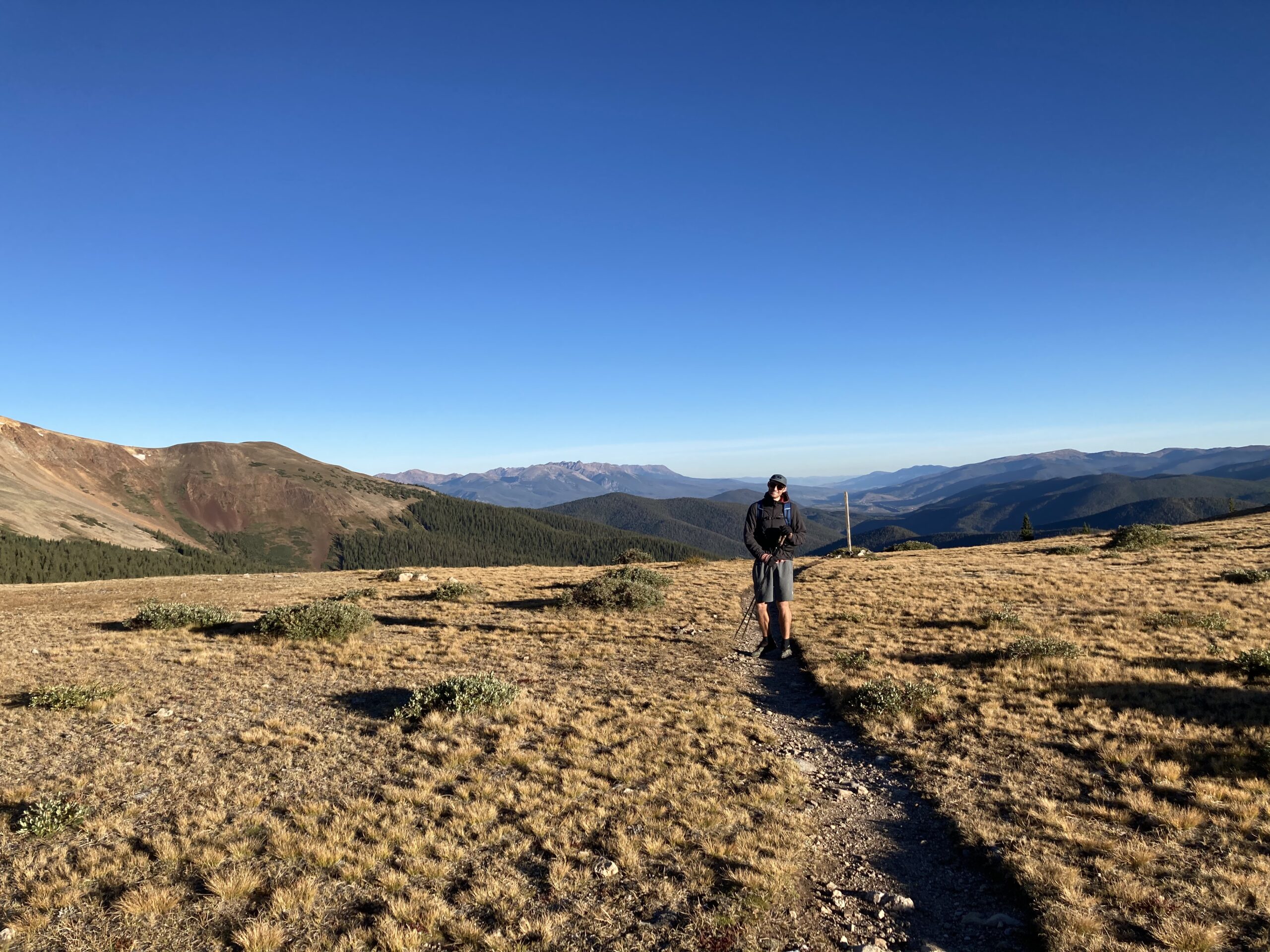
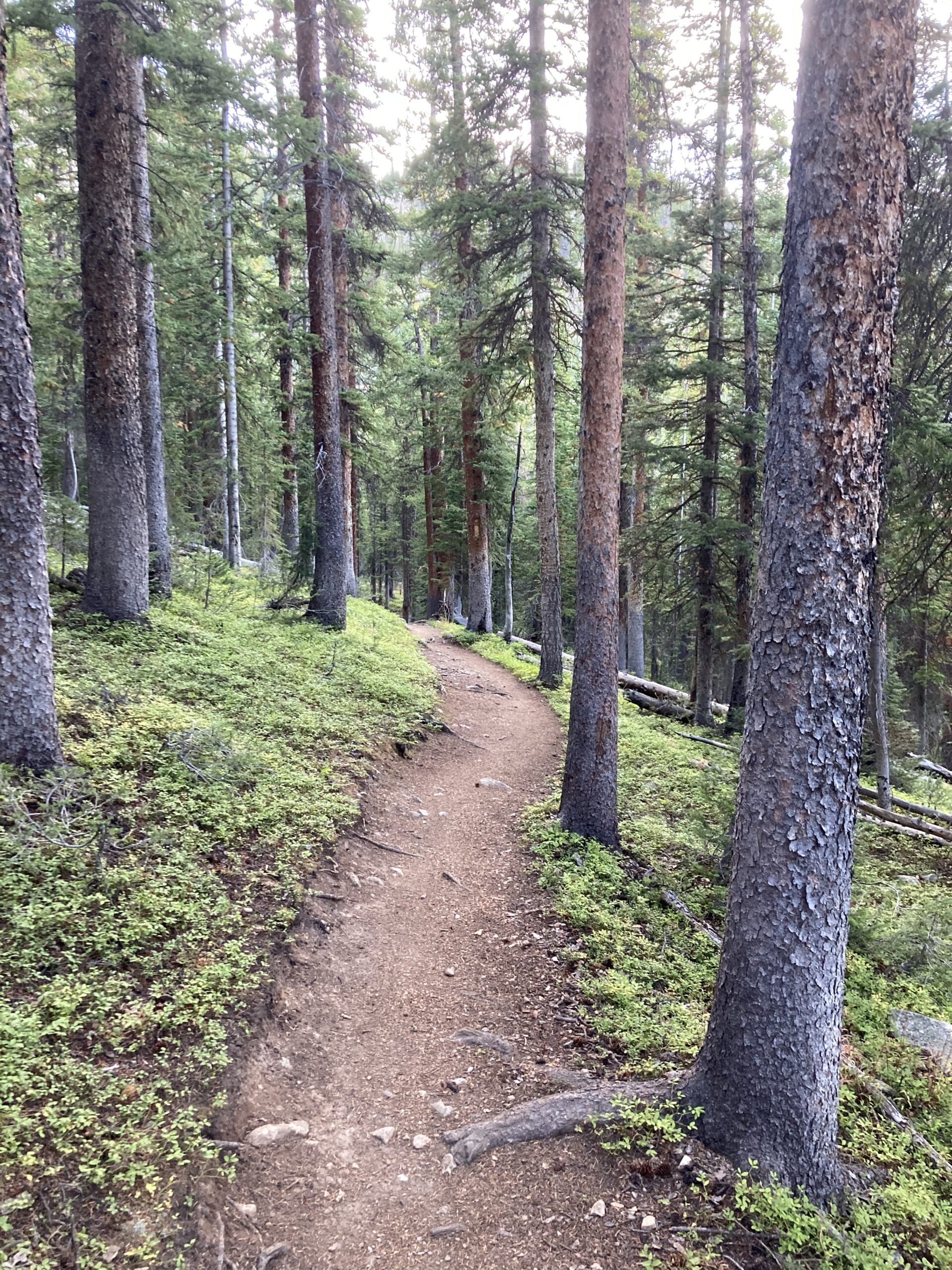
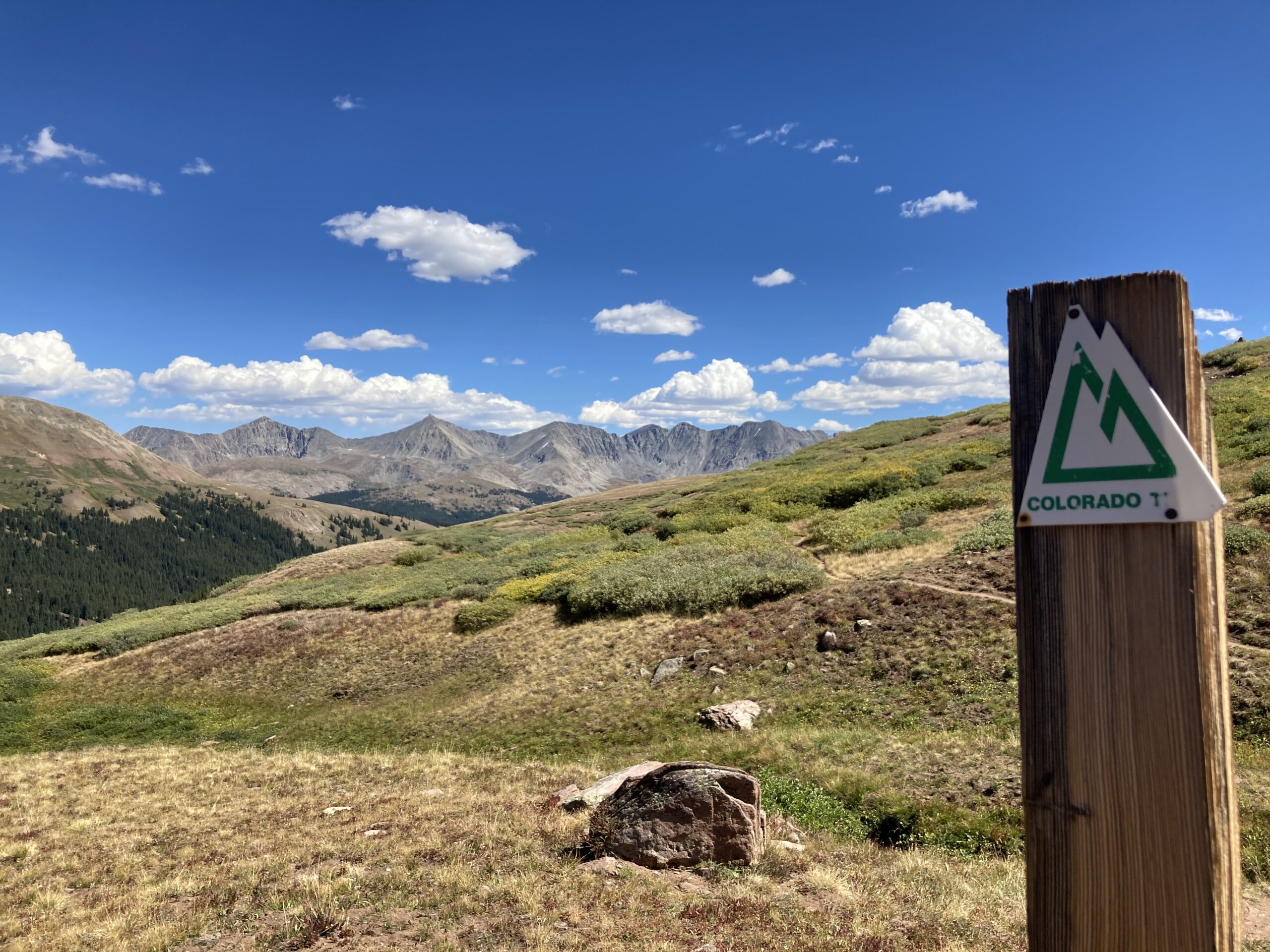
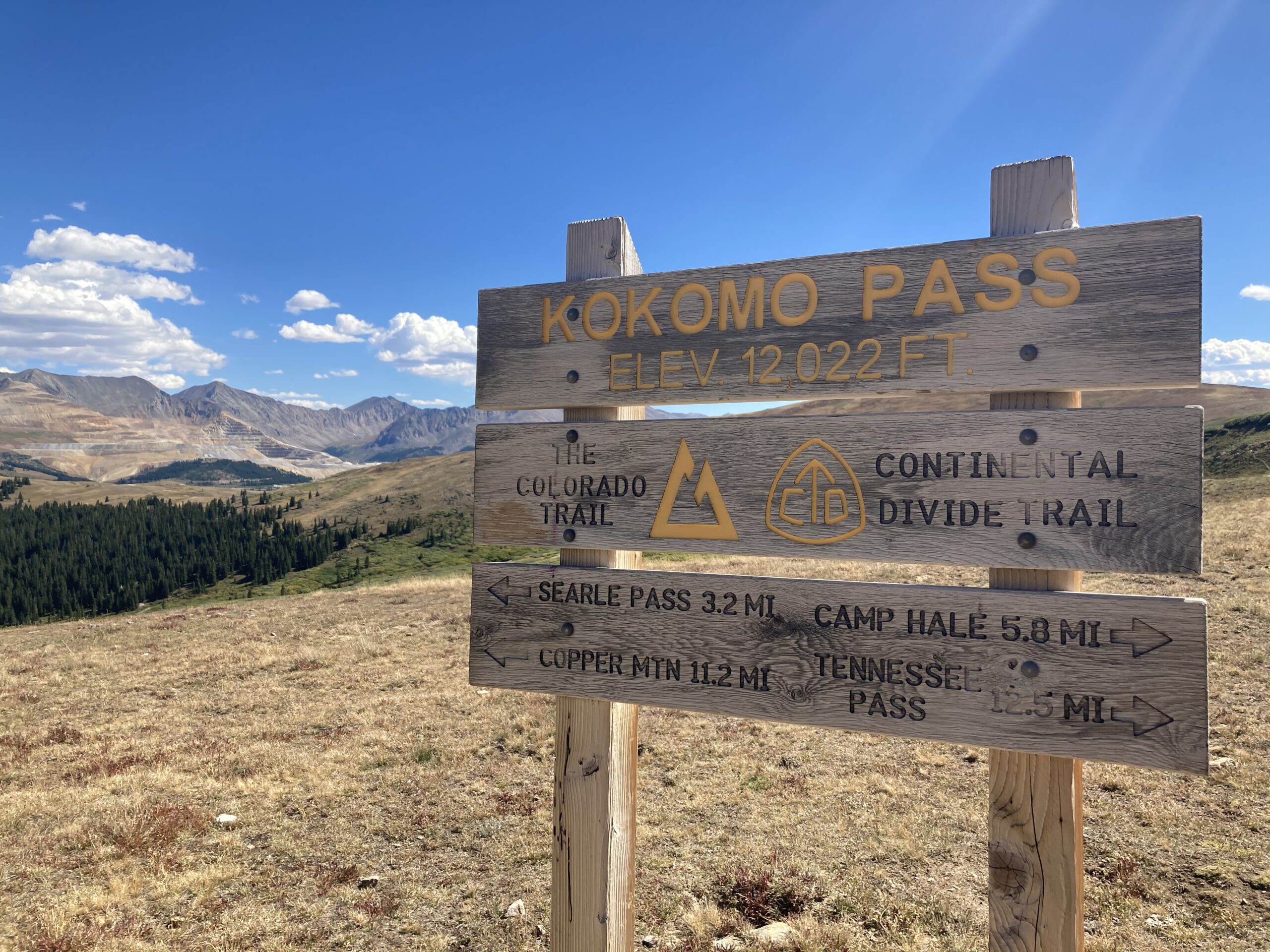
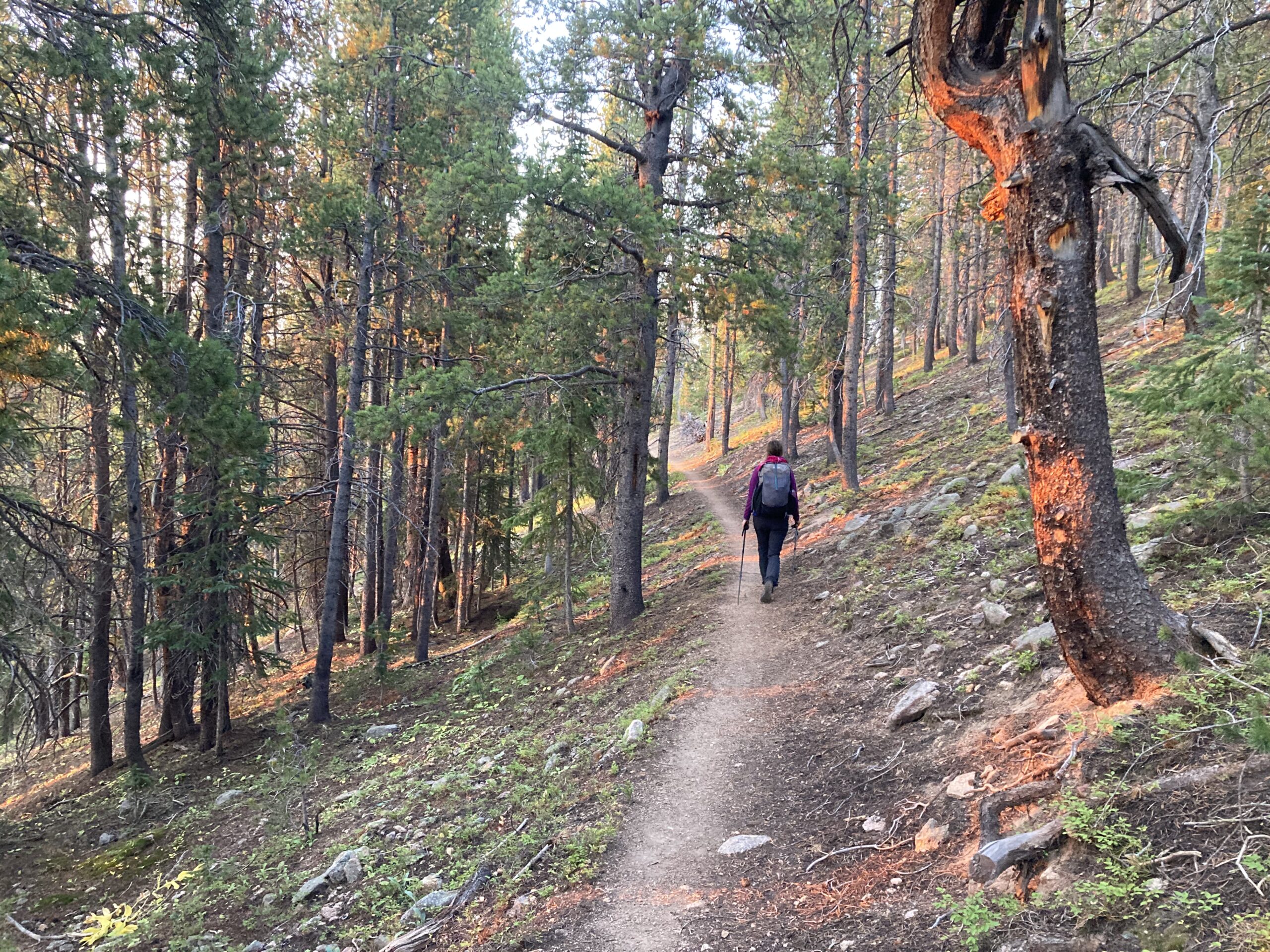
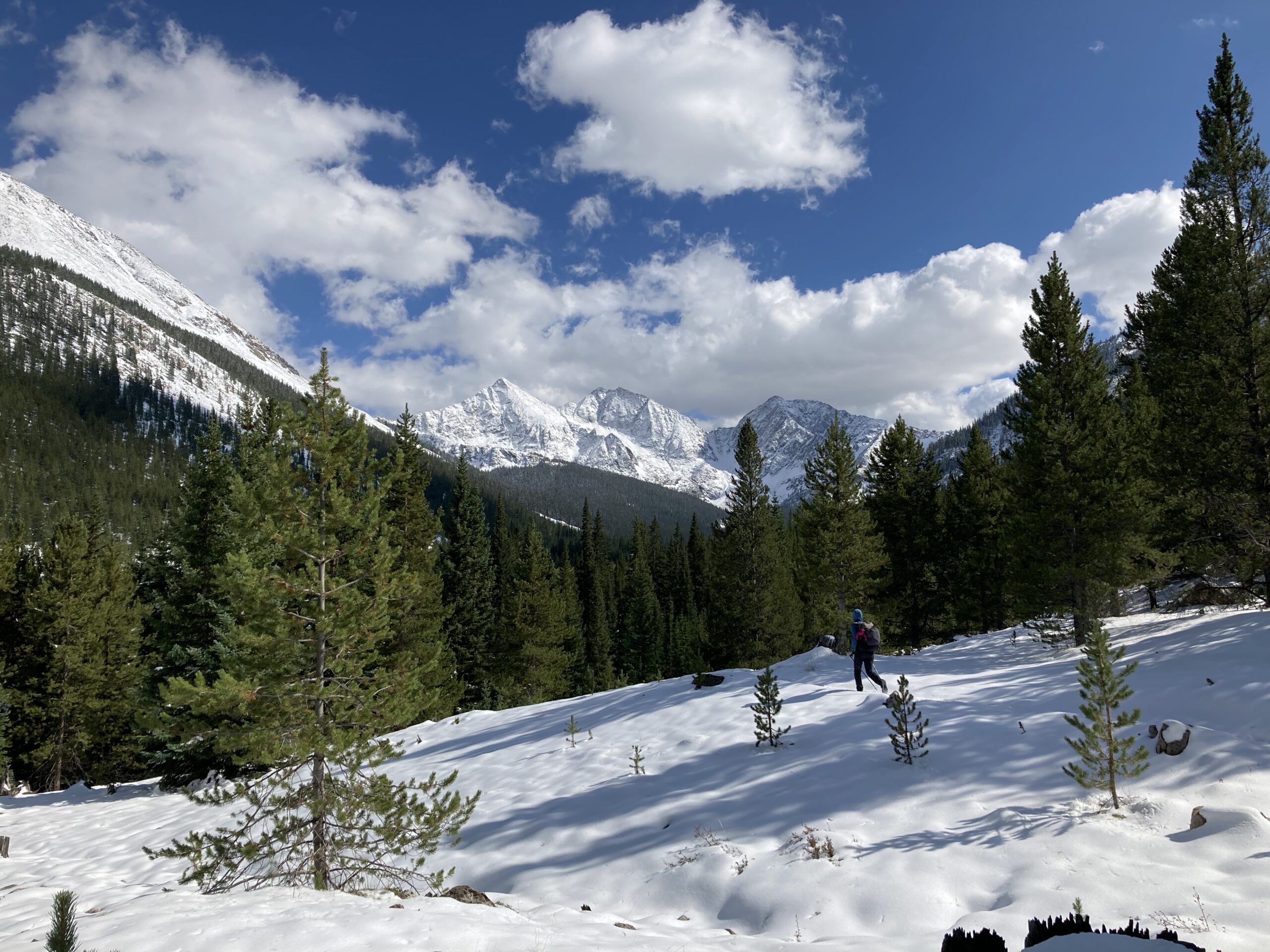
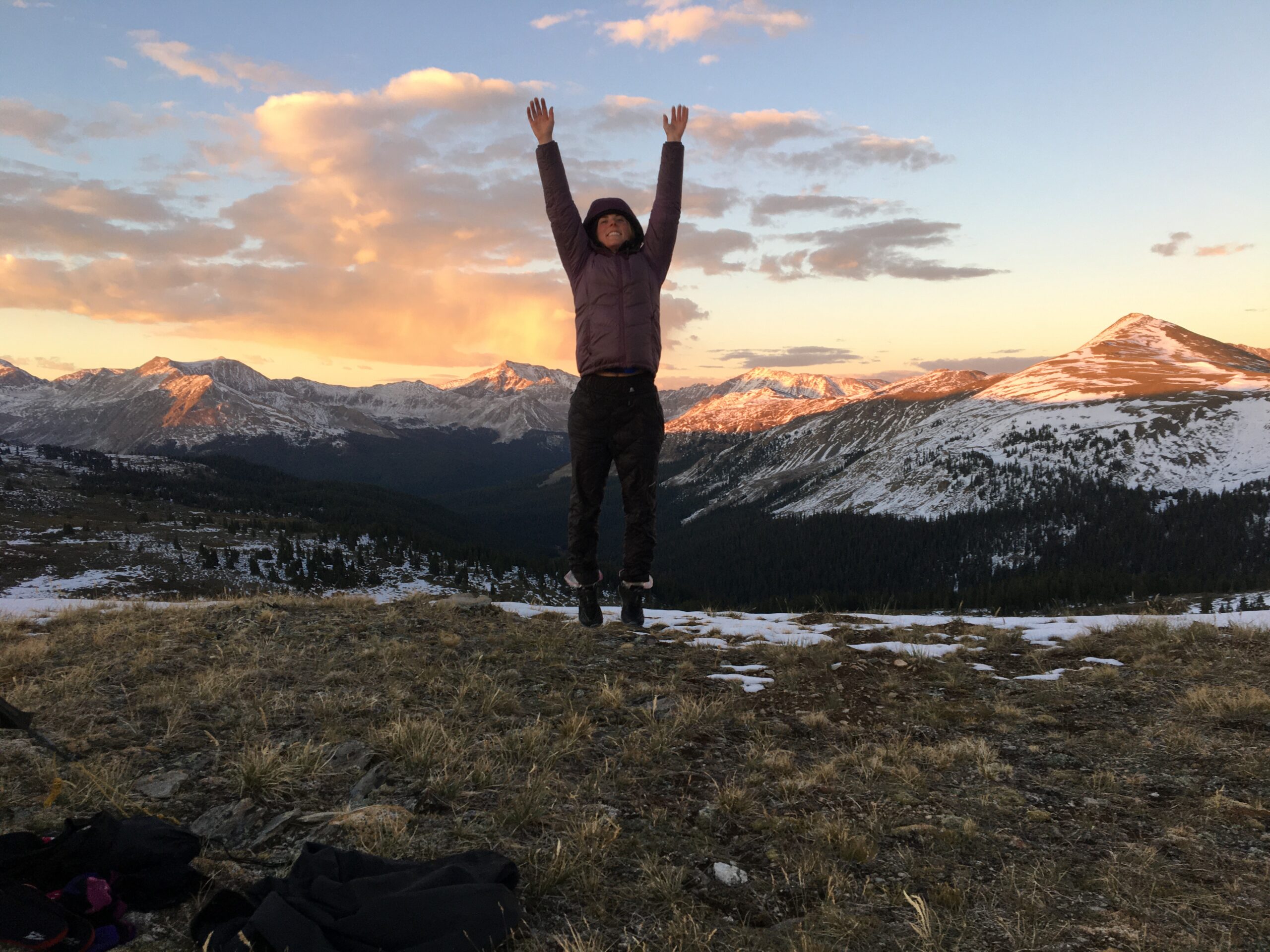
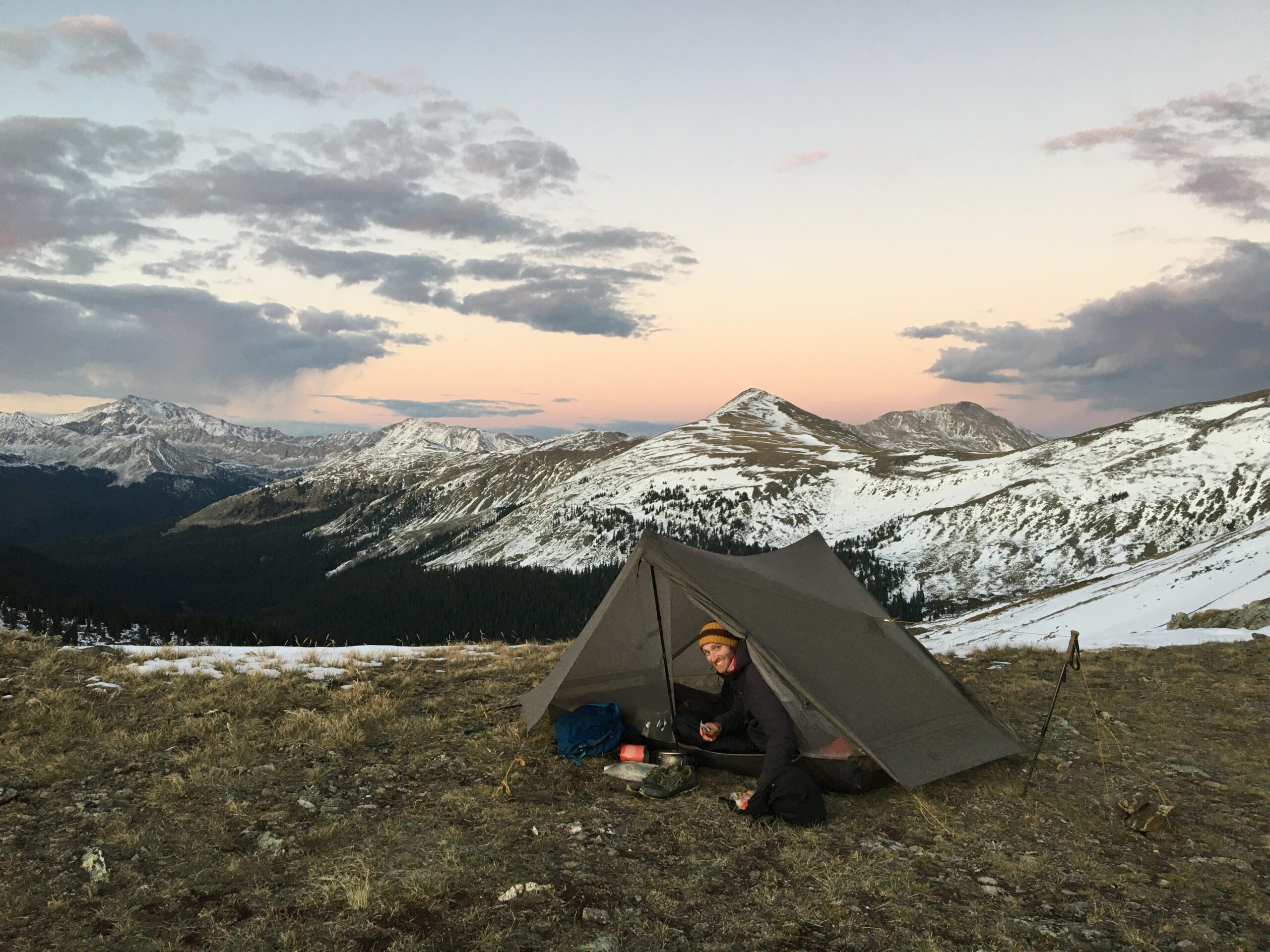
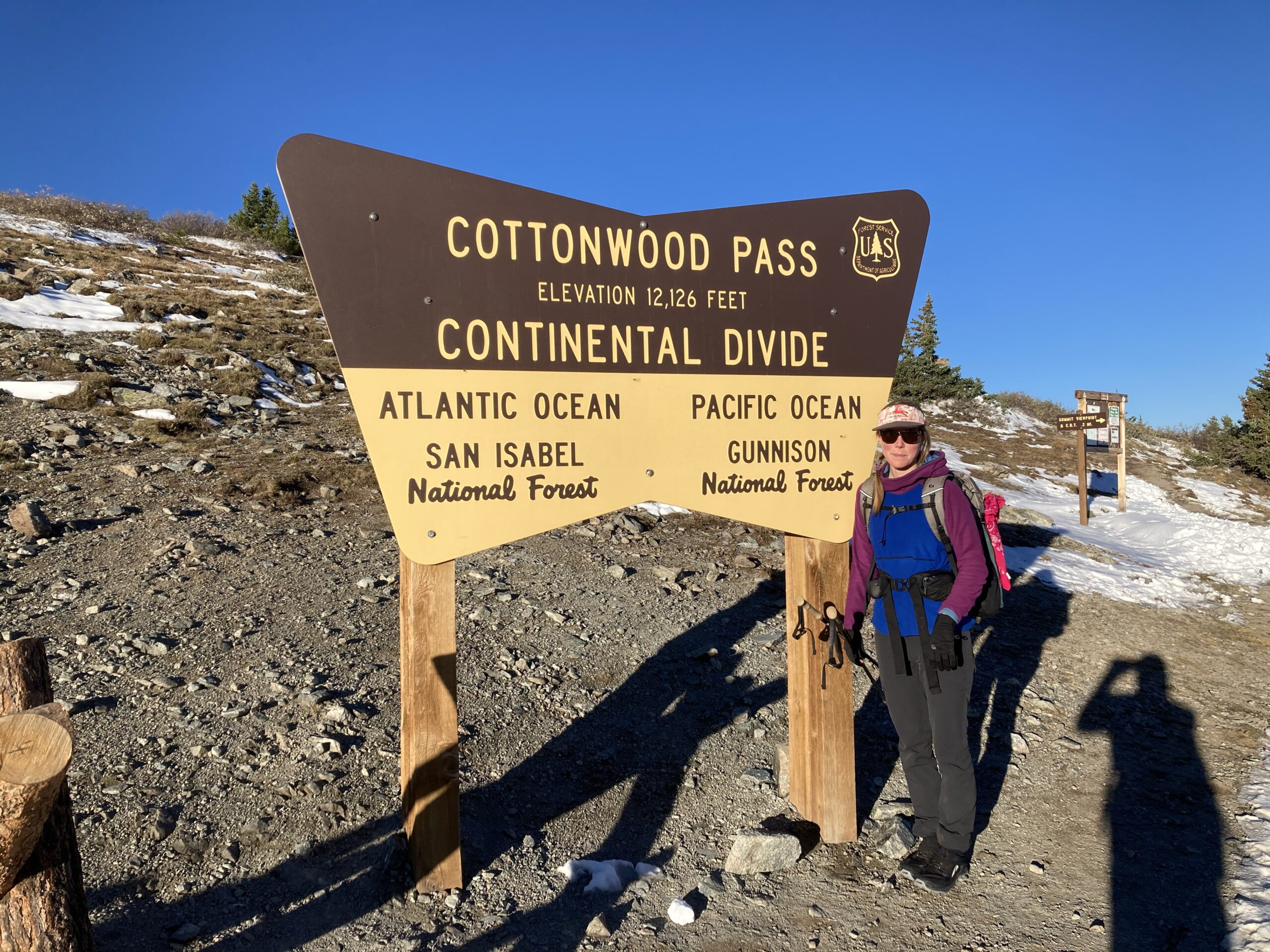
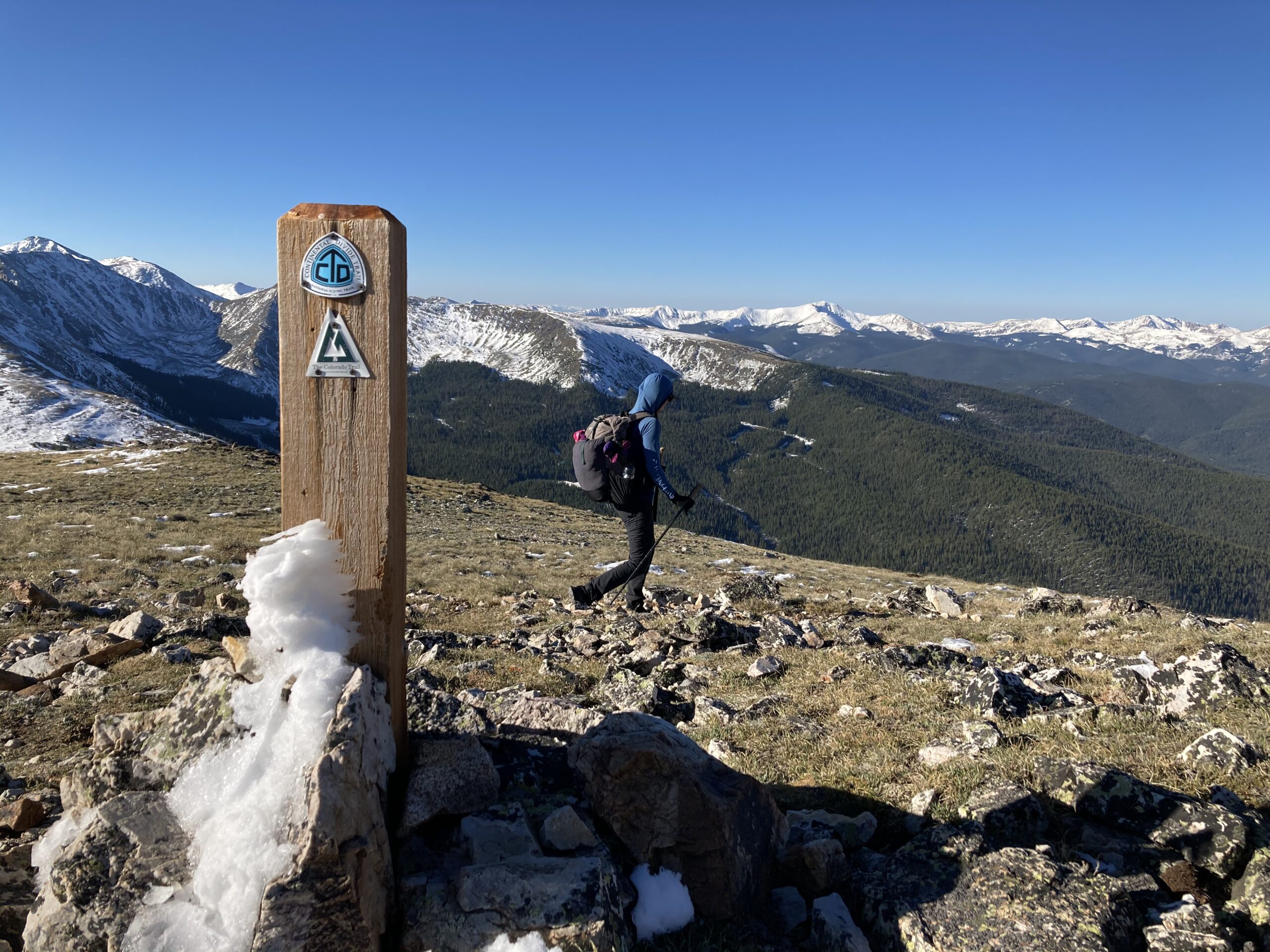
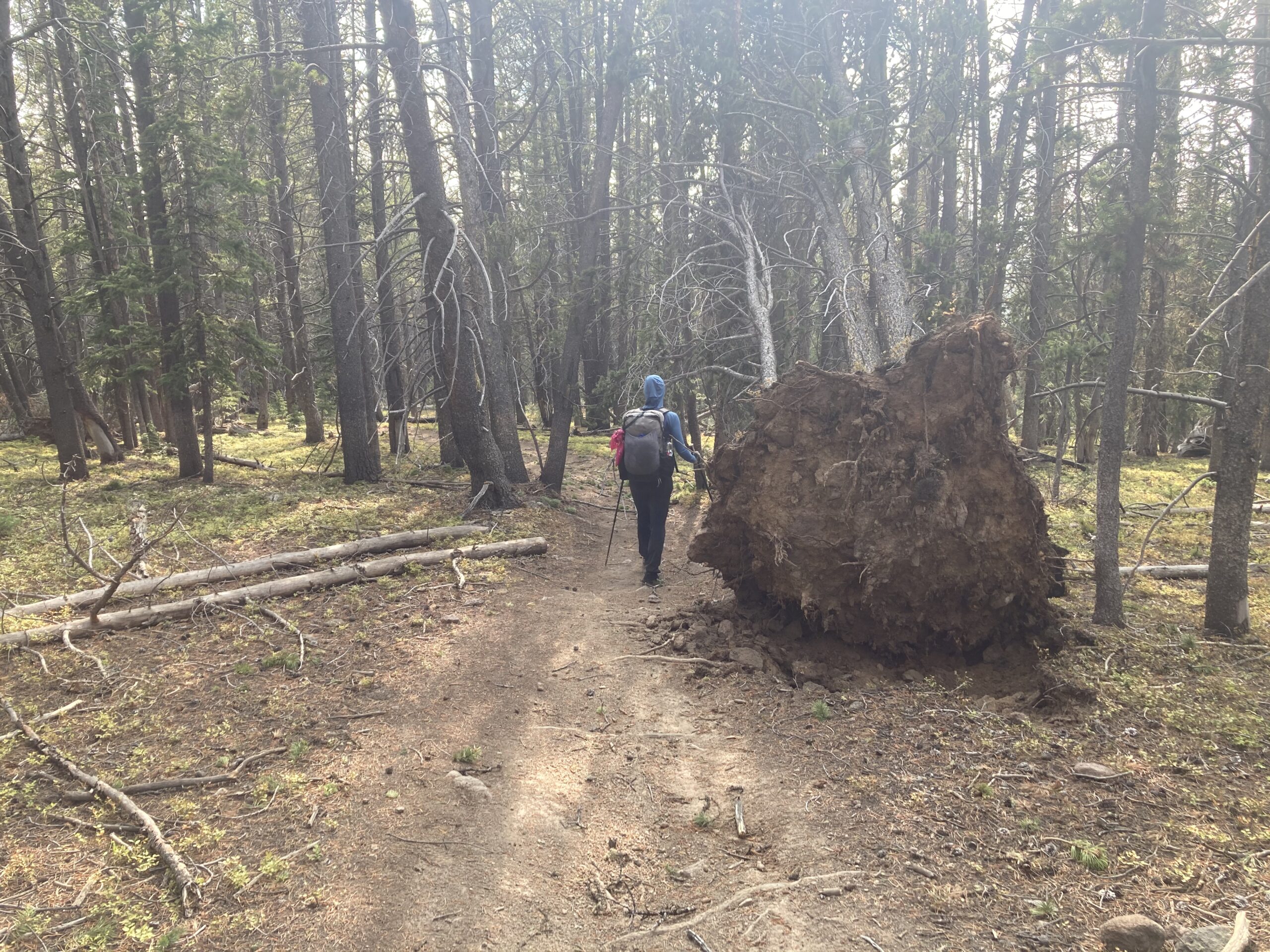
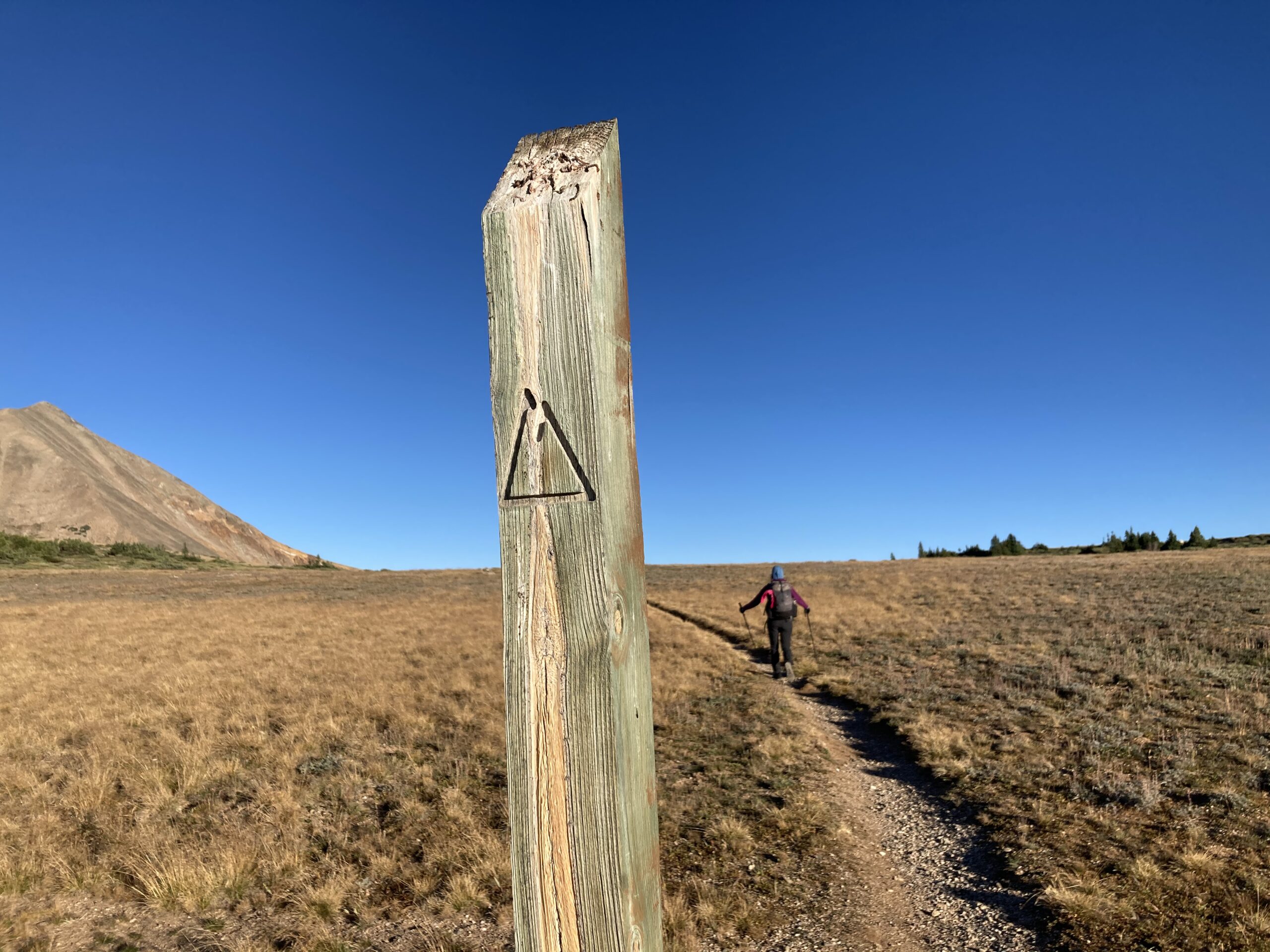
The Colorado Trail is a classic thru-hike in the U.S. There is an interesting backstory of how it came to be. A woman named Gudy Gaskill is the key figure associated with creating the Colorado Trail. To give an overview, the Colorado Trail runs from Denver to Durango, or vice versa. It traverses about 500 miles of Colorado’s various wilderness areas and forests. It runs through a couple very well known areas of the state such as the Collegiate Peaks Wilderness and San Juans of Southern Colorado. It is a very well maintained trail that is well marked the whole way.
Experience
High Moments
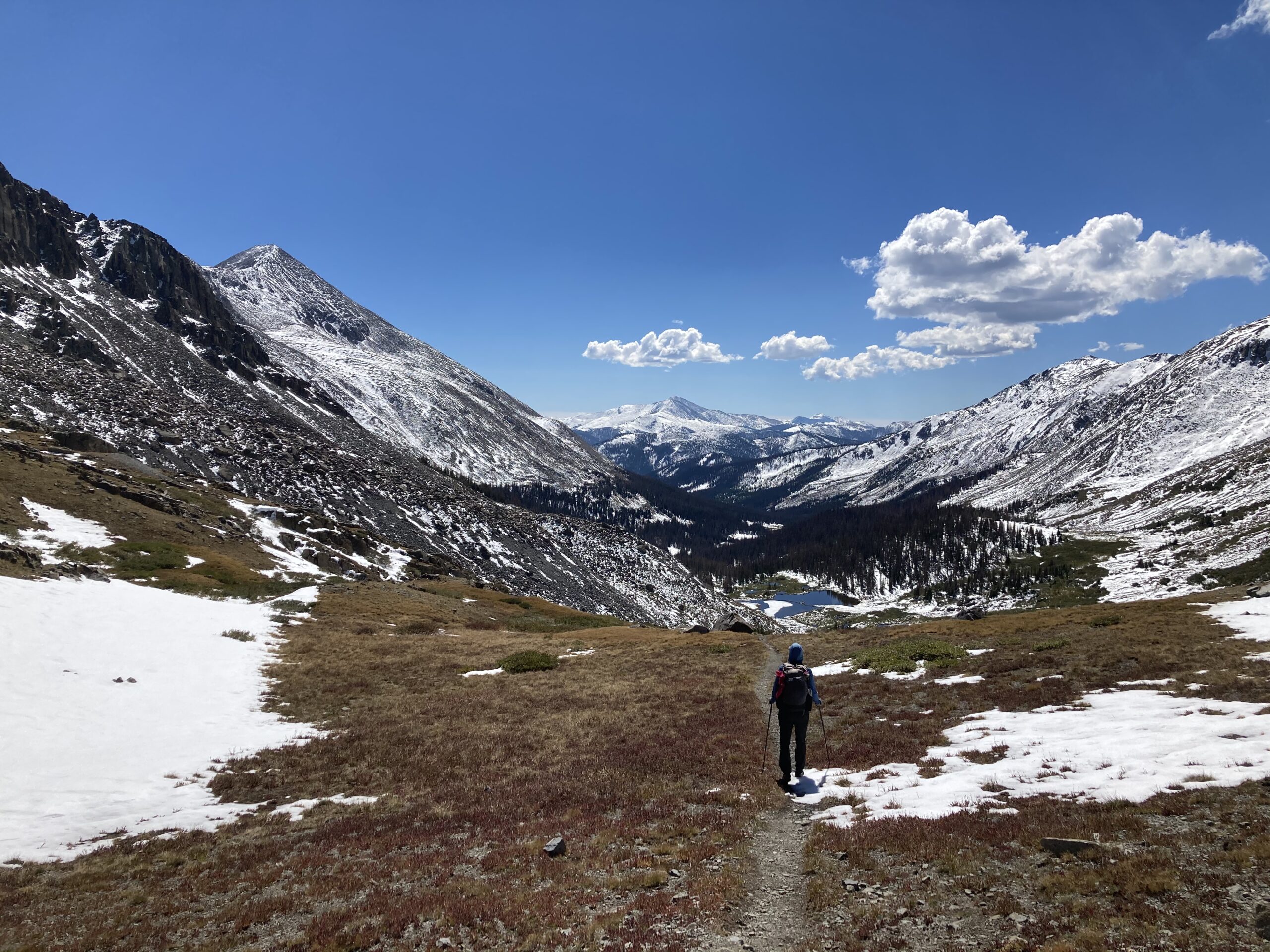
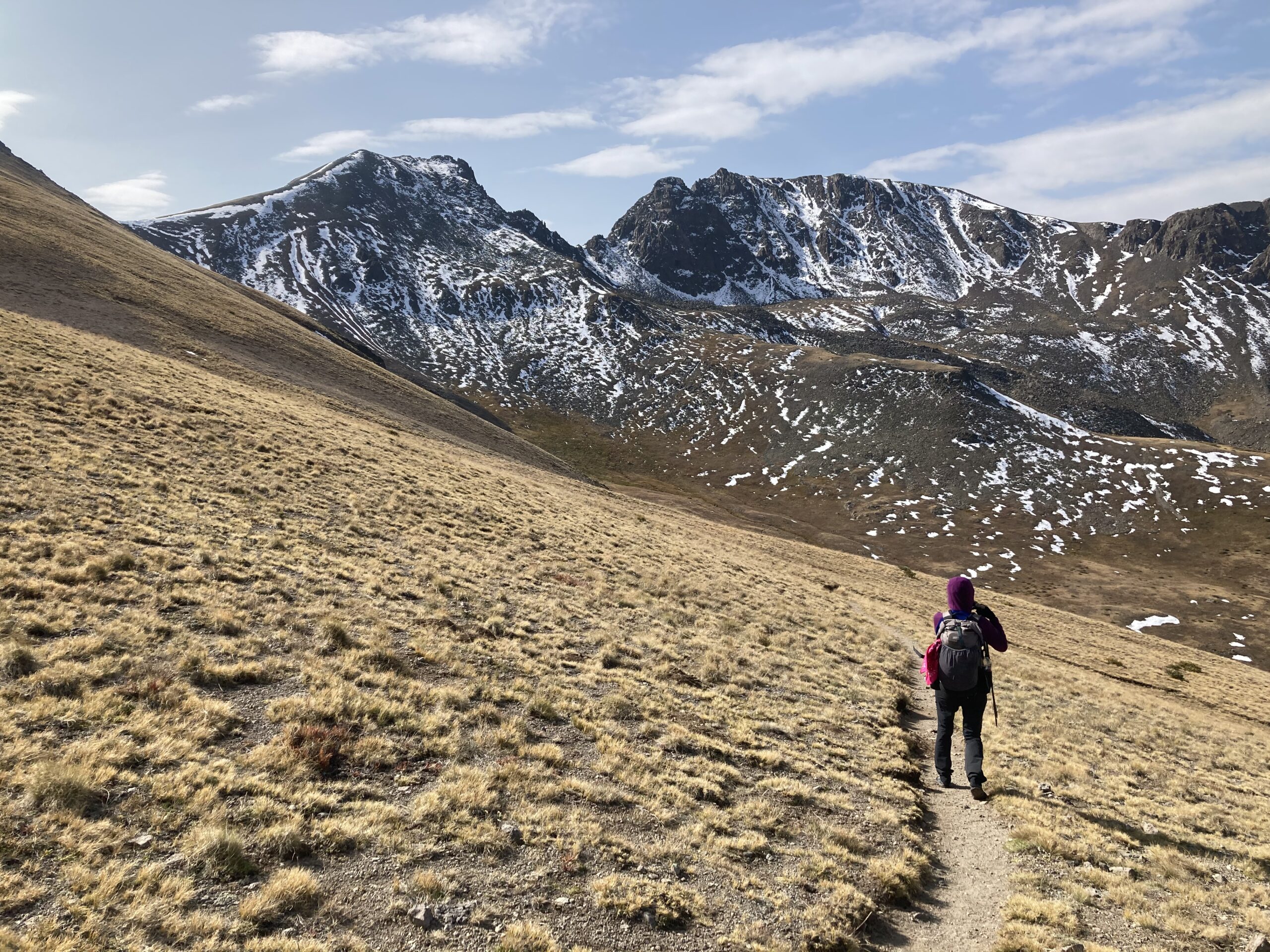
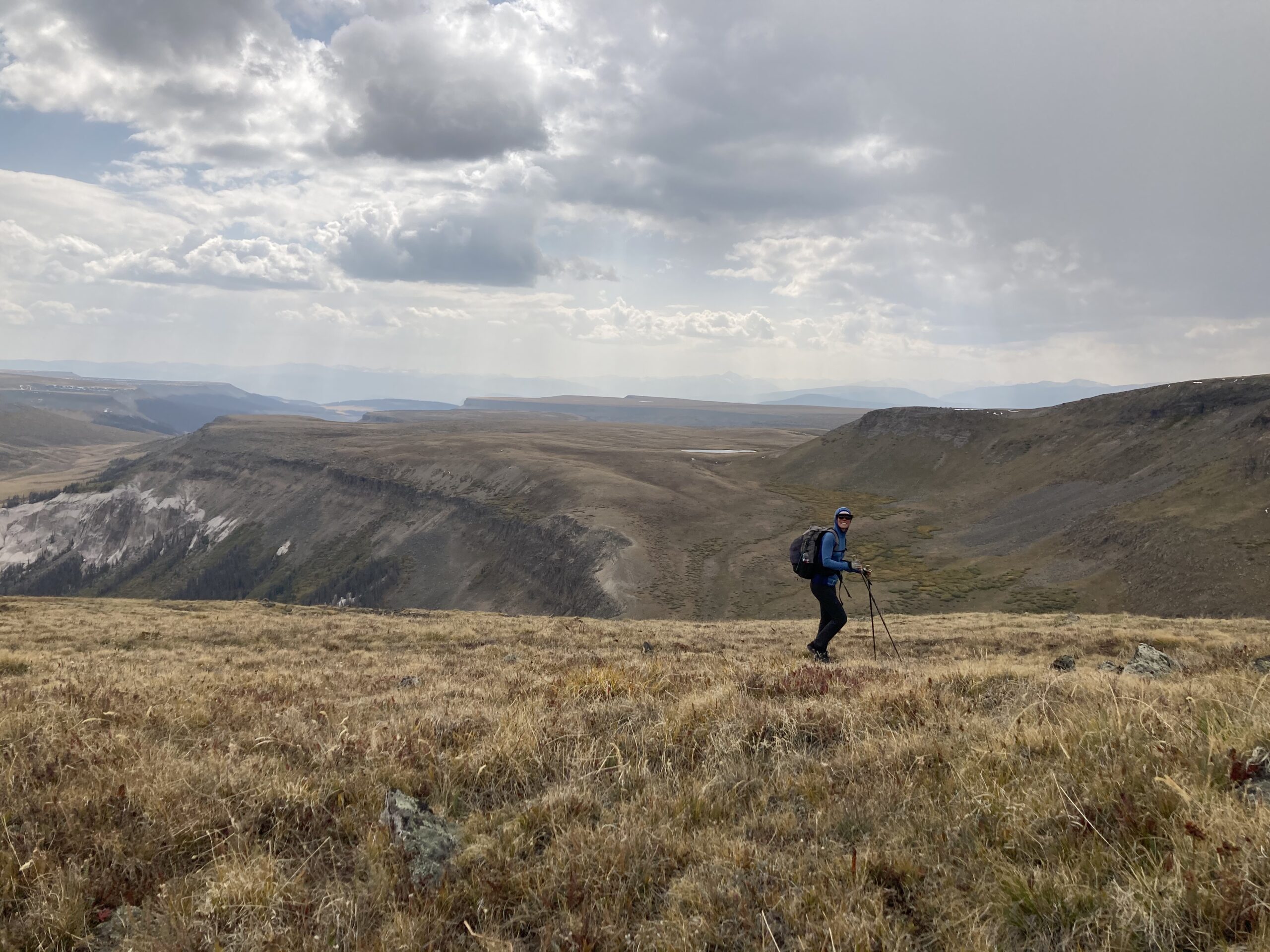
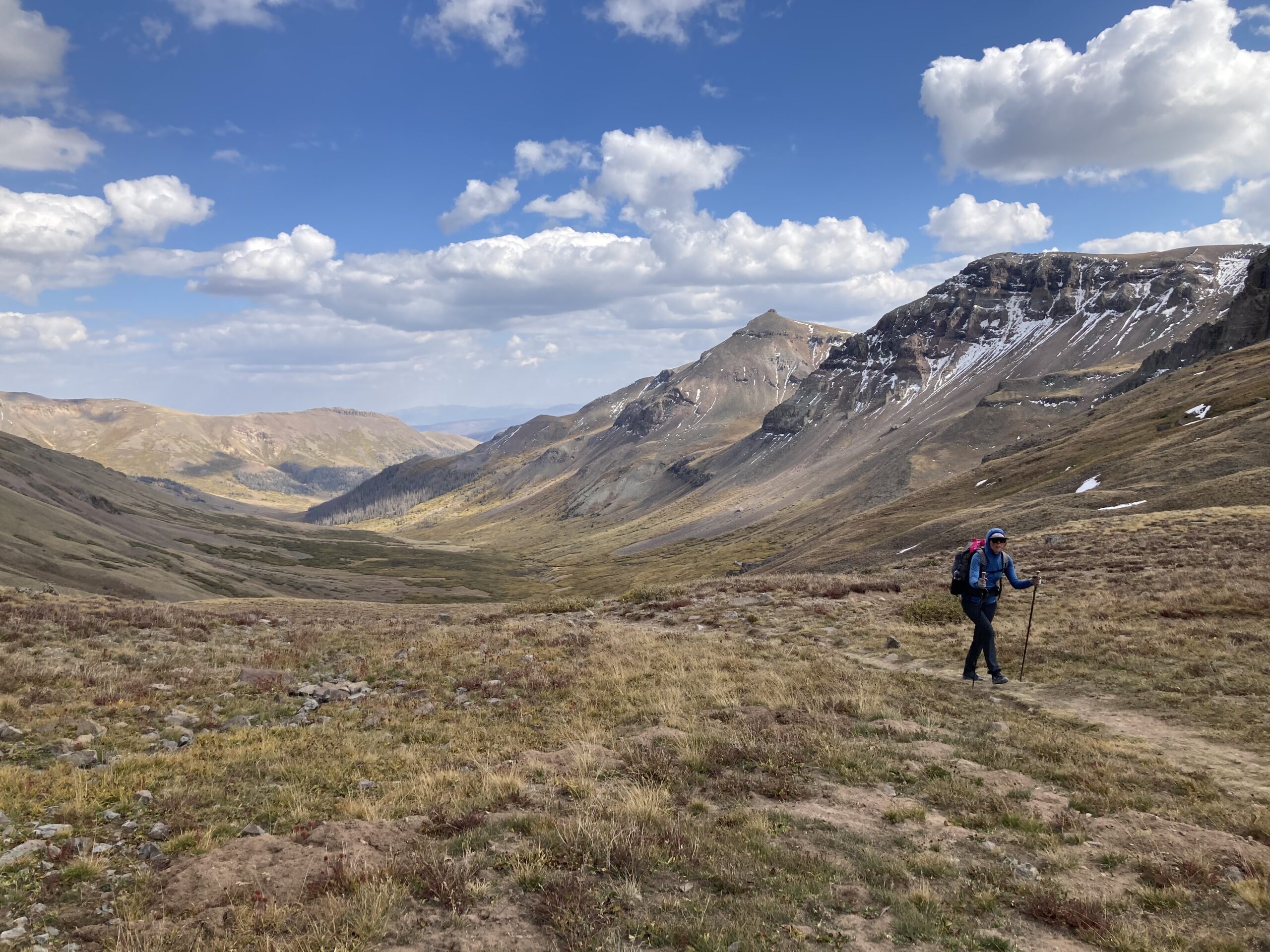
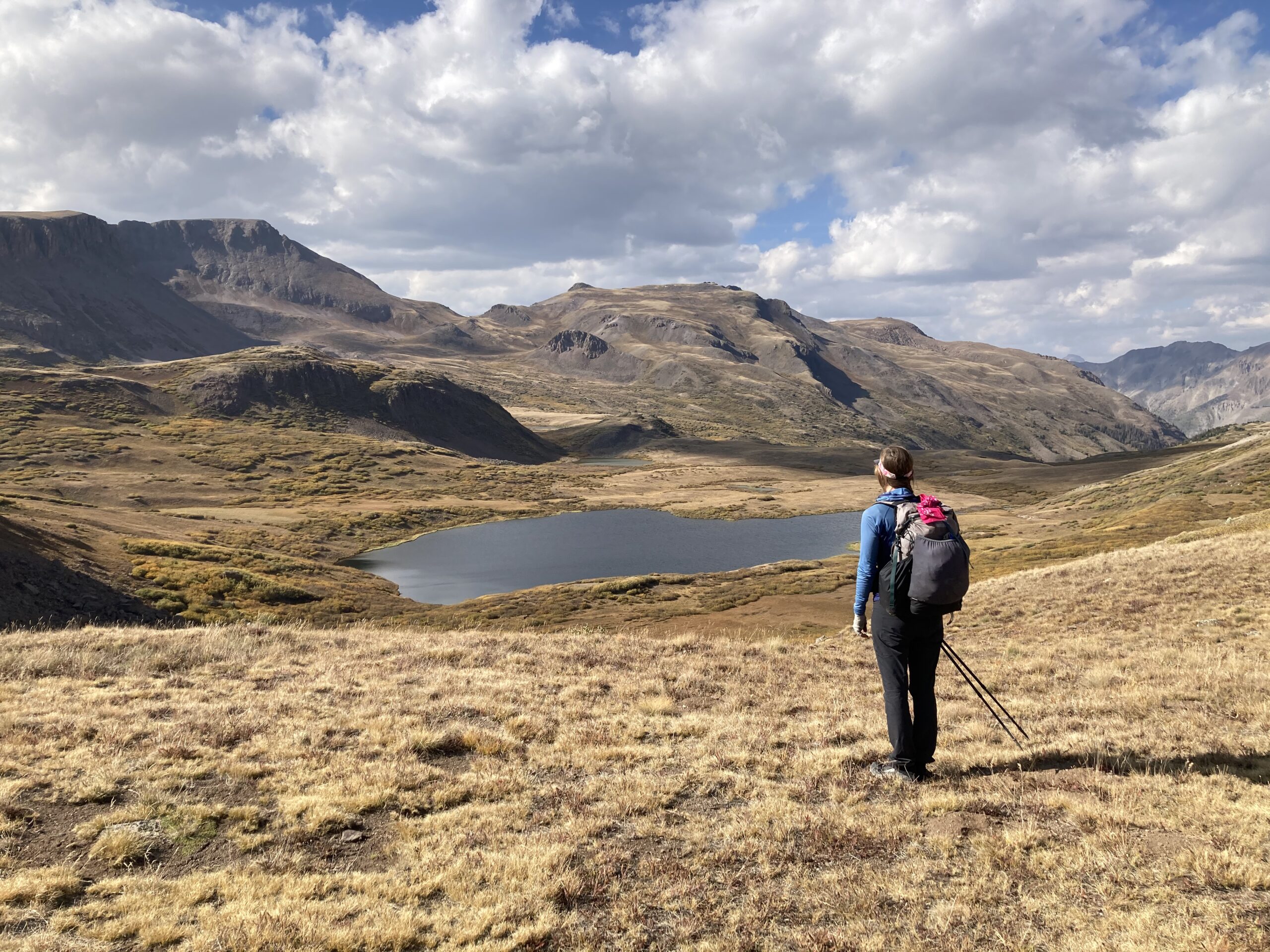
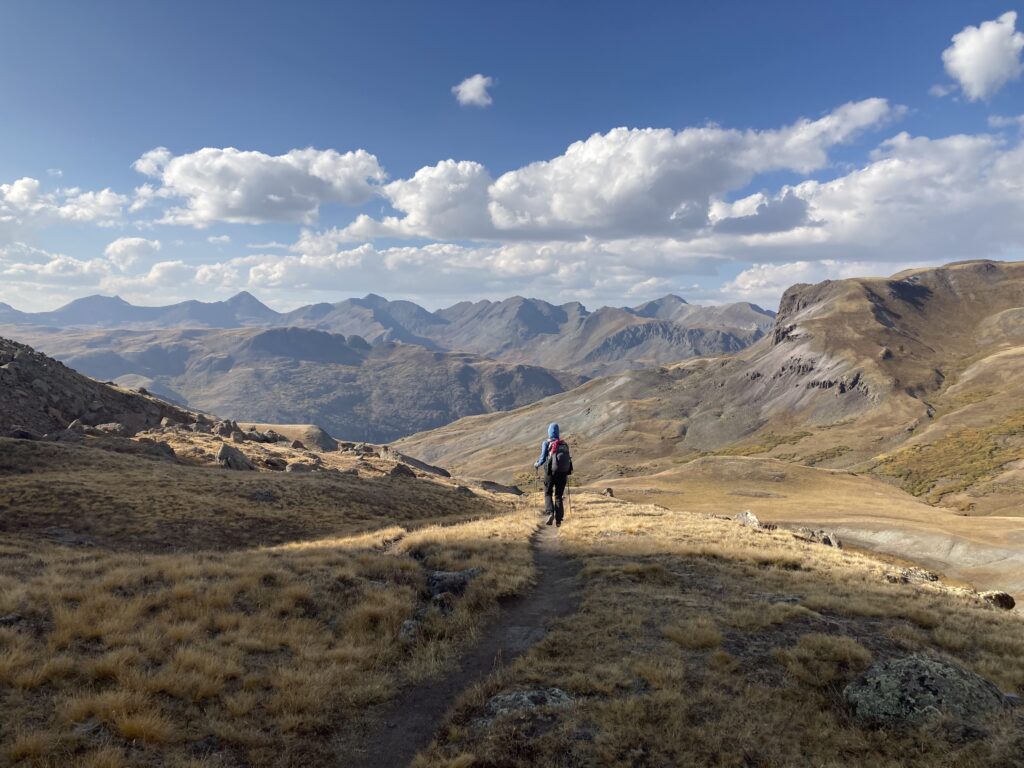
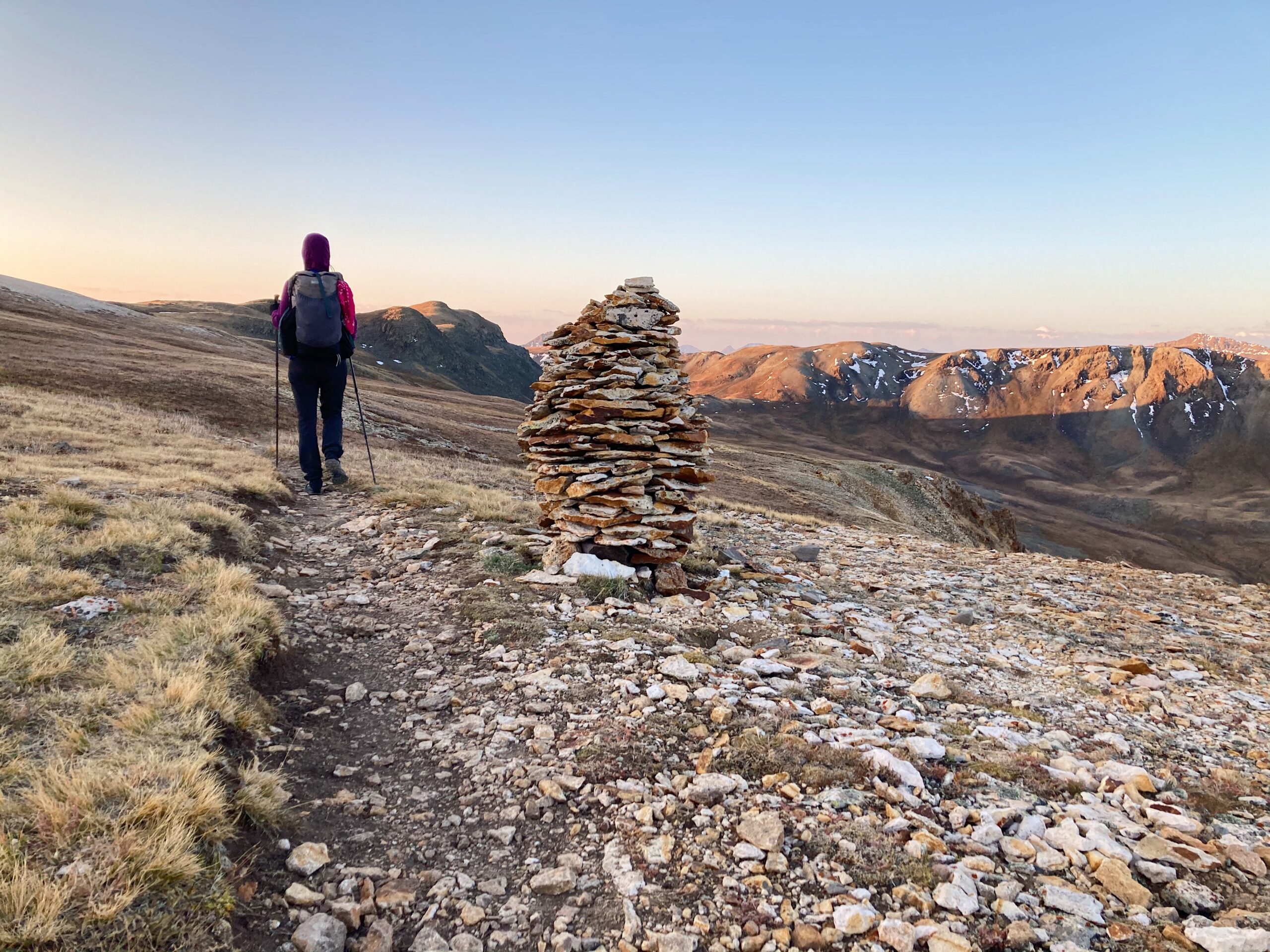
The San Juans
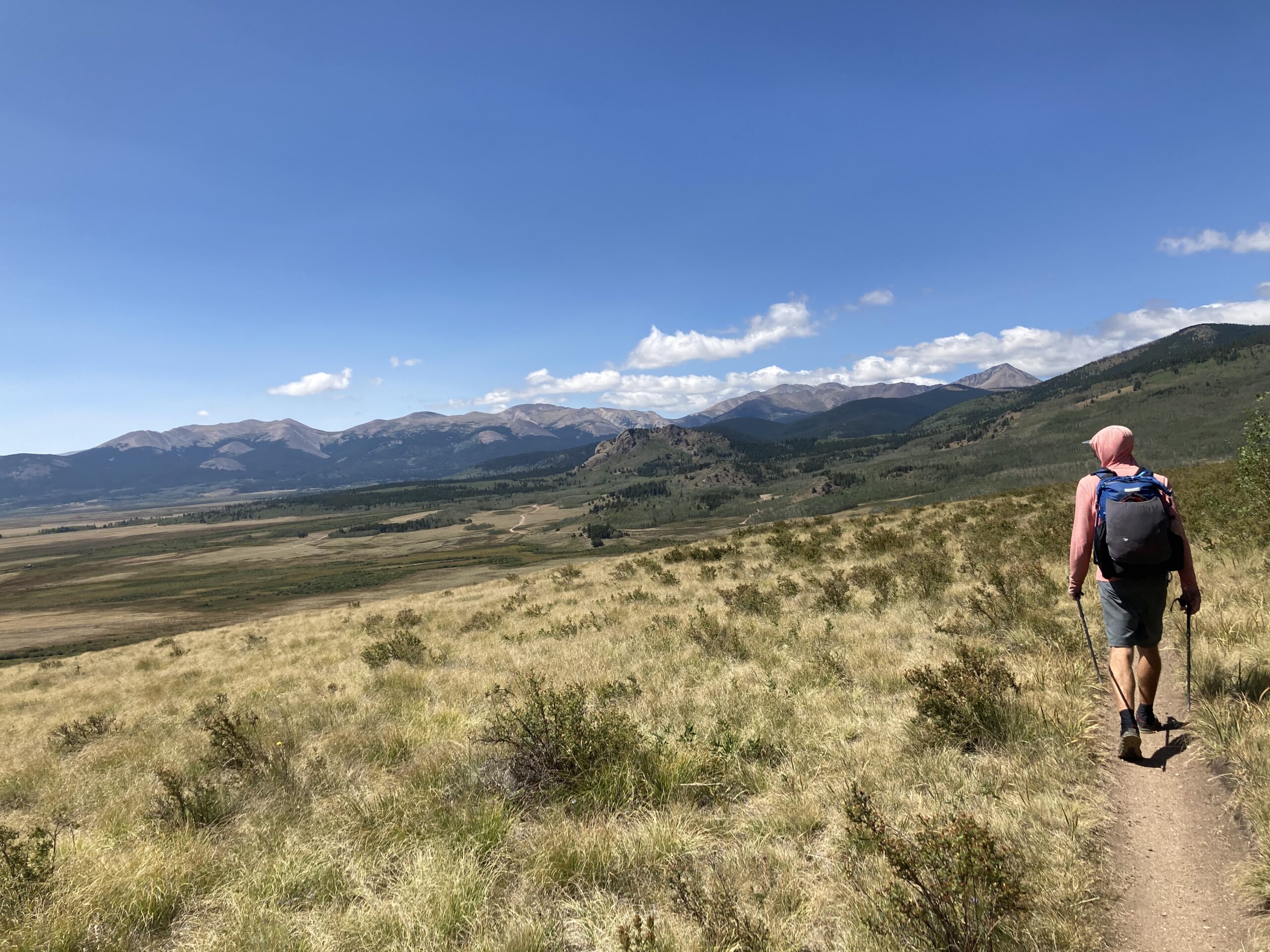
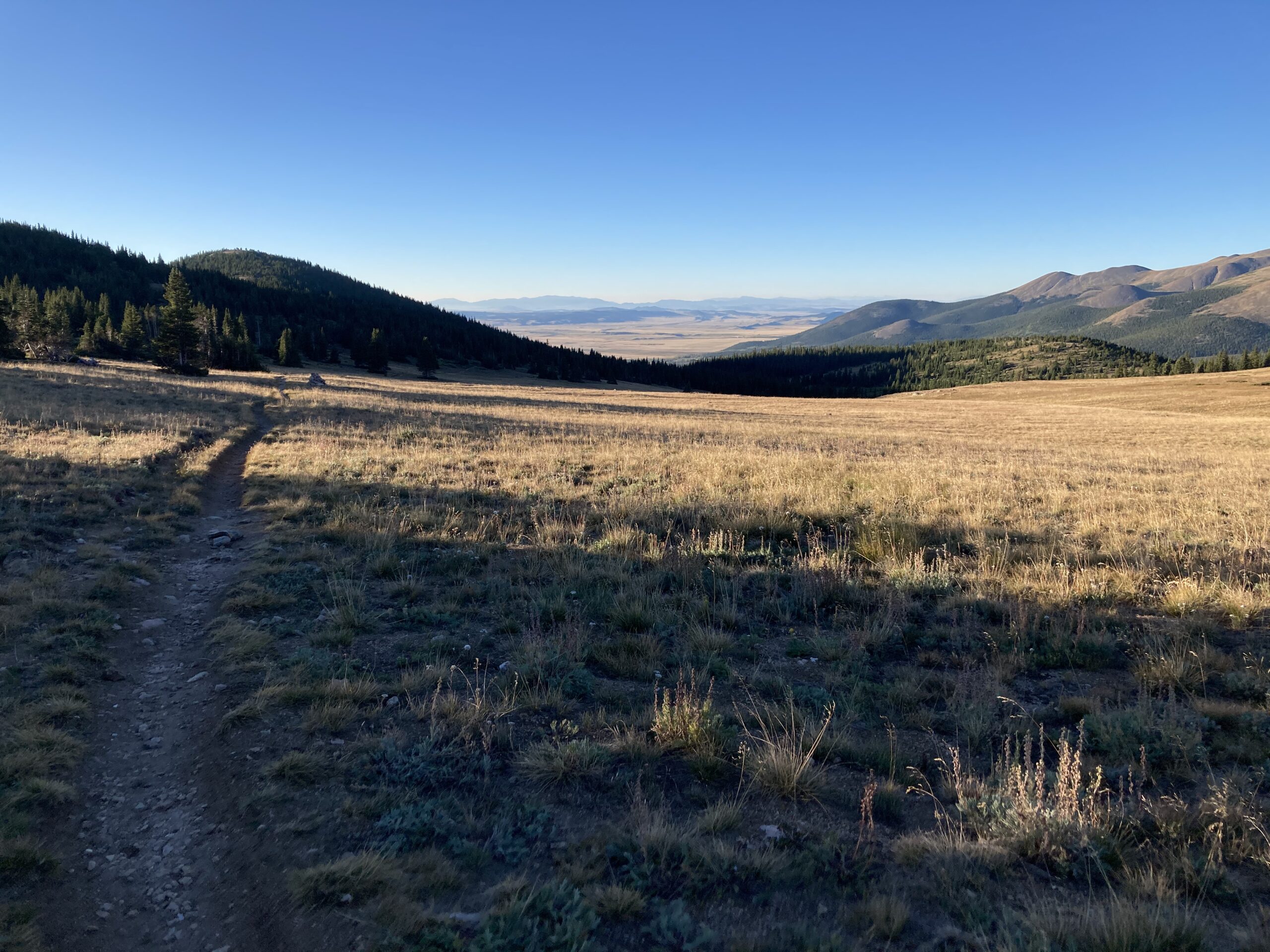
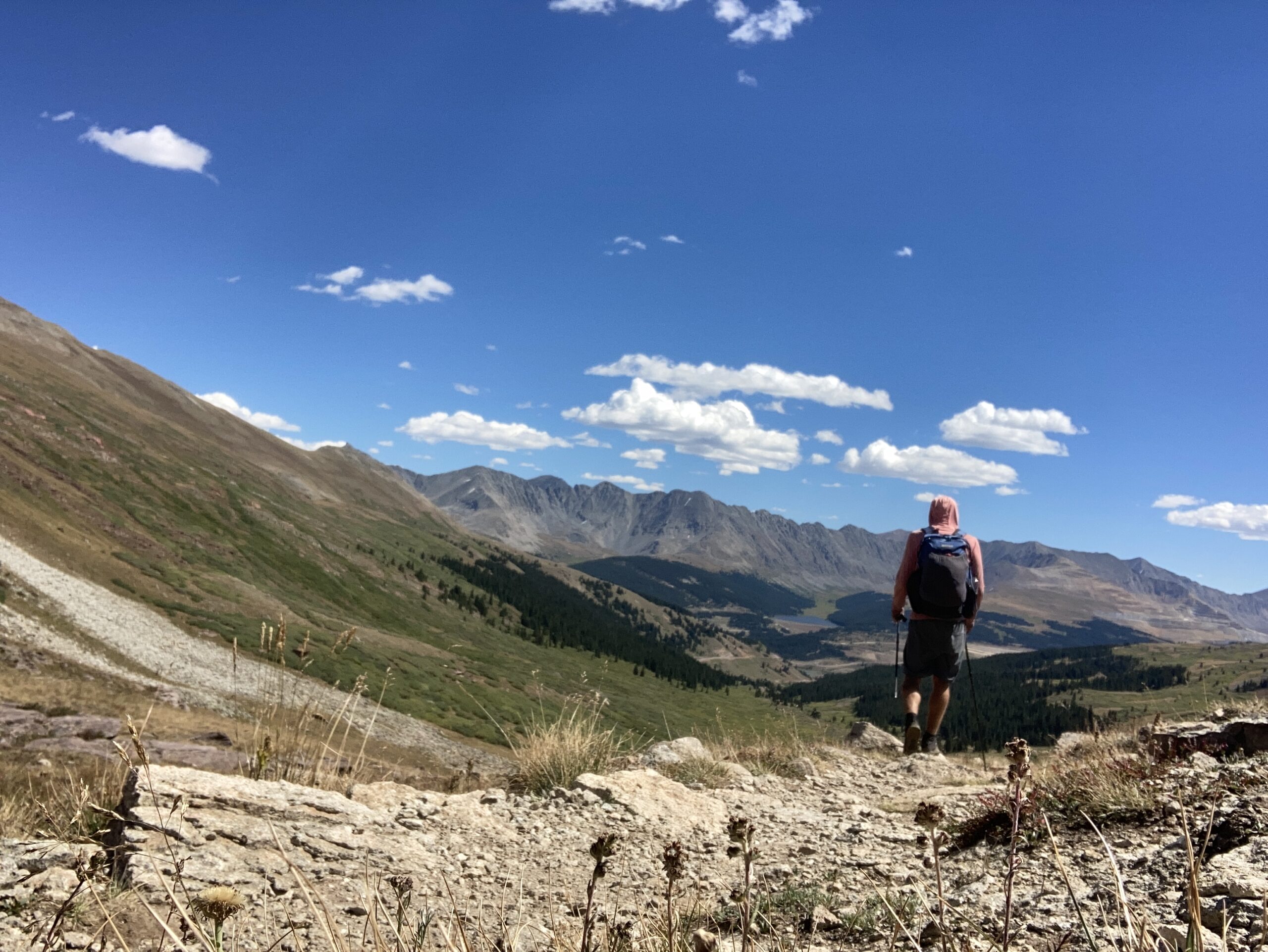
This area was by far one of our favorite sections. Its such a vast and expansive landscape and there is incredible trail the whole way through. Its a place we definitely want to come back to.
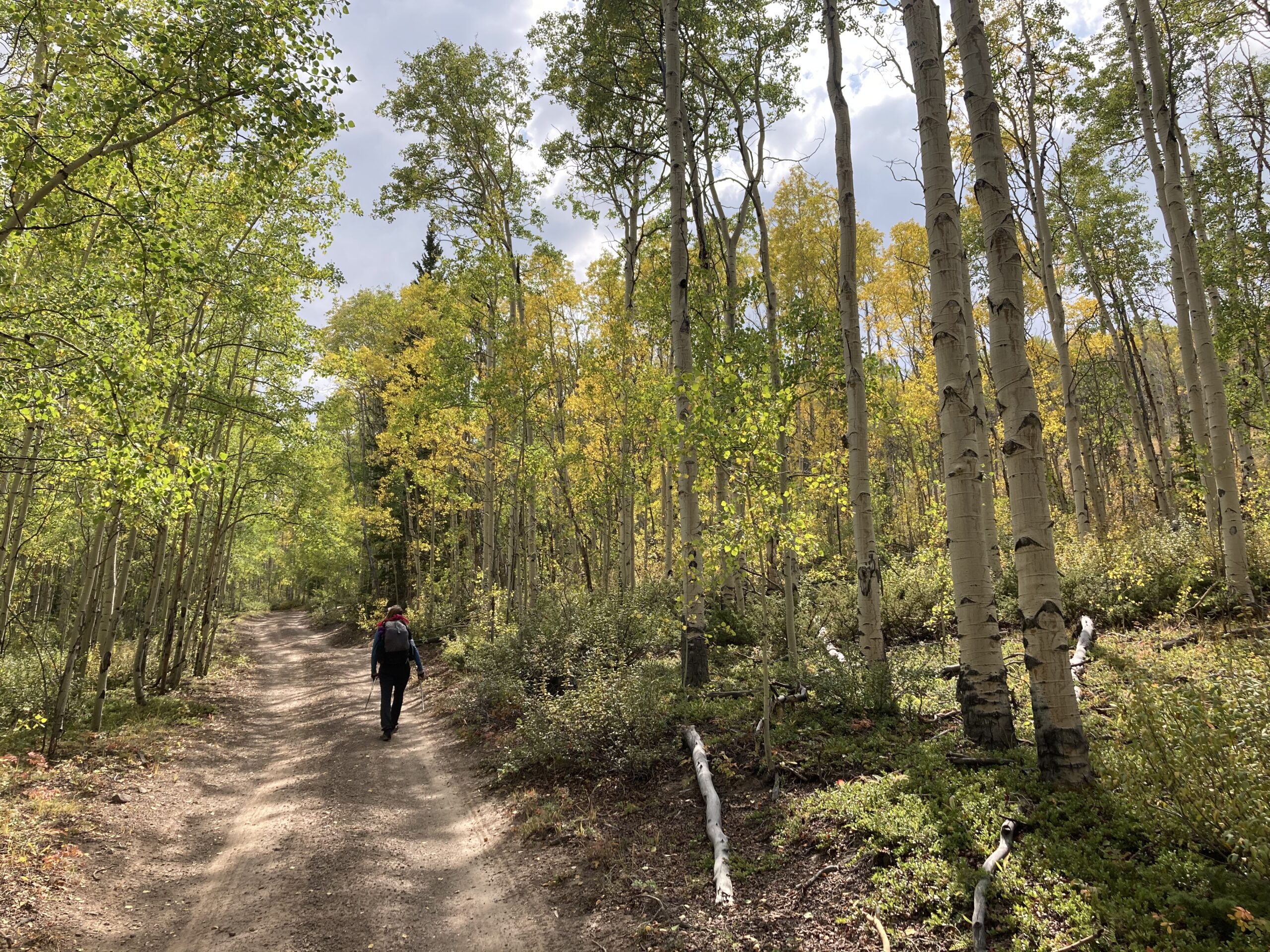
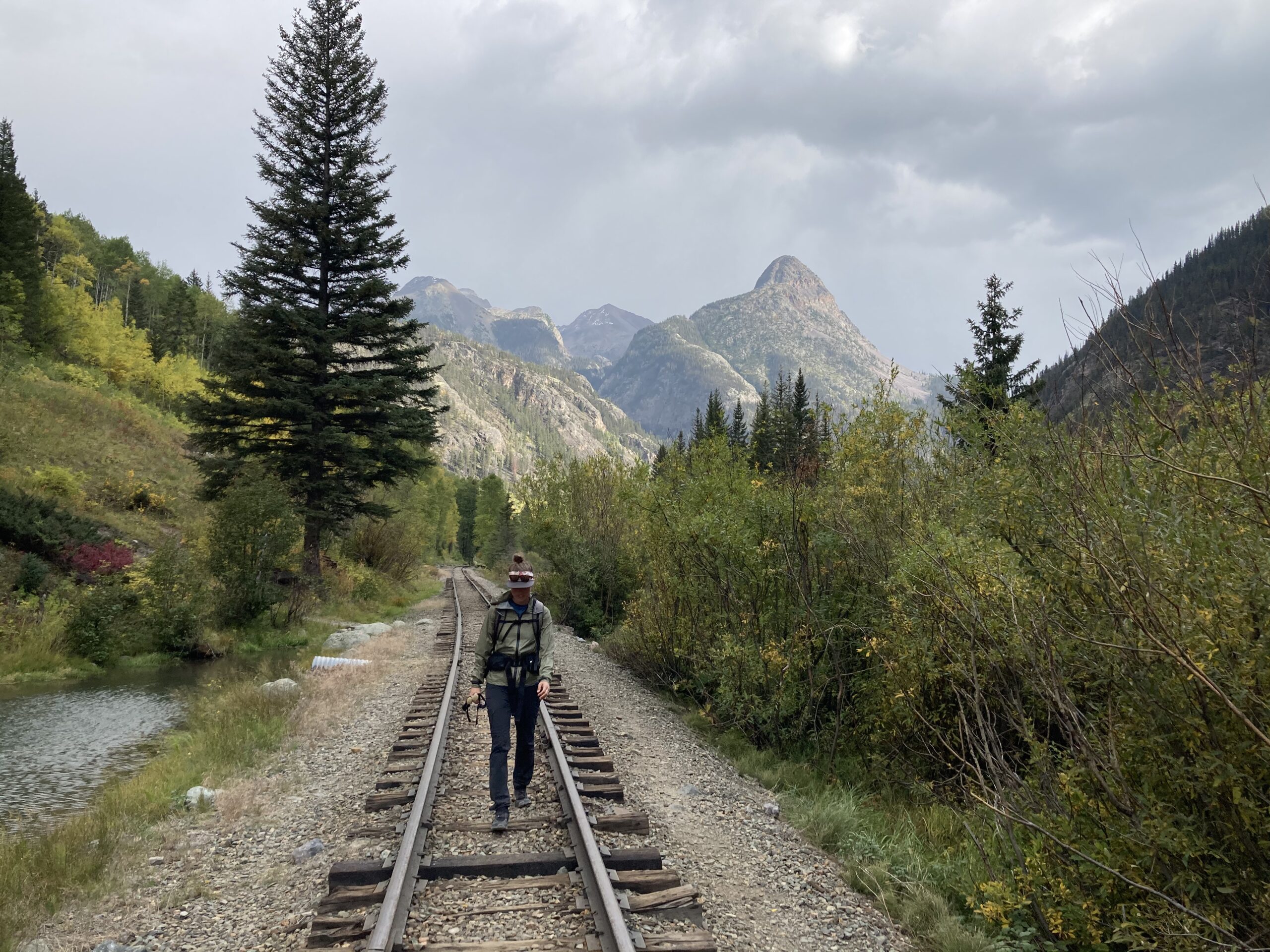
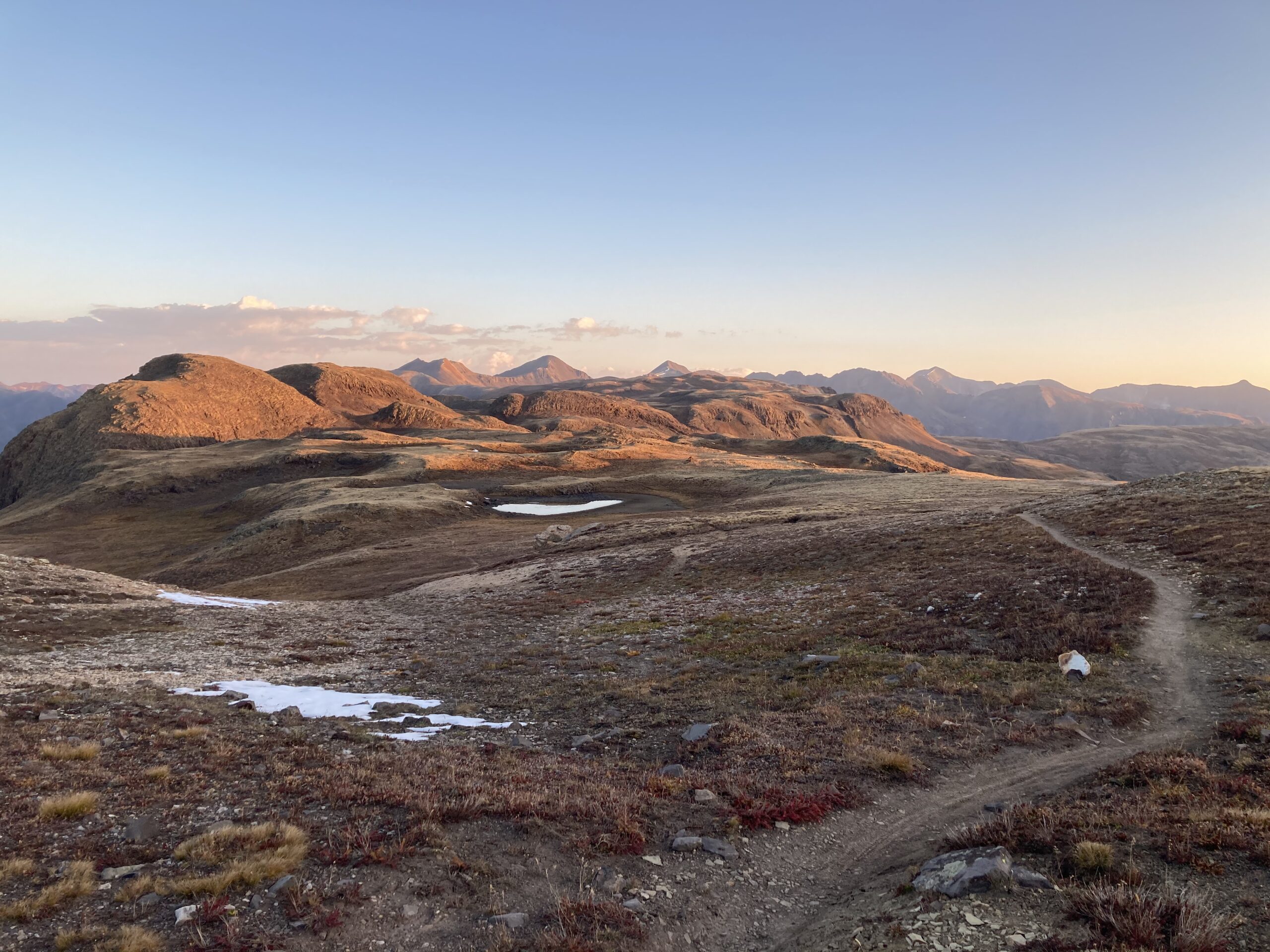
Aspens in Silverton
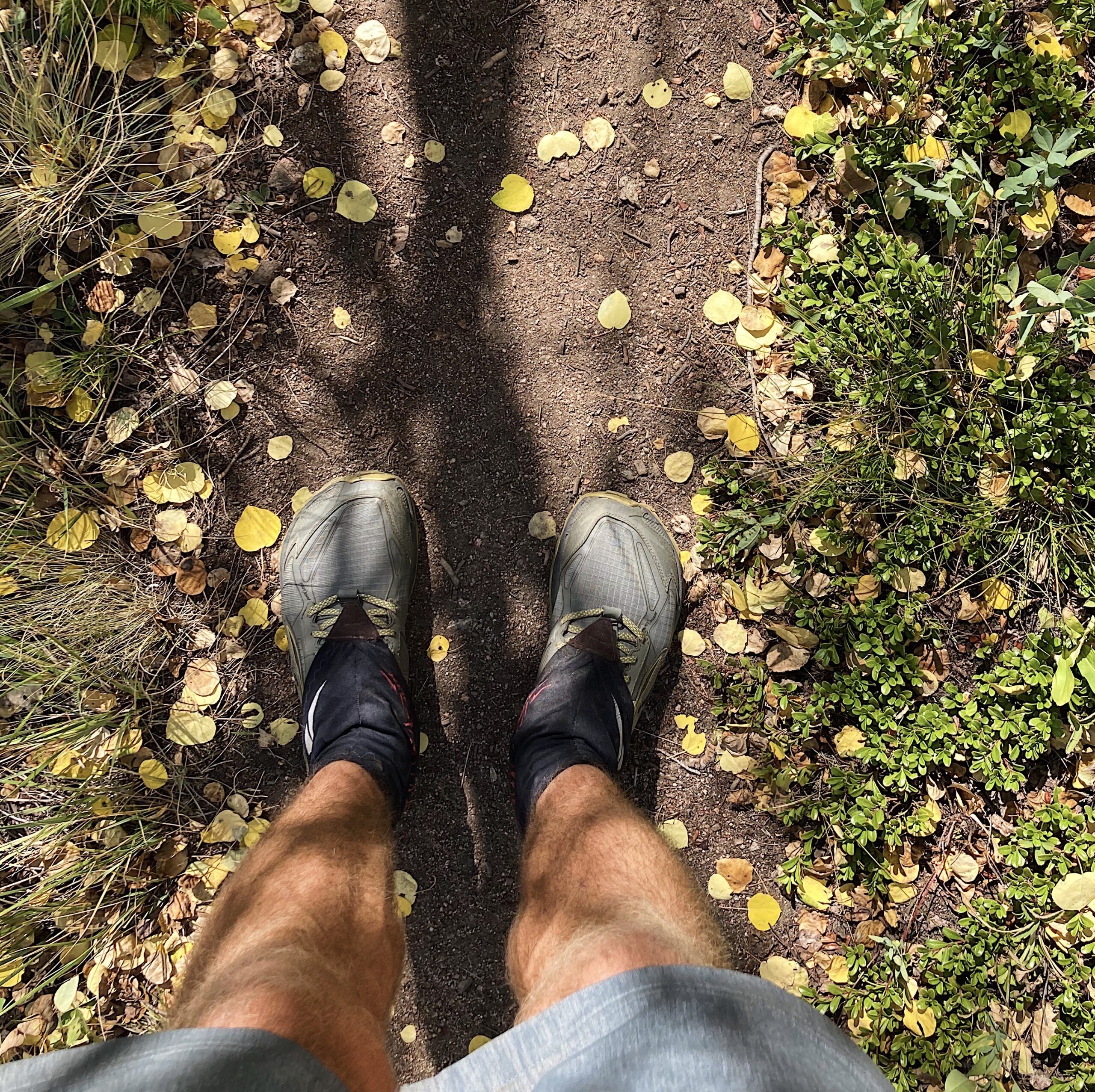
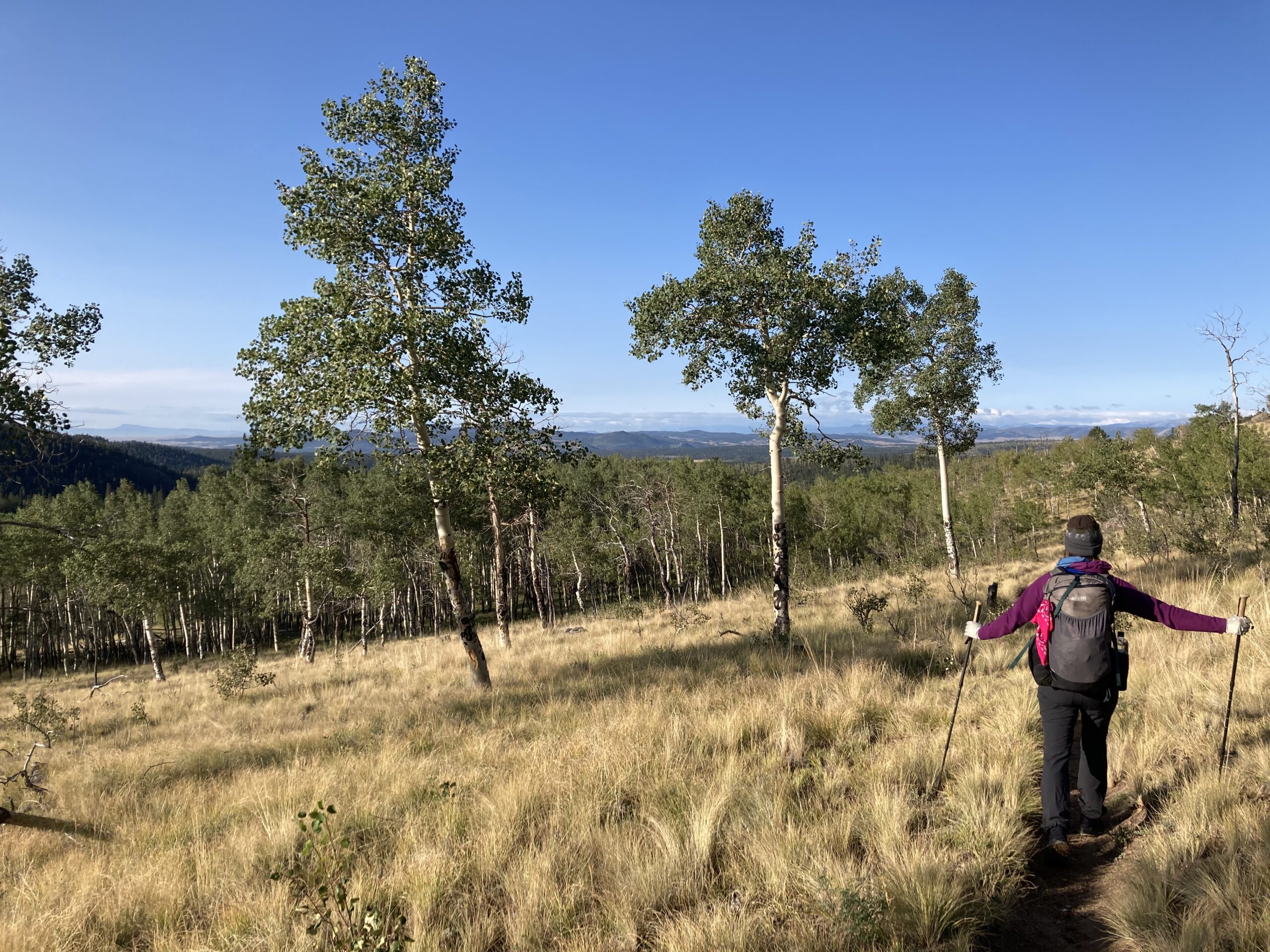
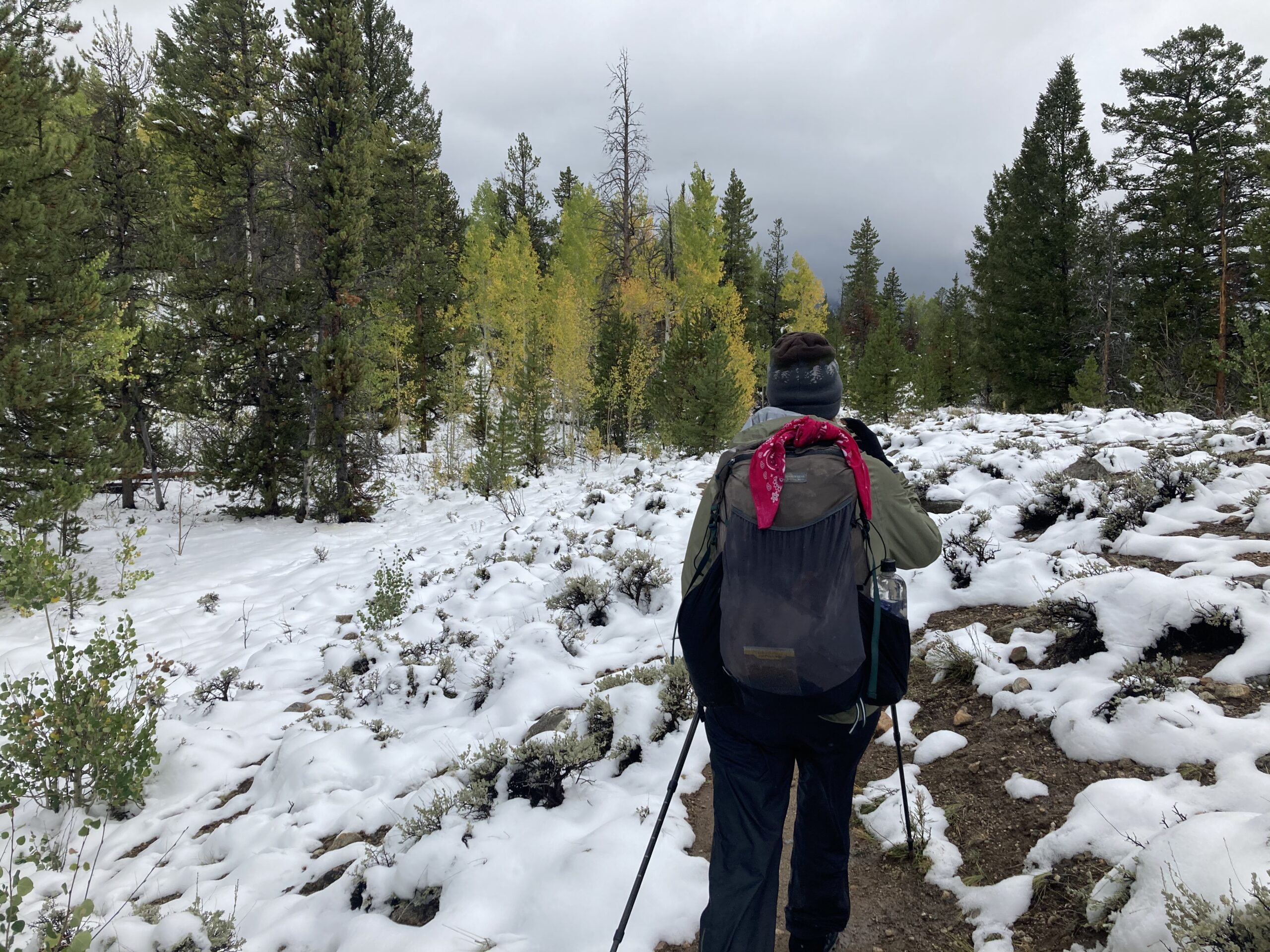
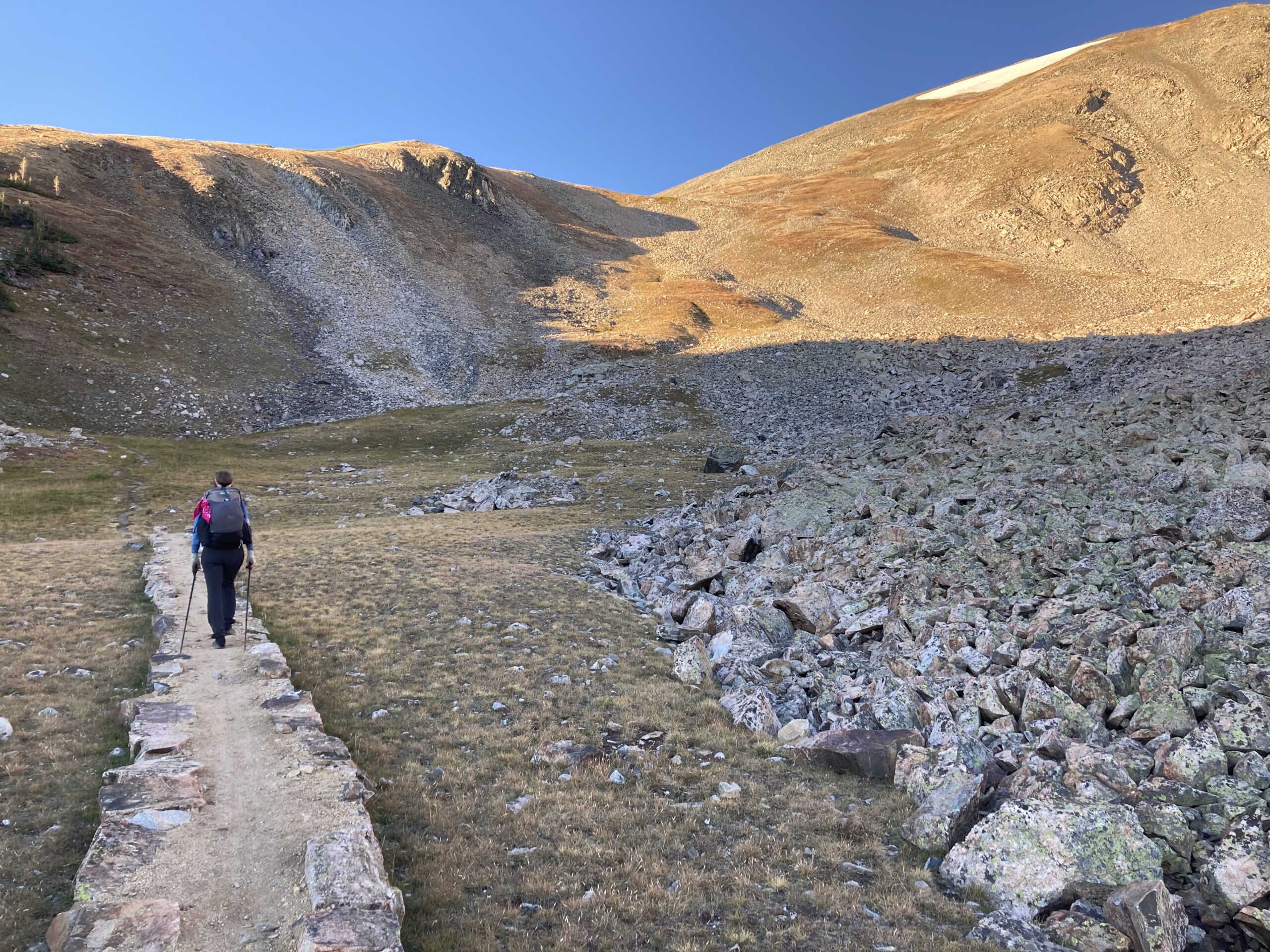
When we hiked the Colorado Trail, autumn was fully on its way. This made for some amazing fall colors. Specifically, in Silverton, CO the colors were magnificent. Because we were nearing the end of our journey and the colors were so stunning, this area stands out as a highlight of the trip.
Challenging Moments
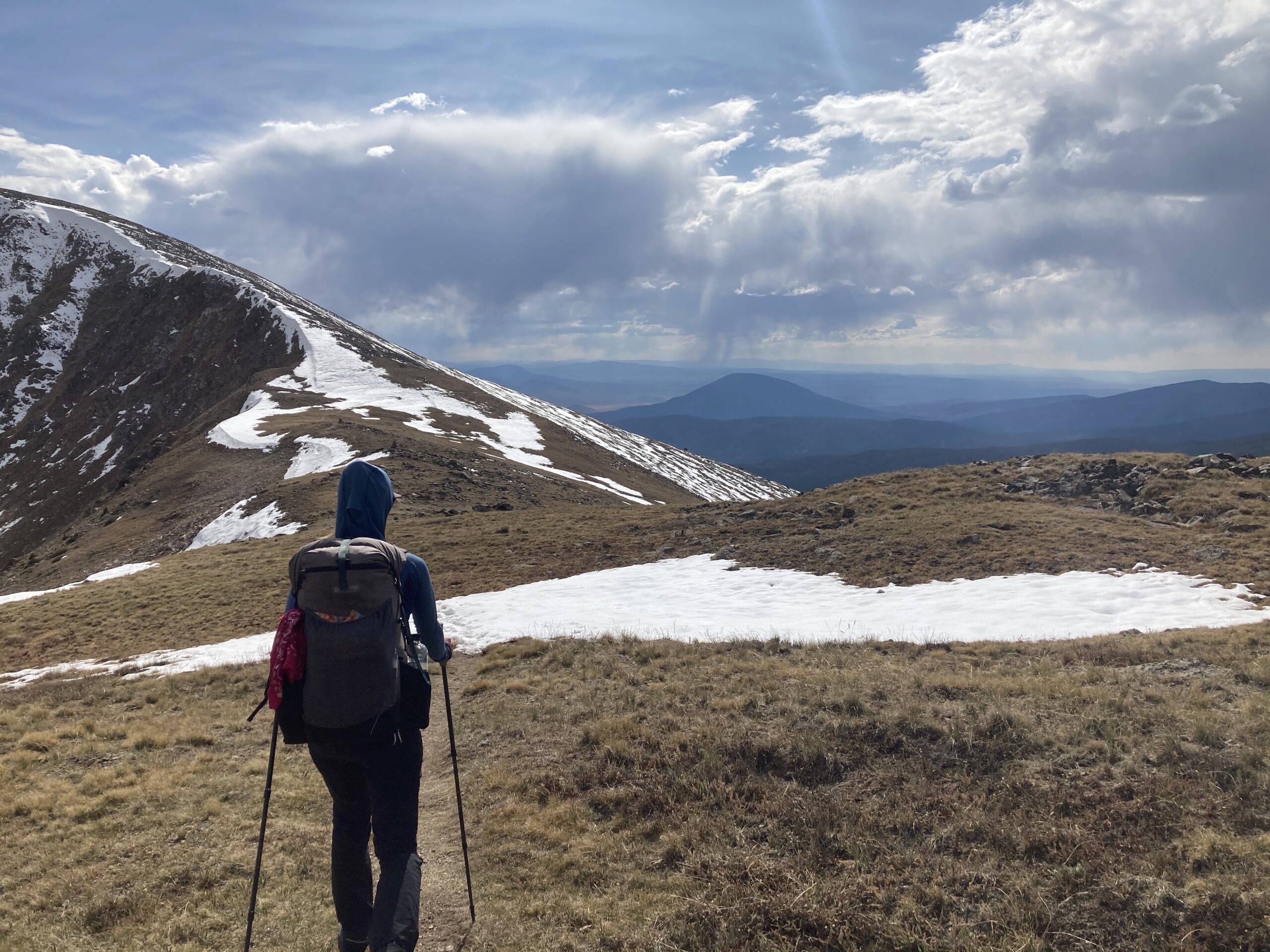
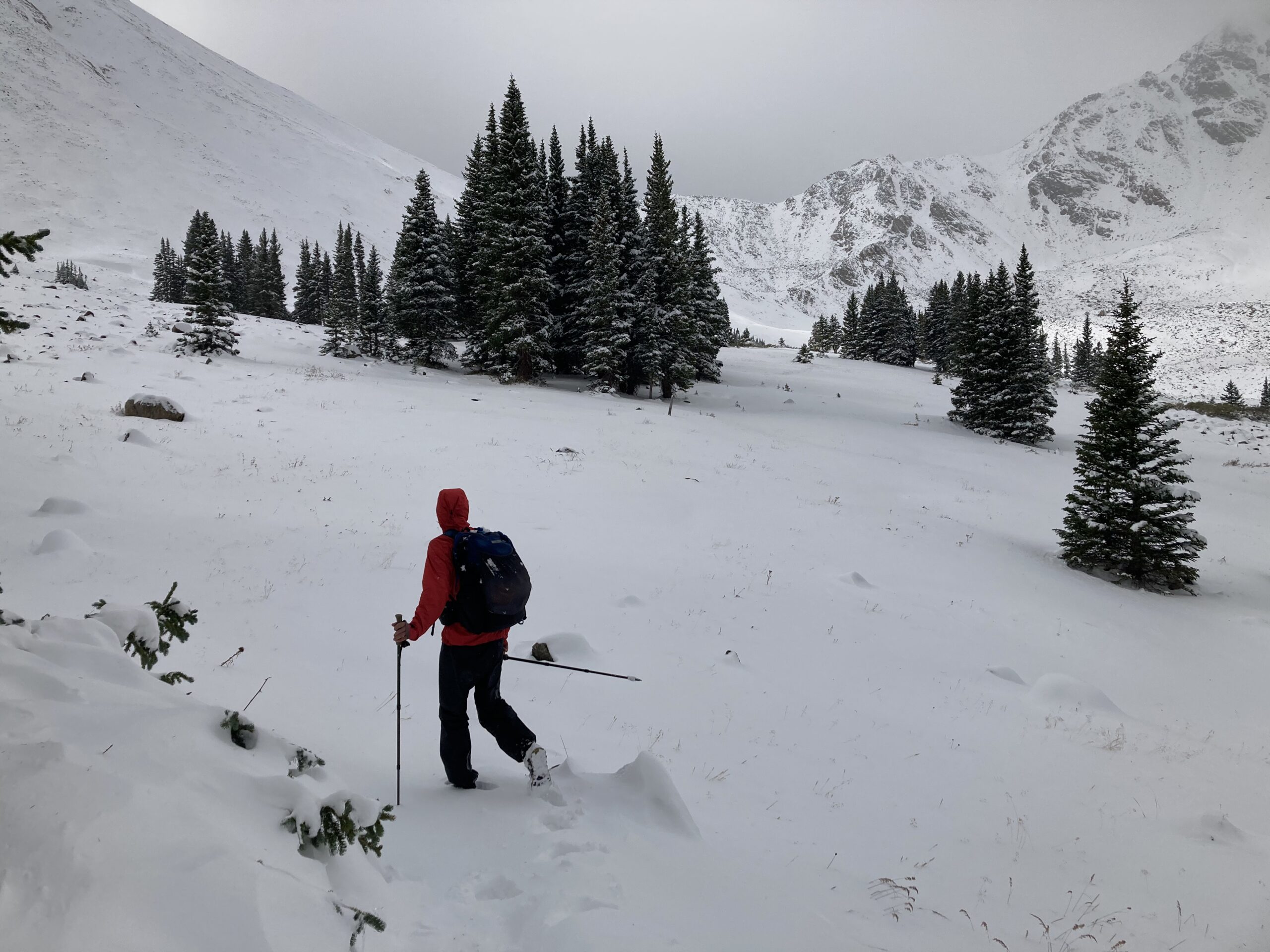
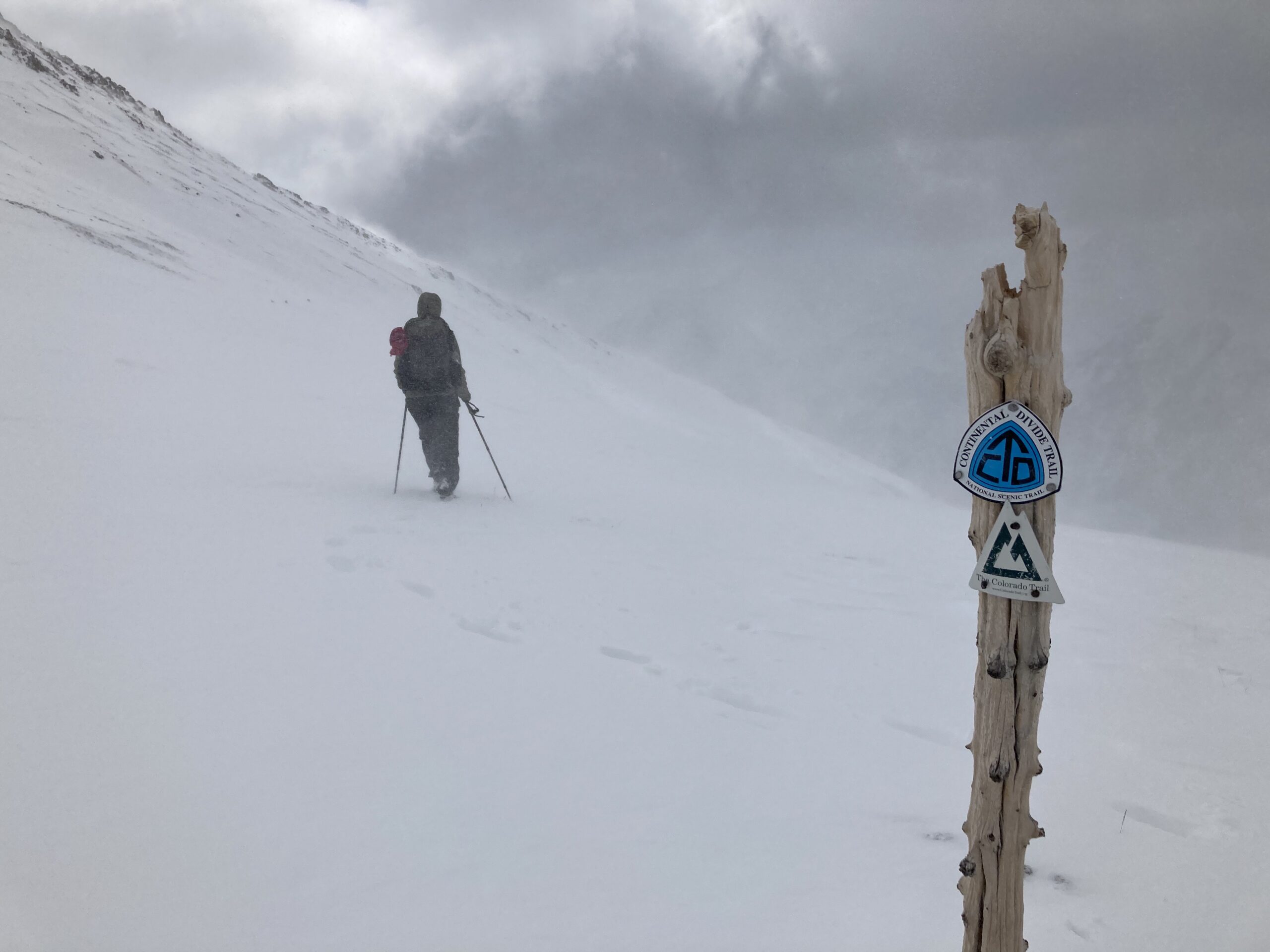
Snow in the Collegiates
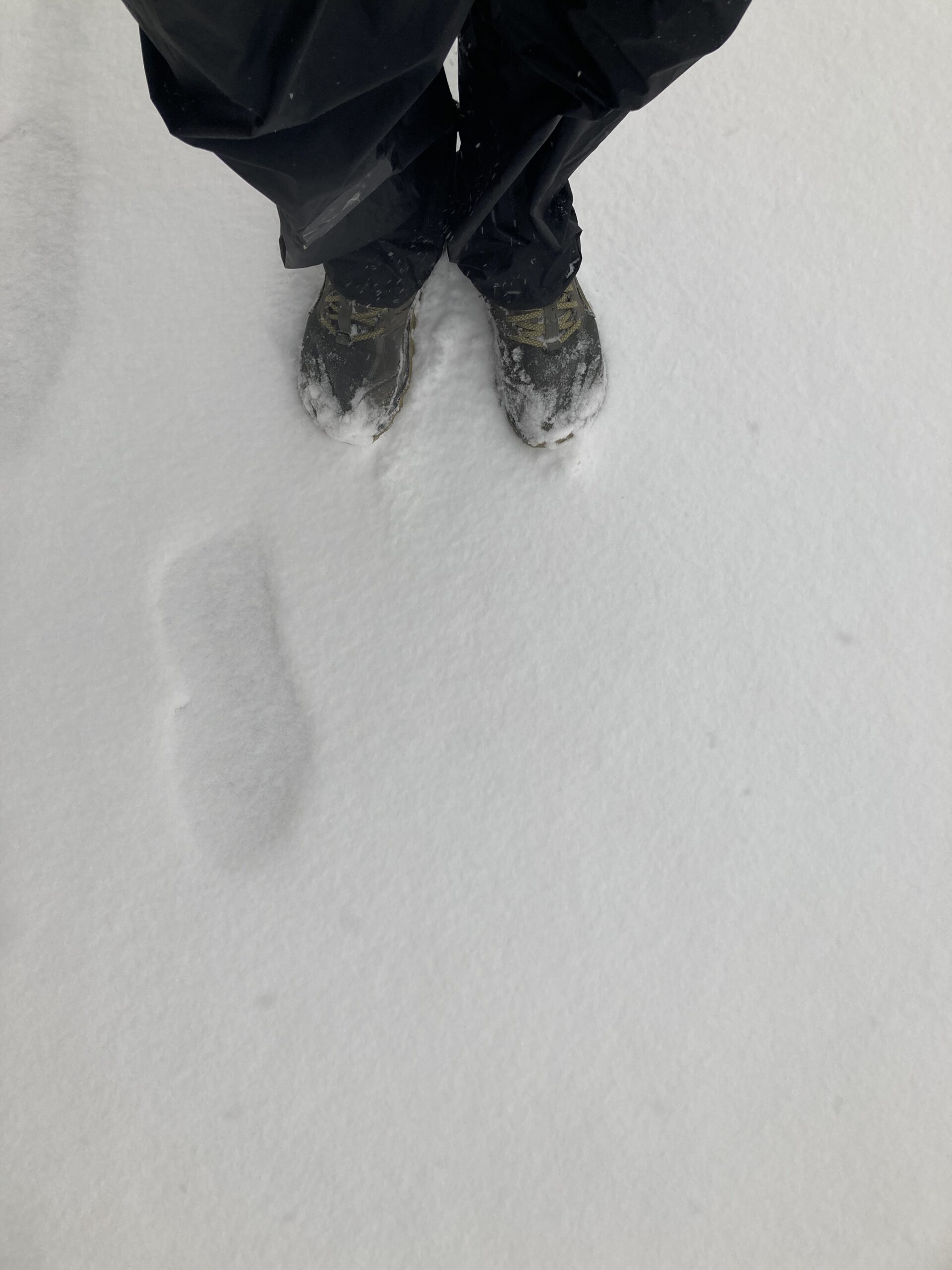
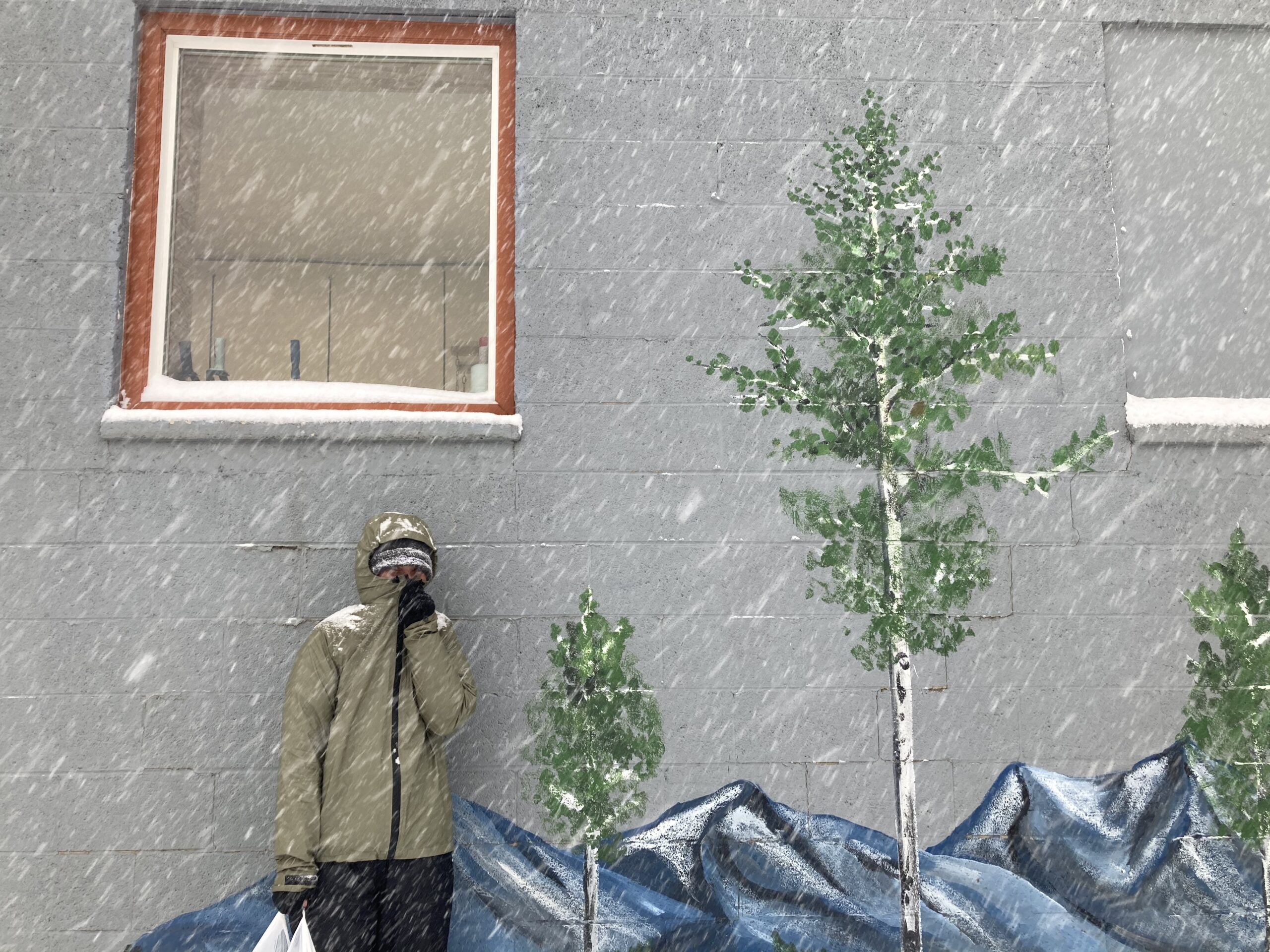
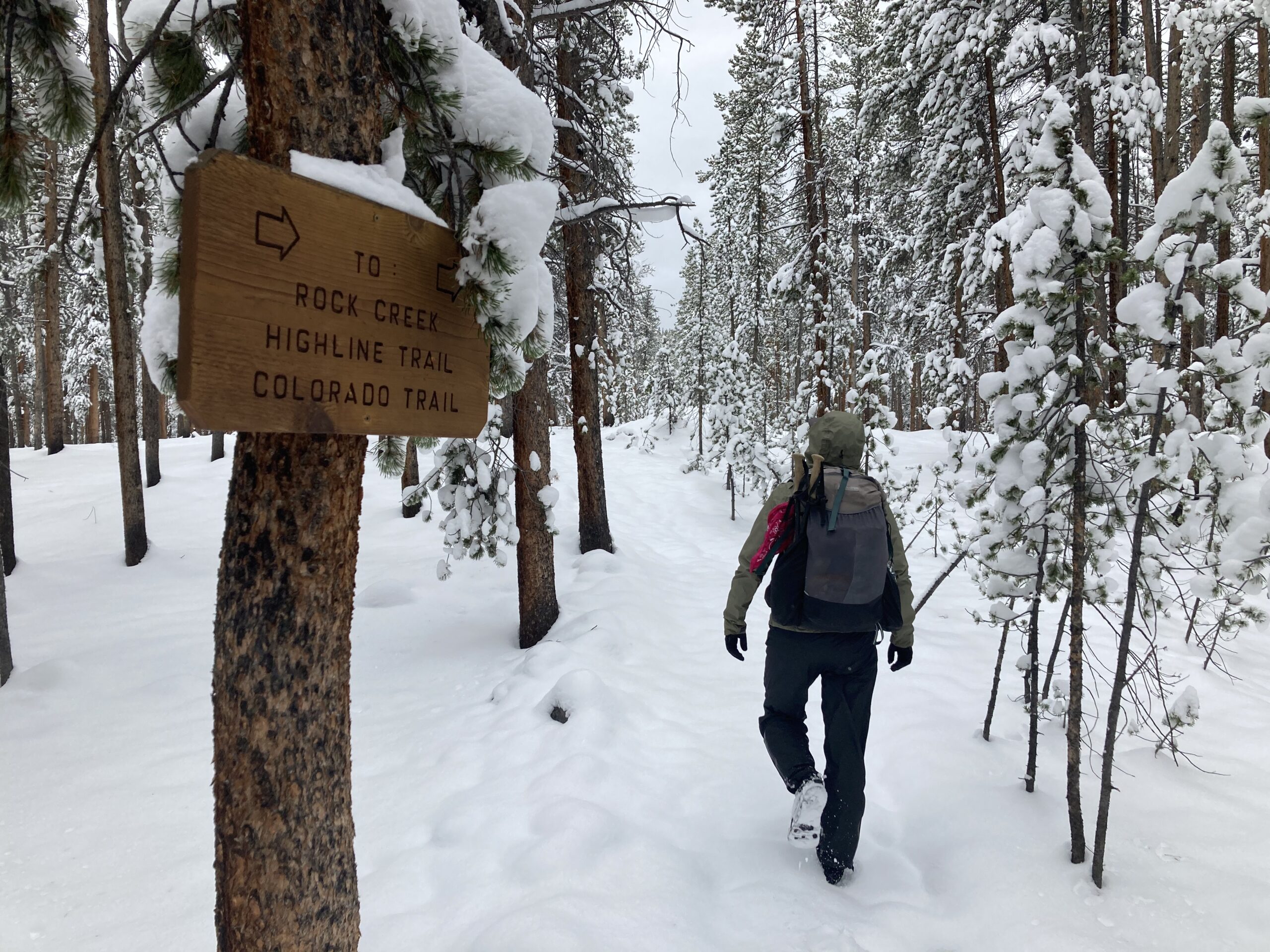
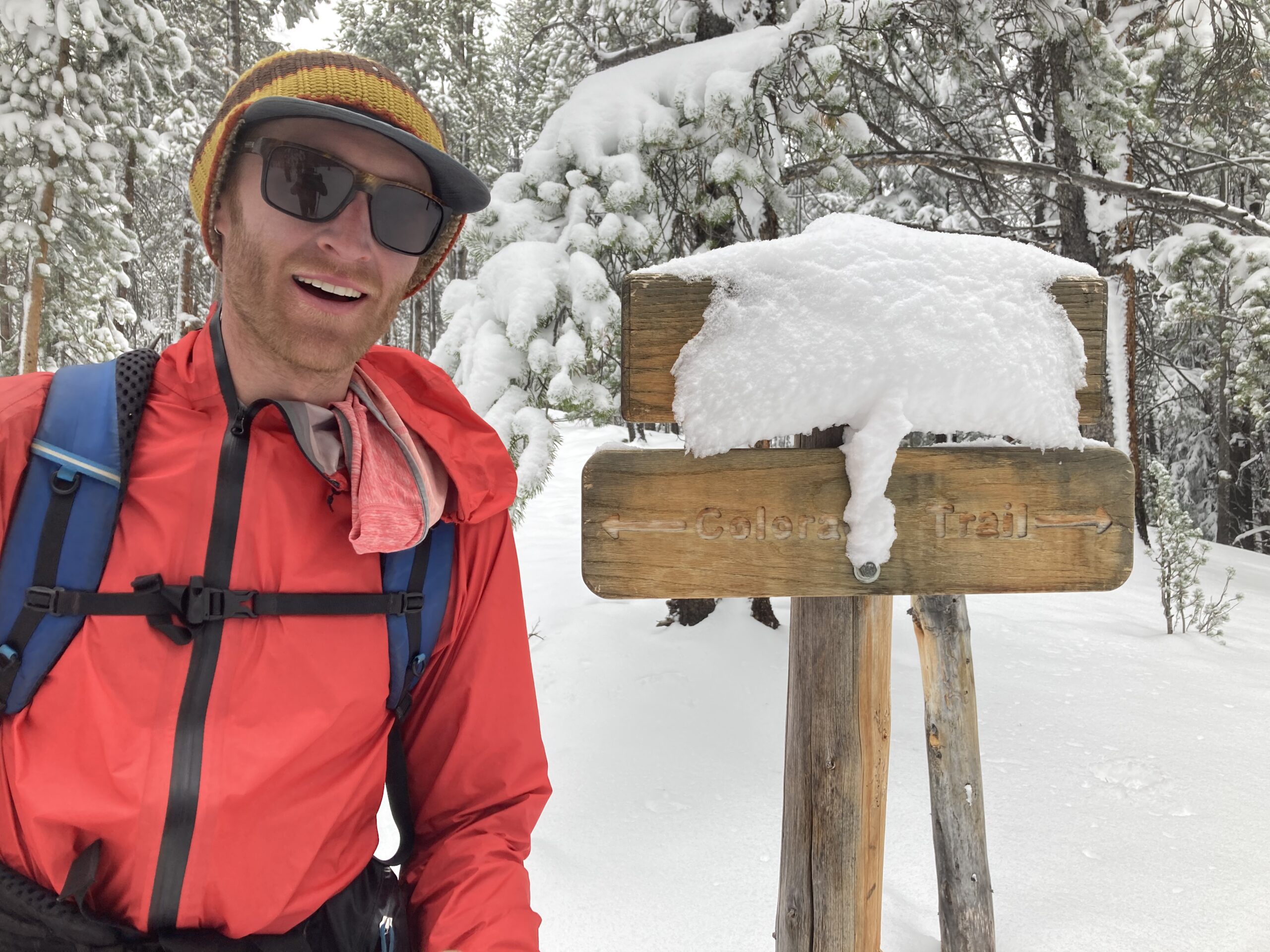
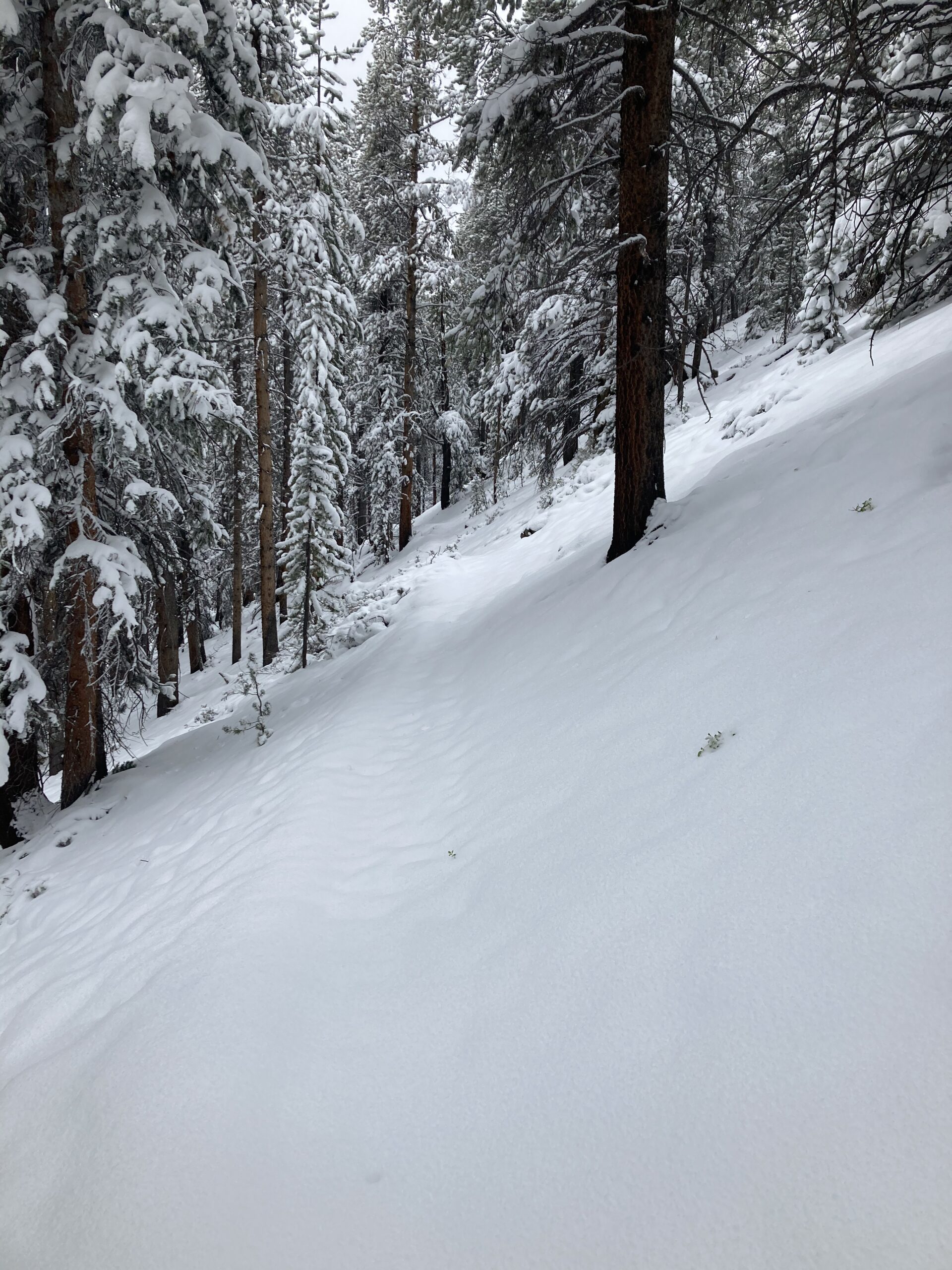
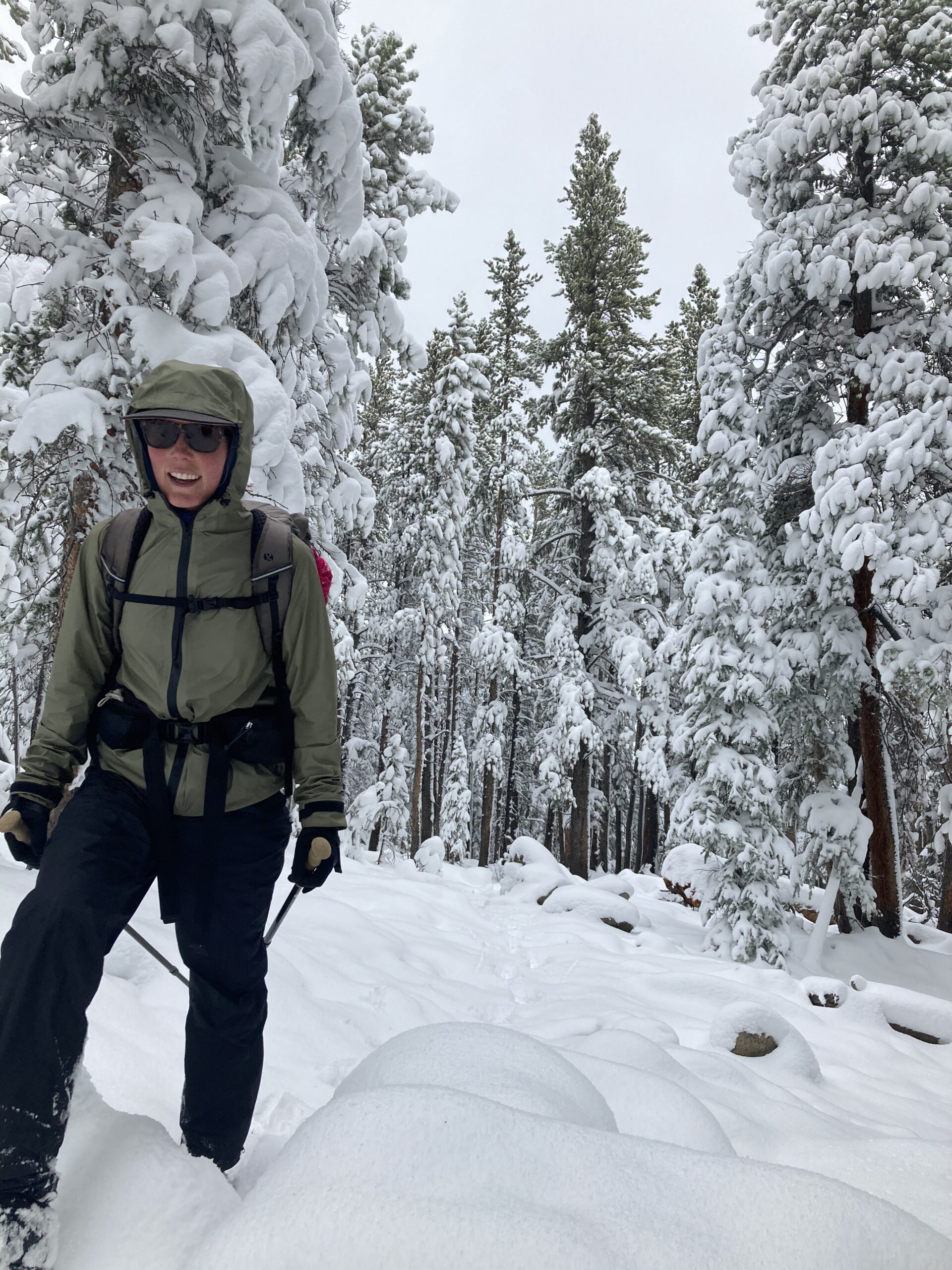
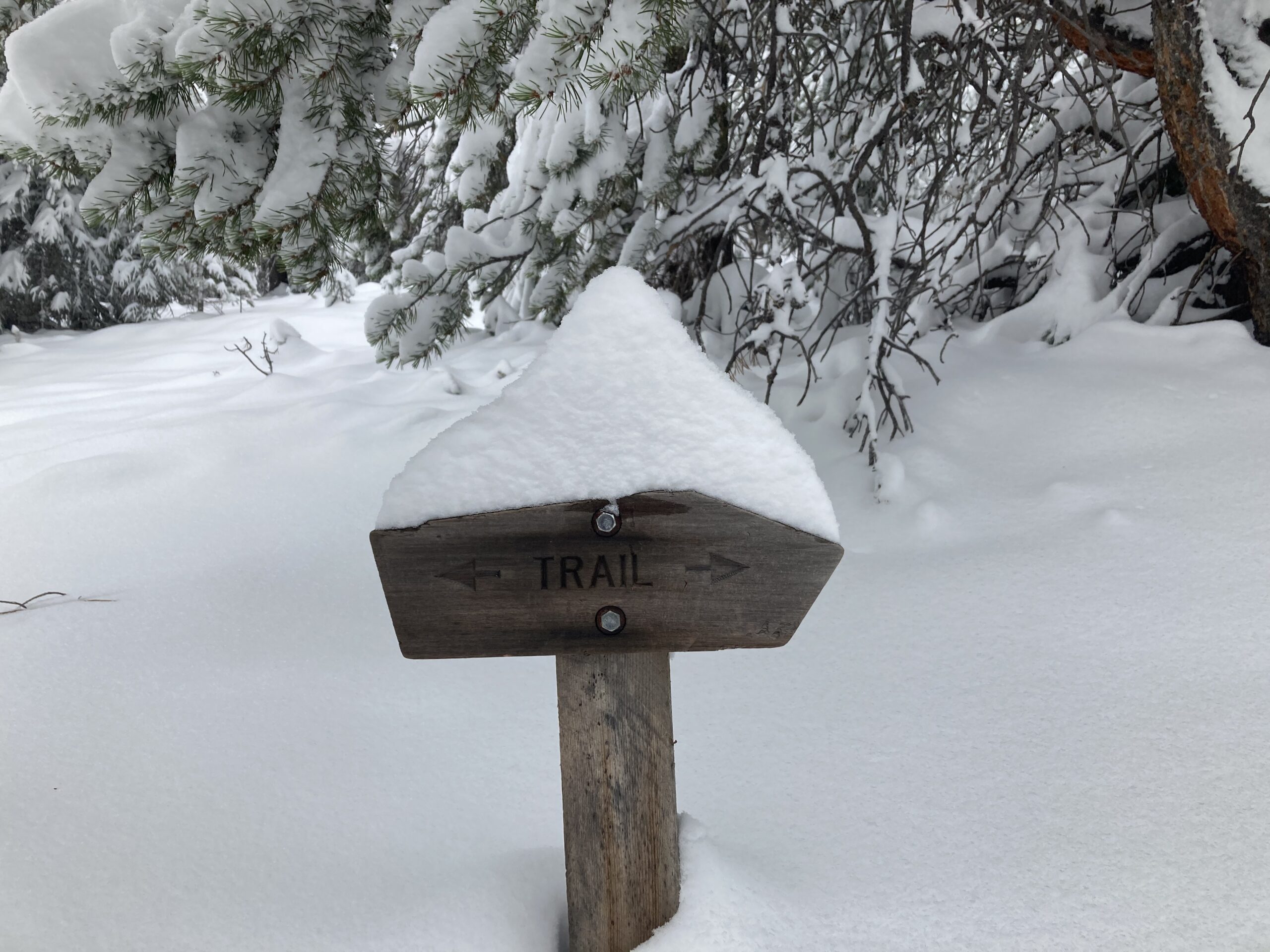
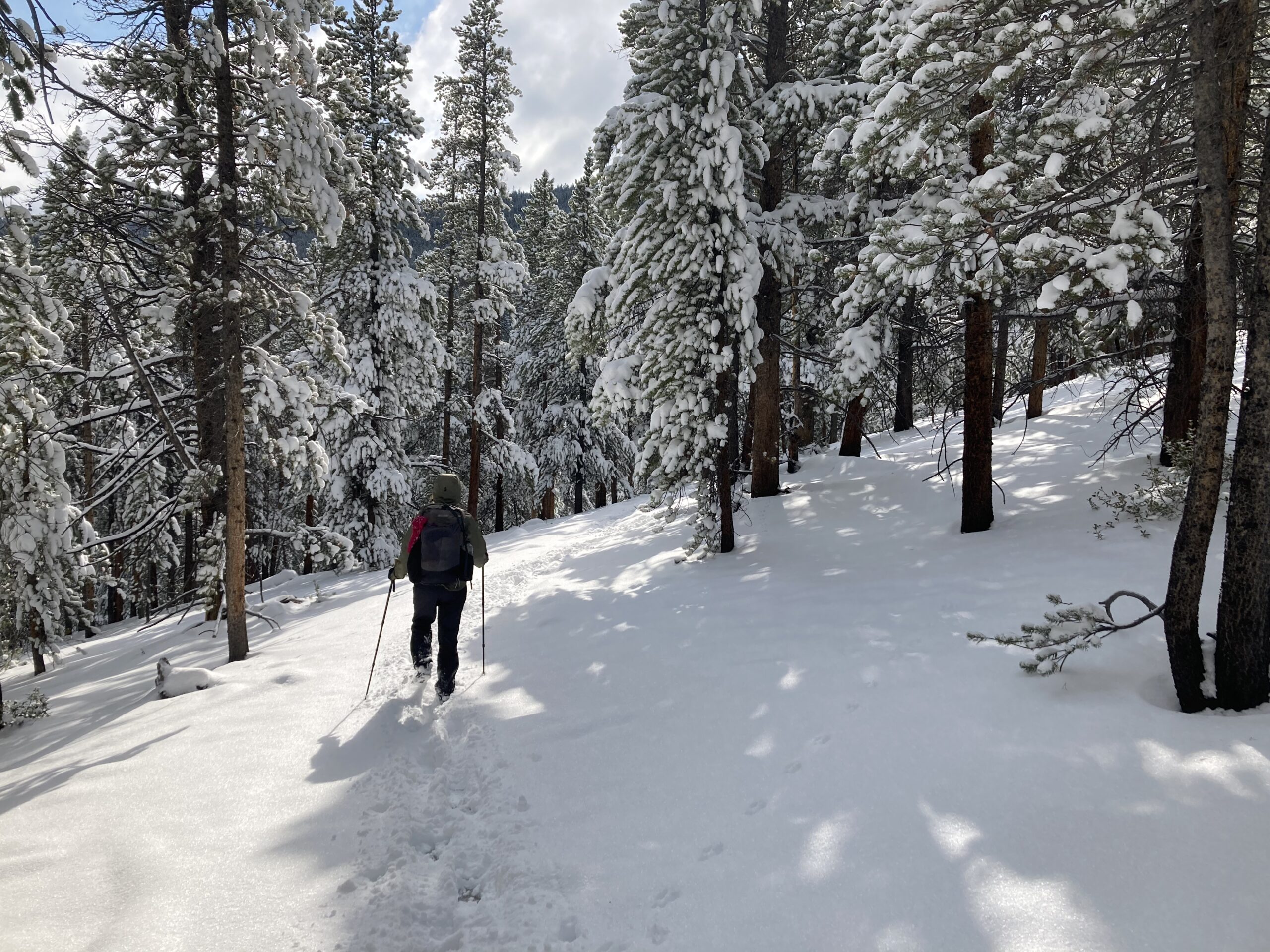
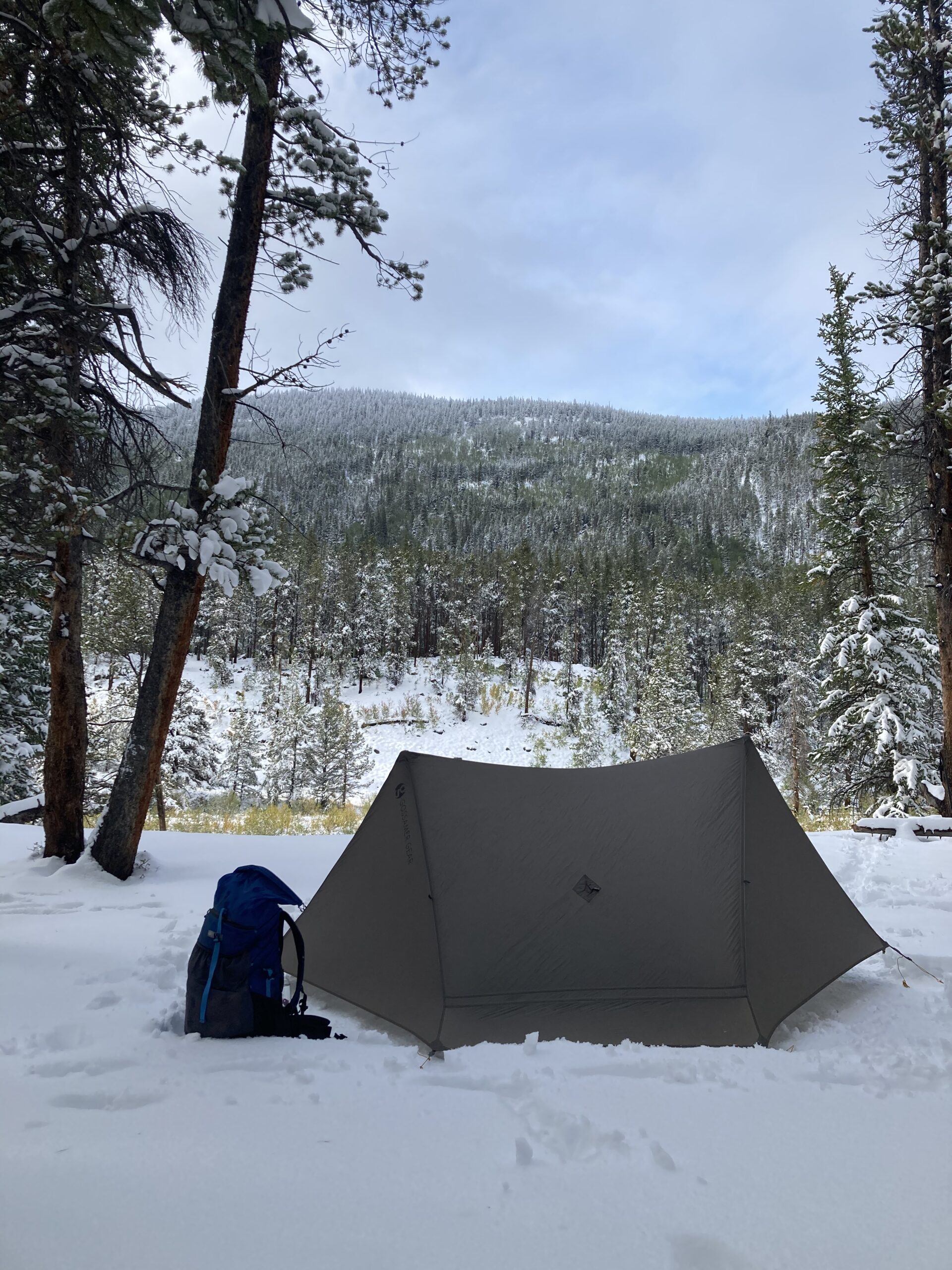
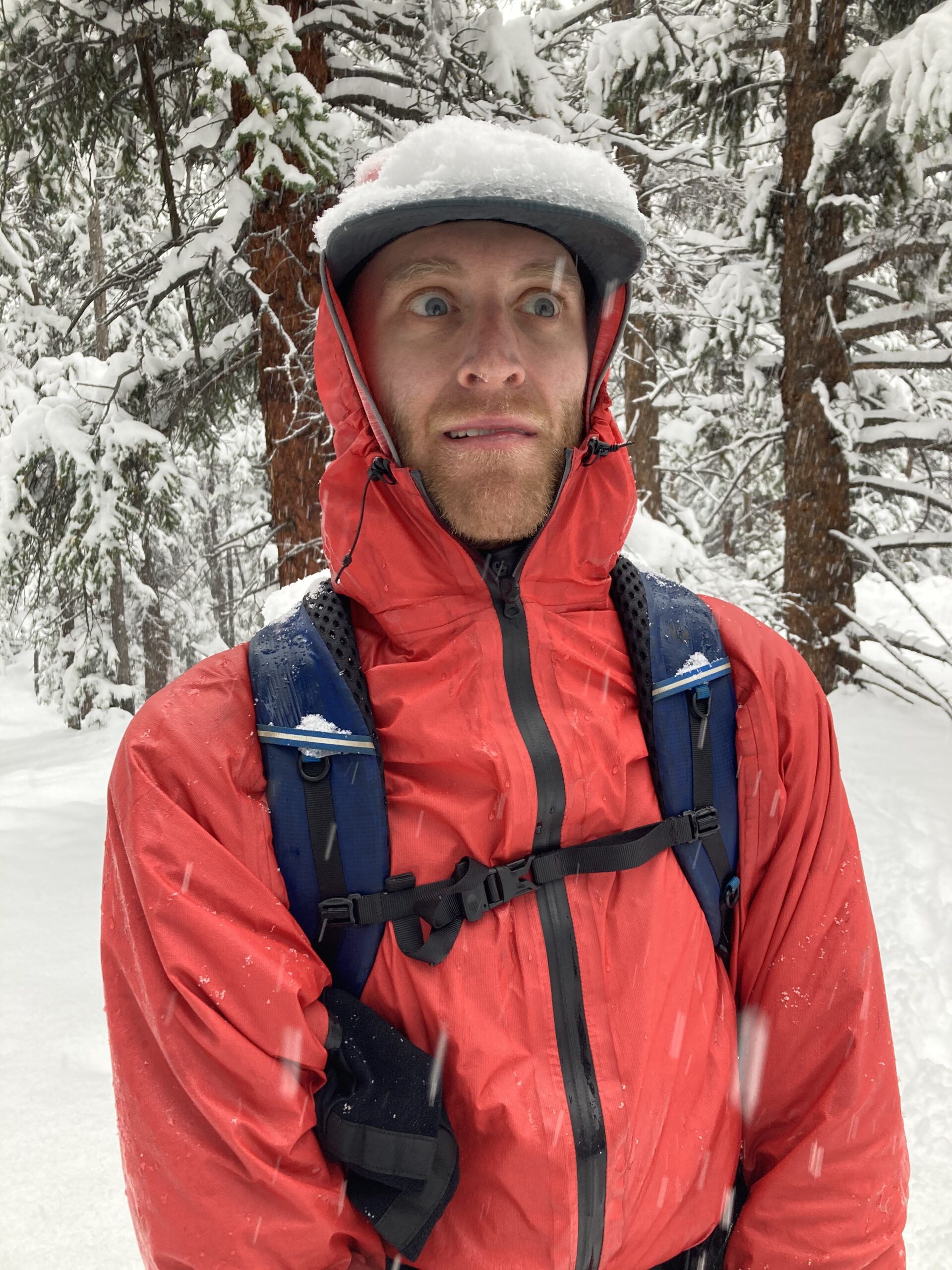
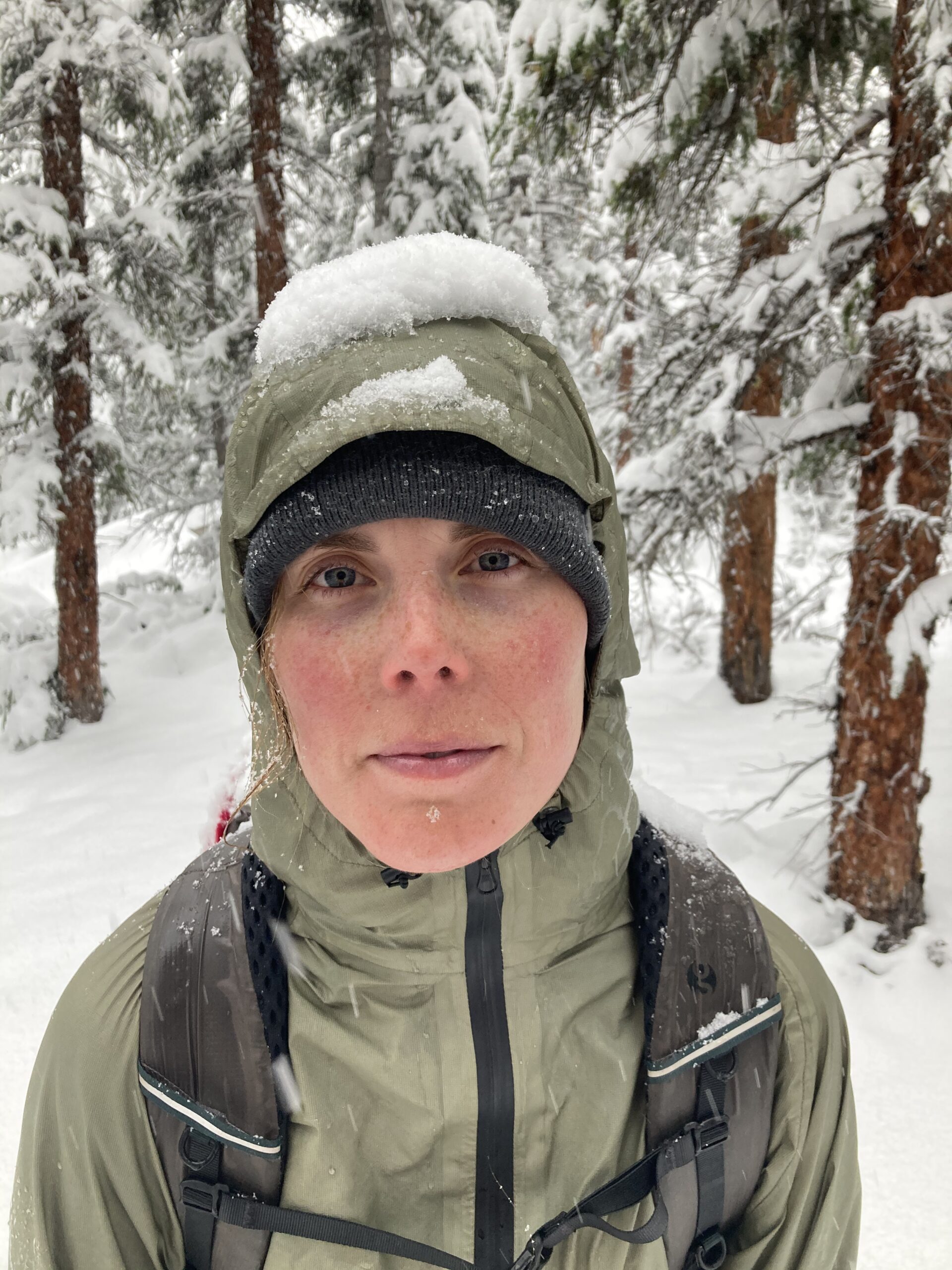
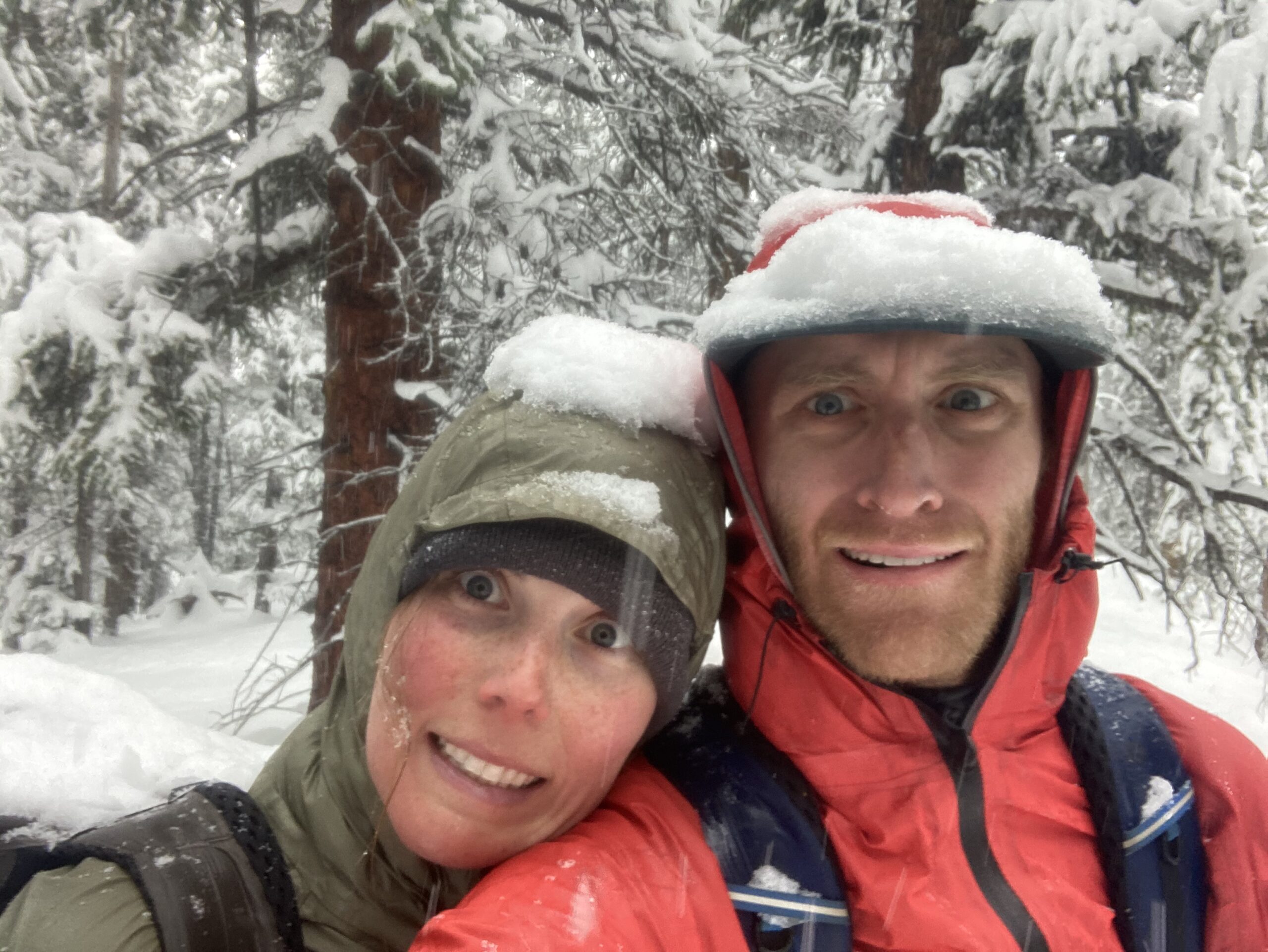
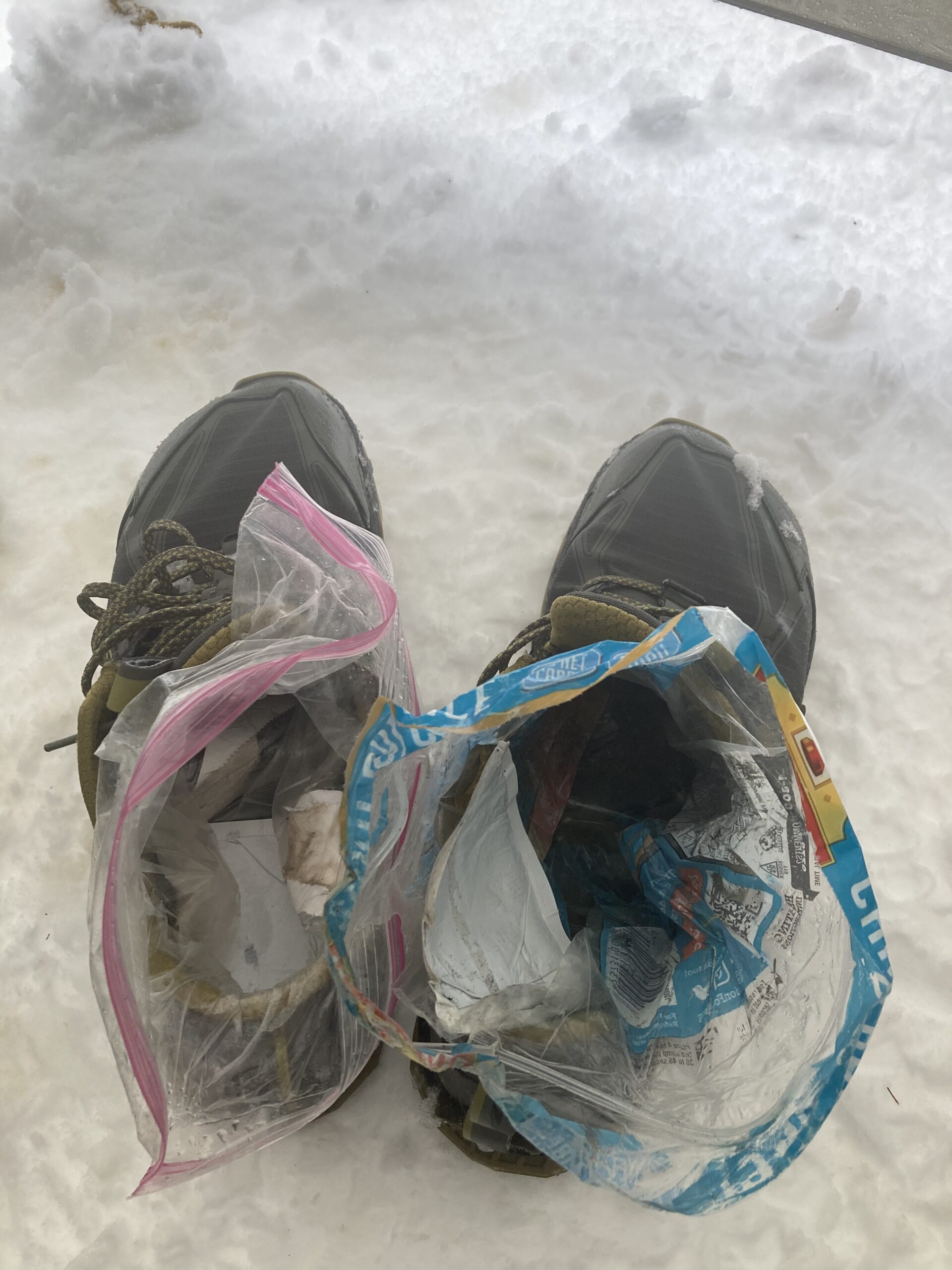
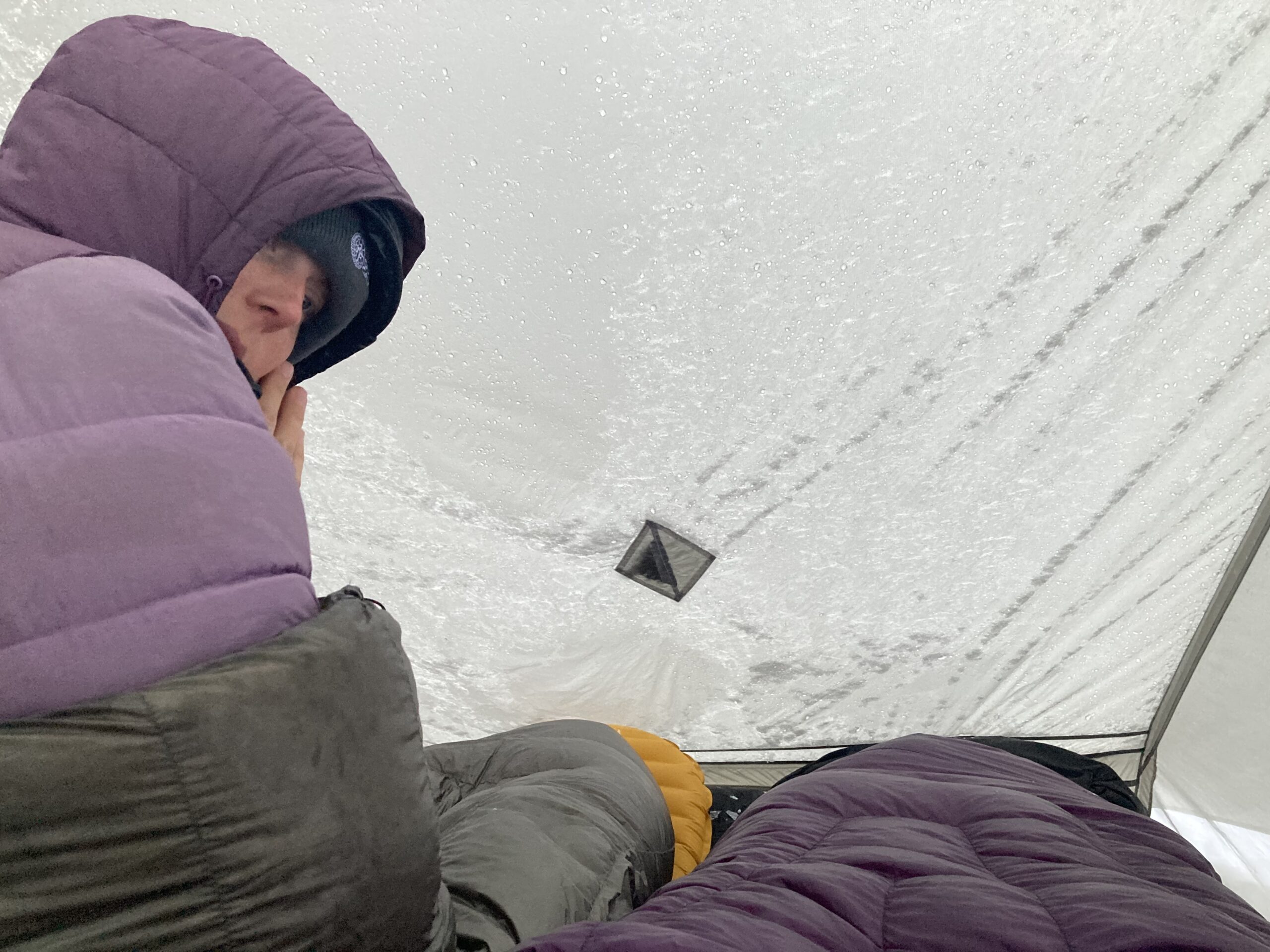
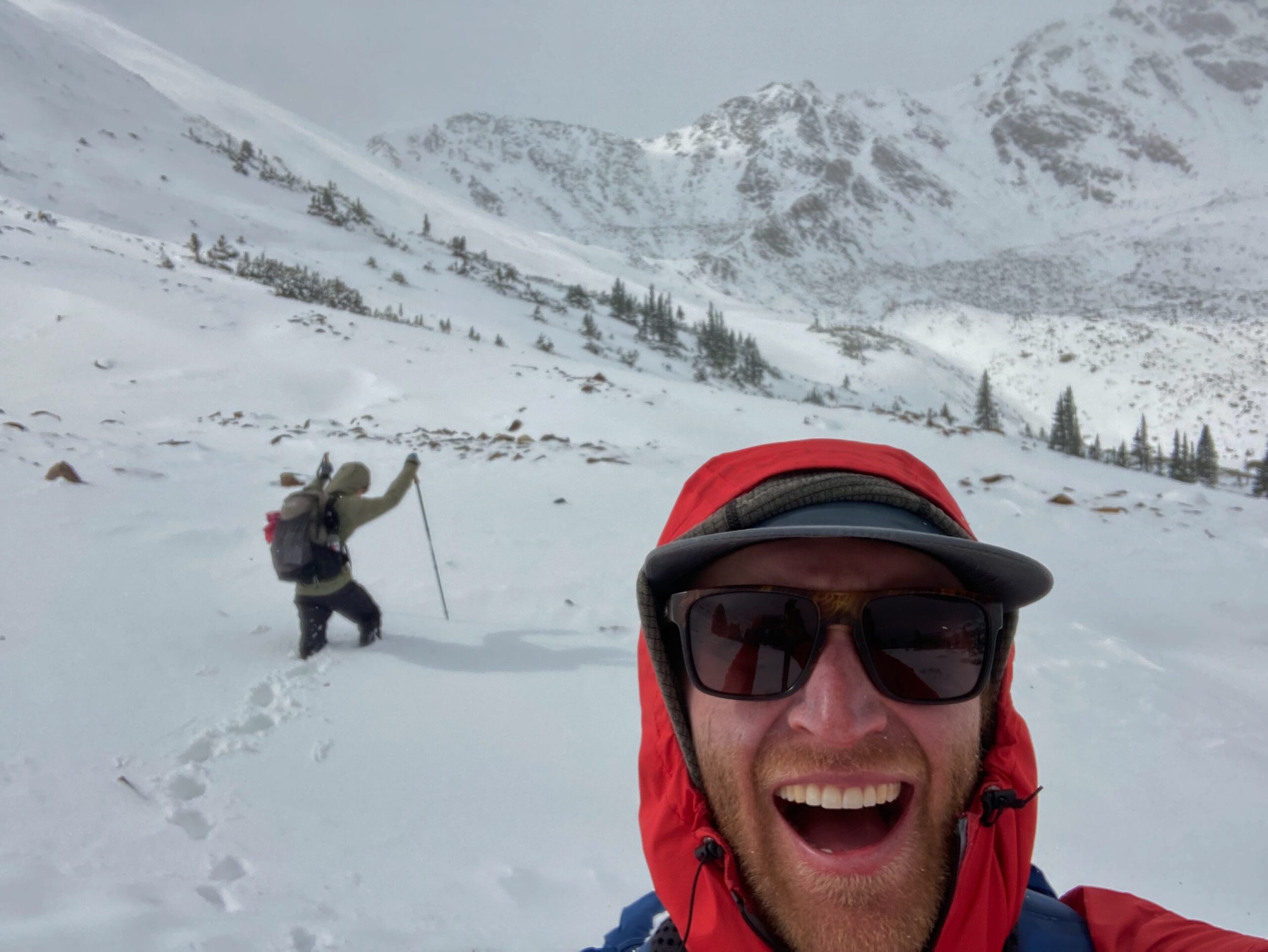
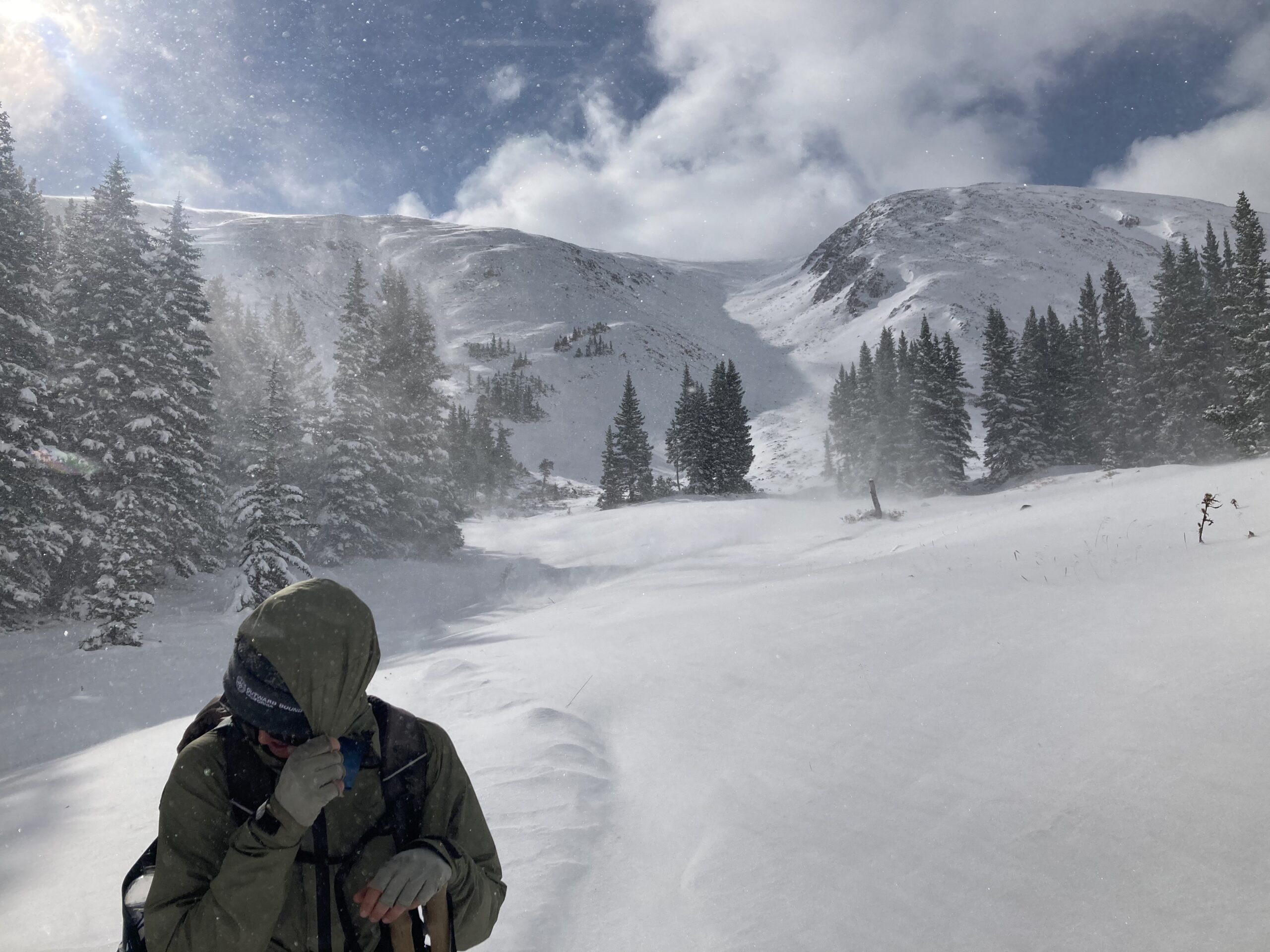
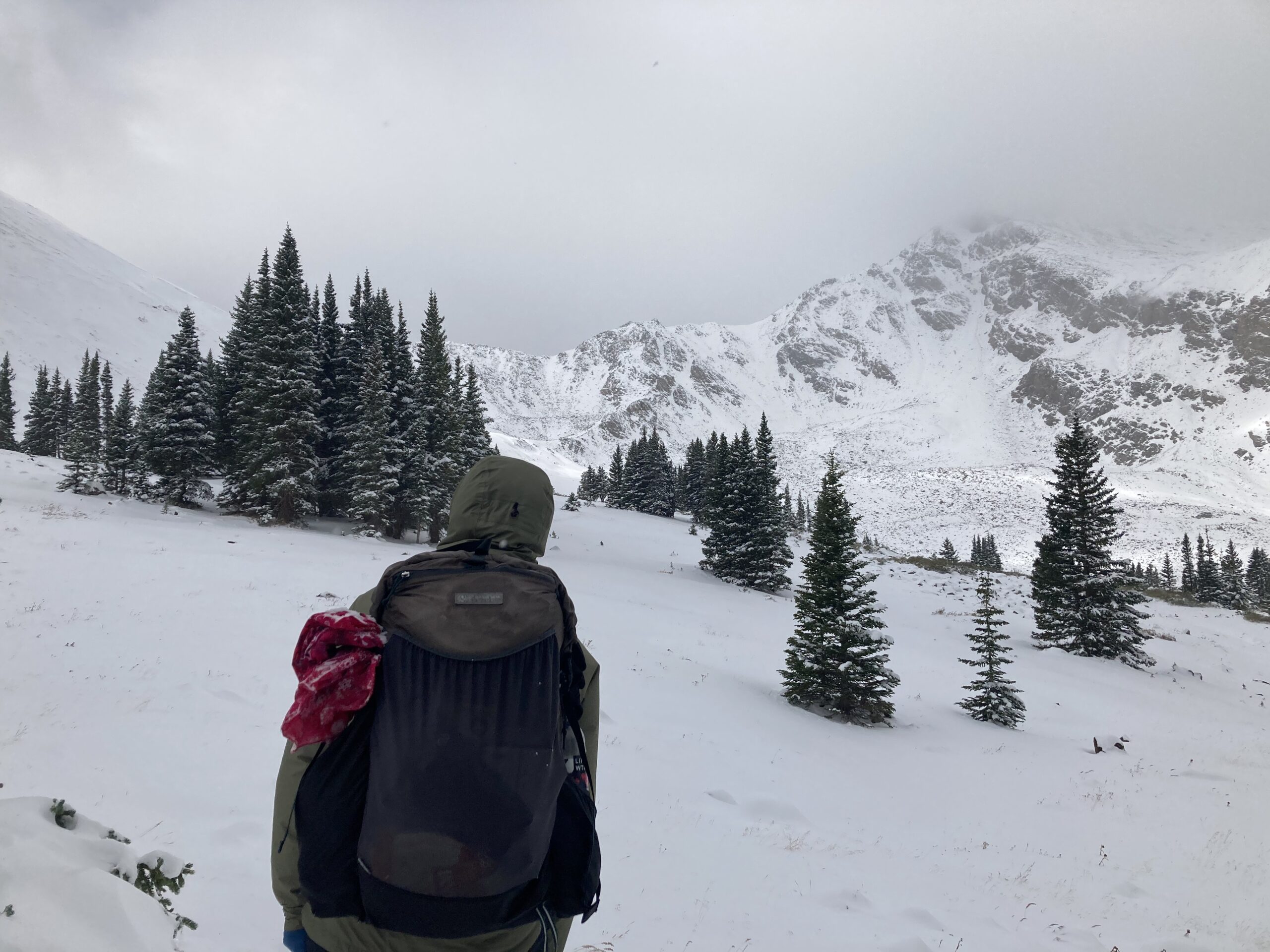
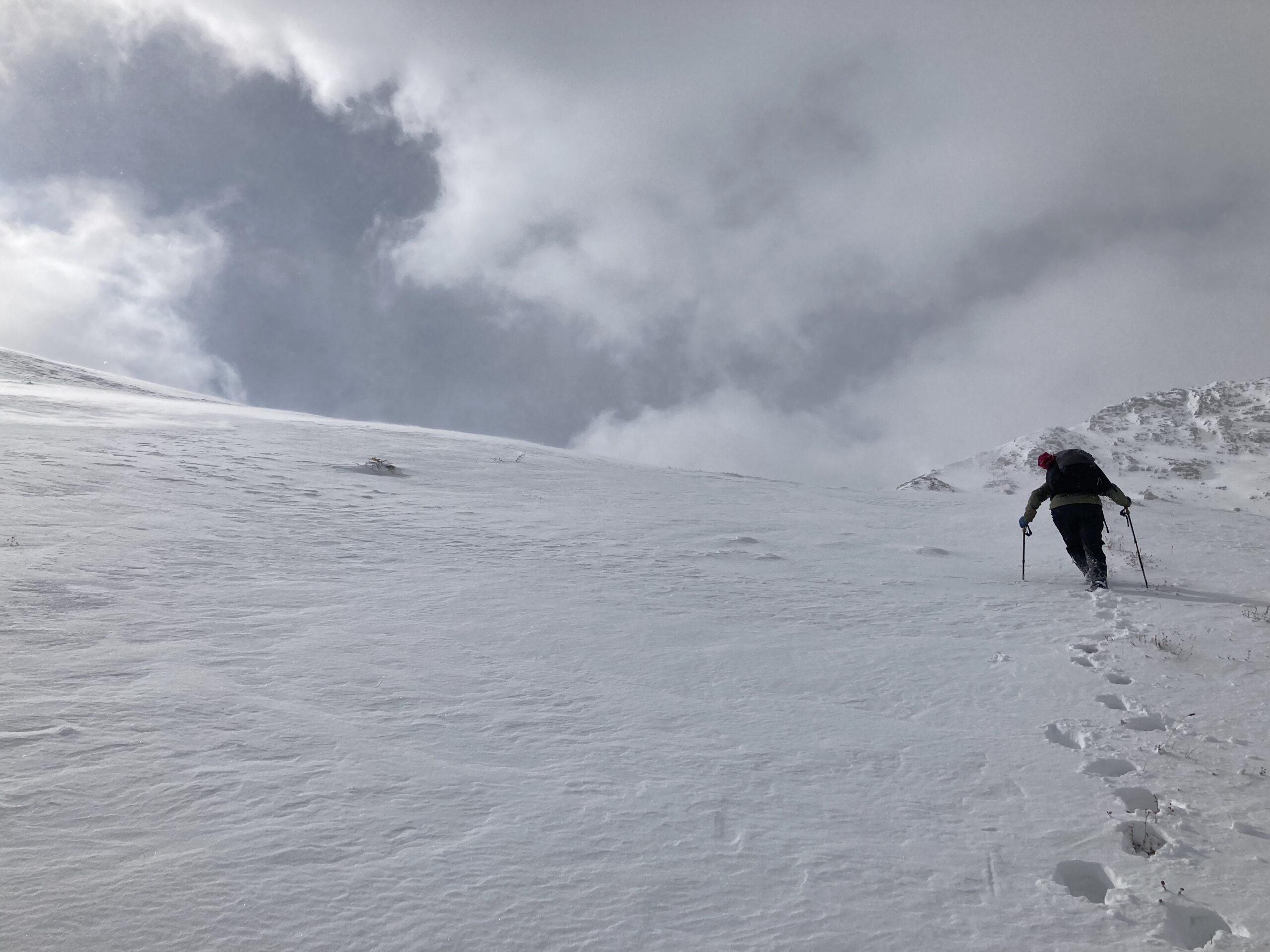
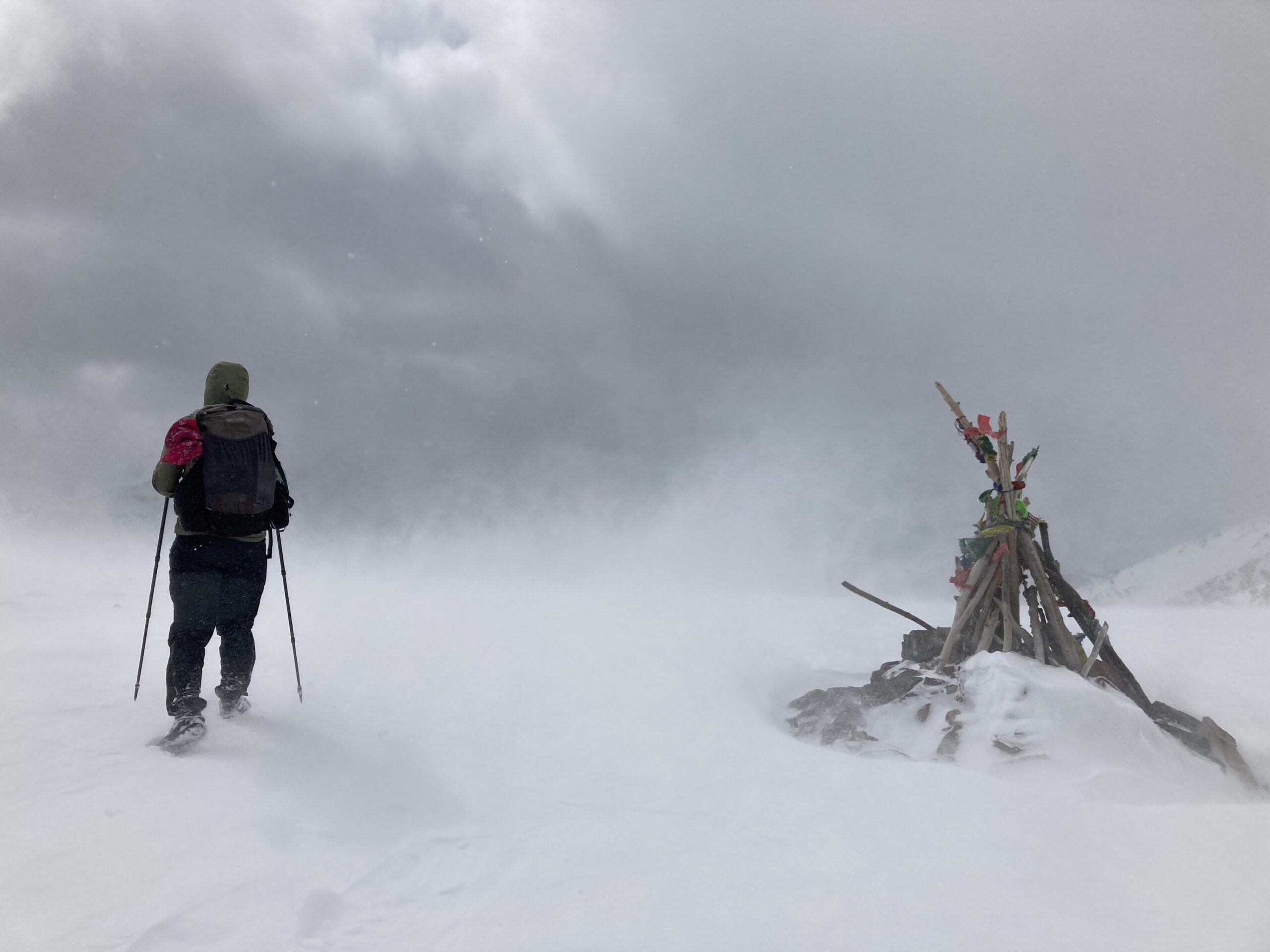
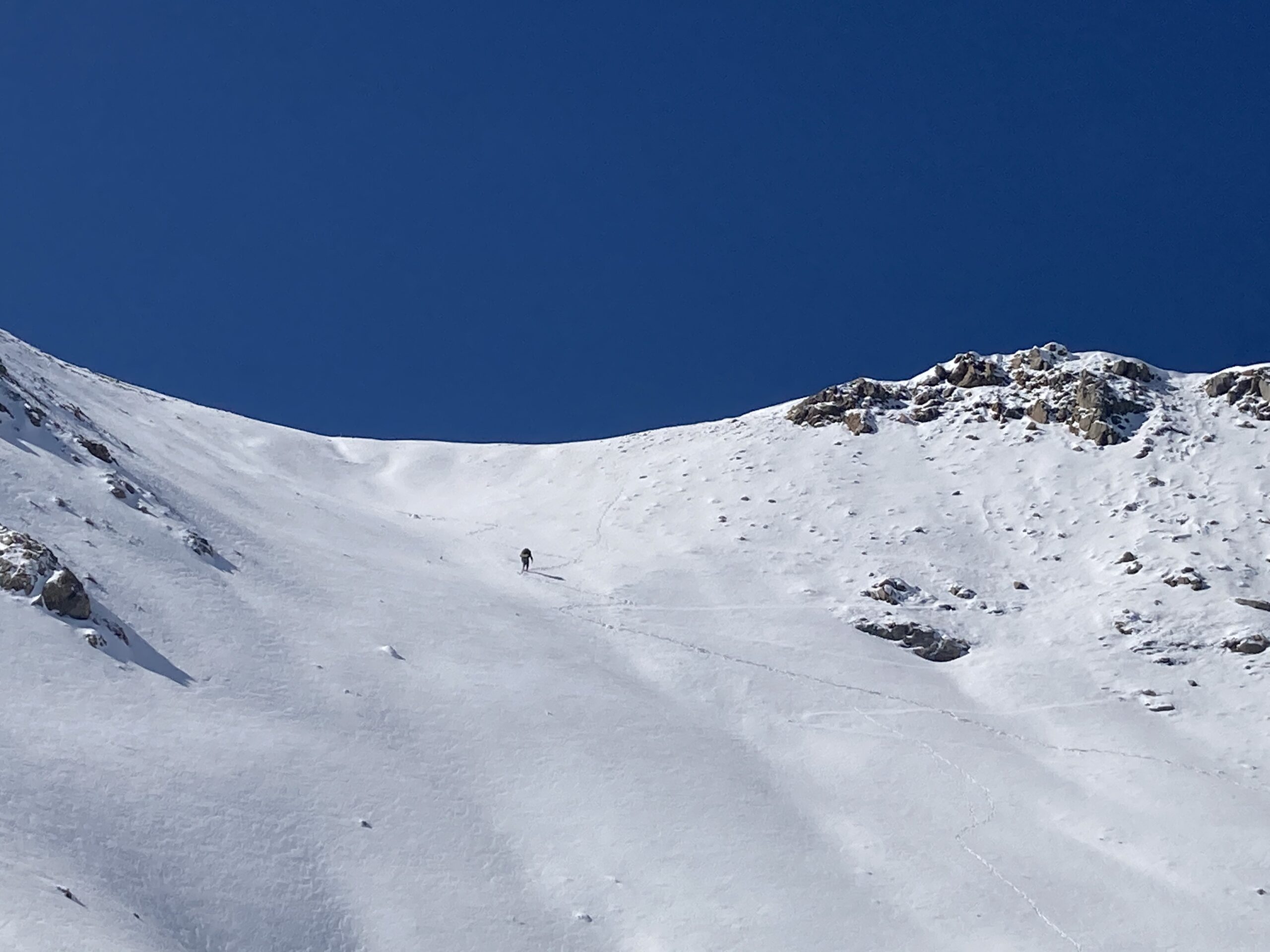
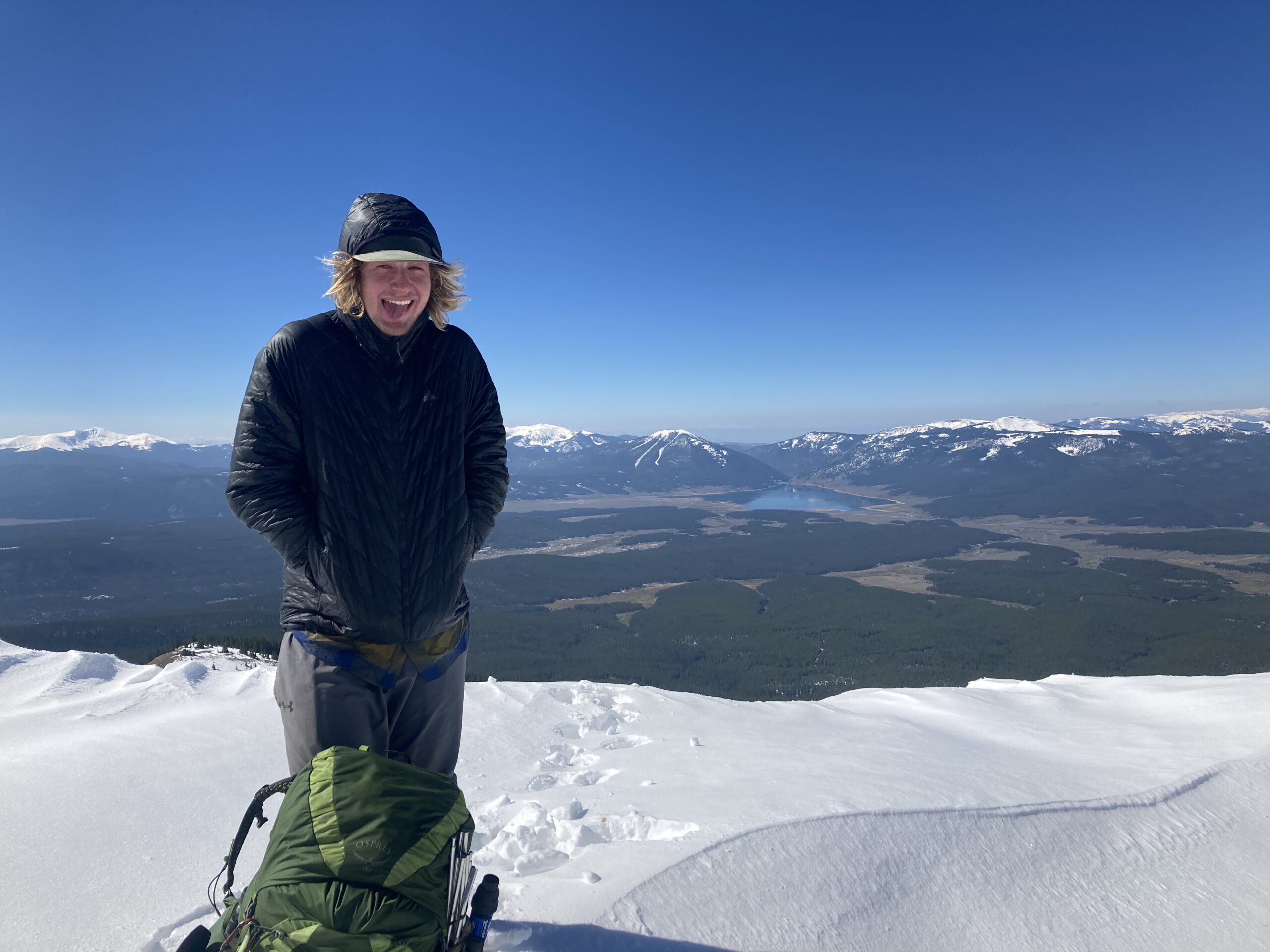
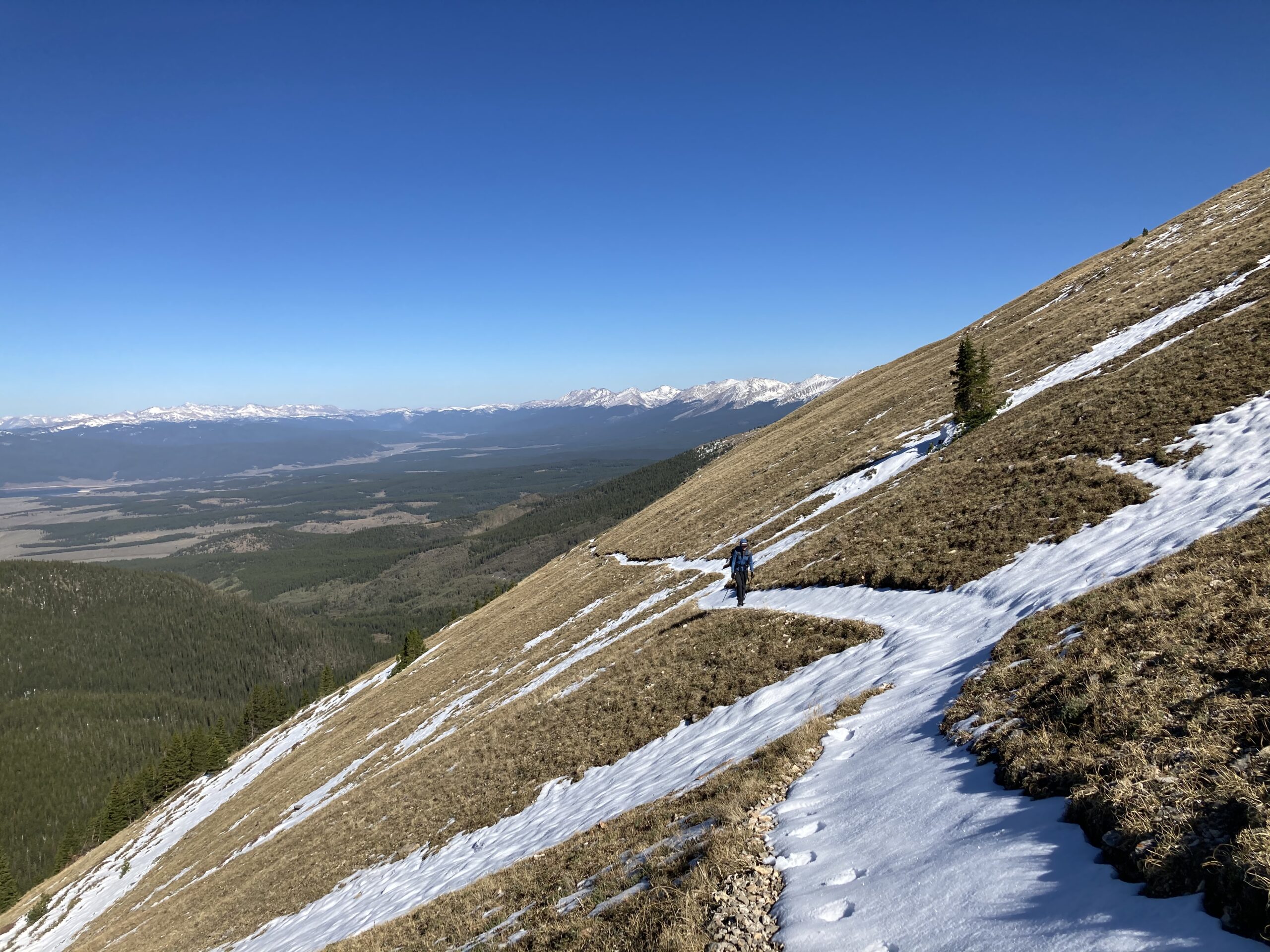
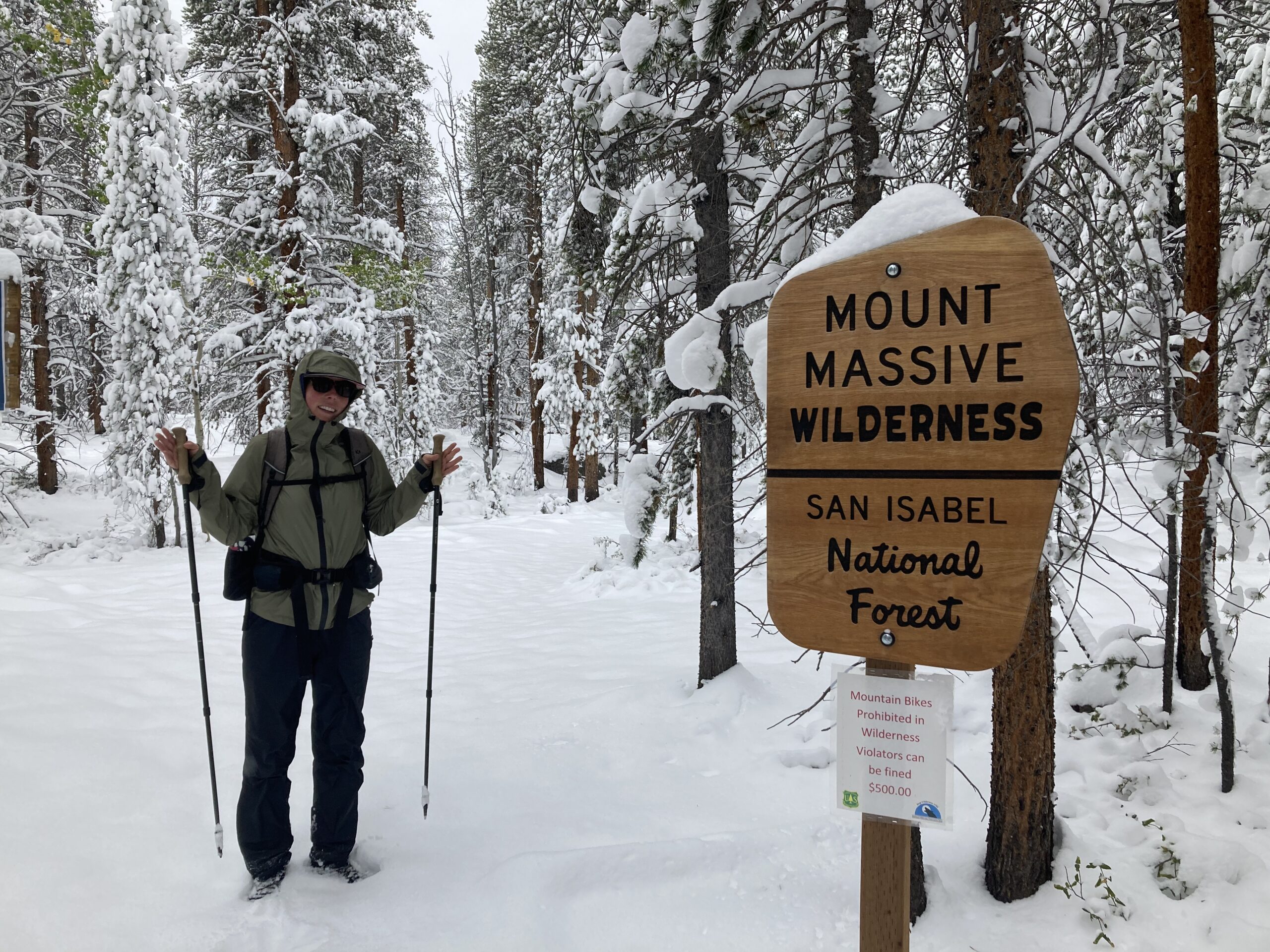
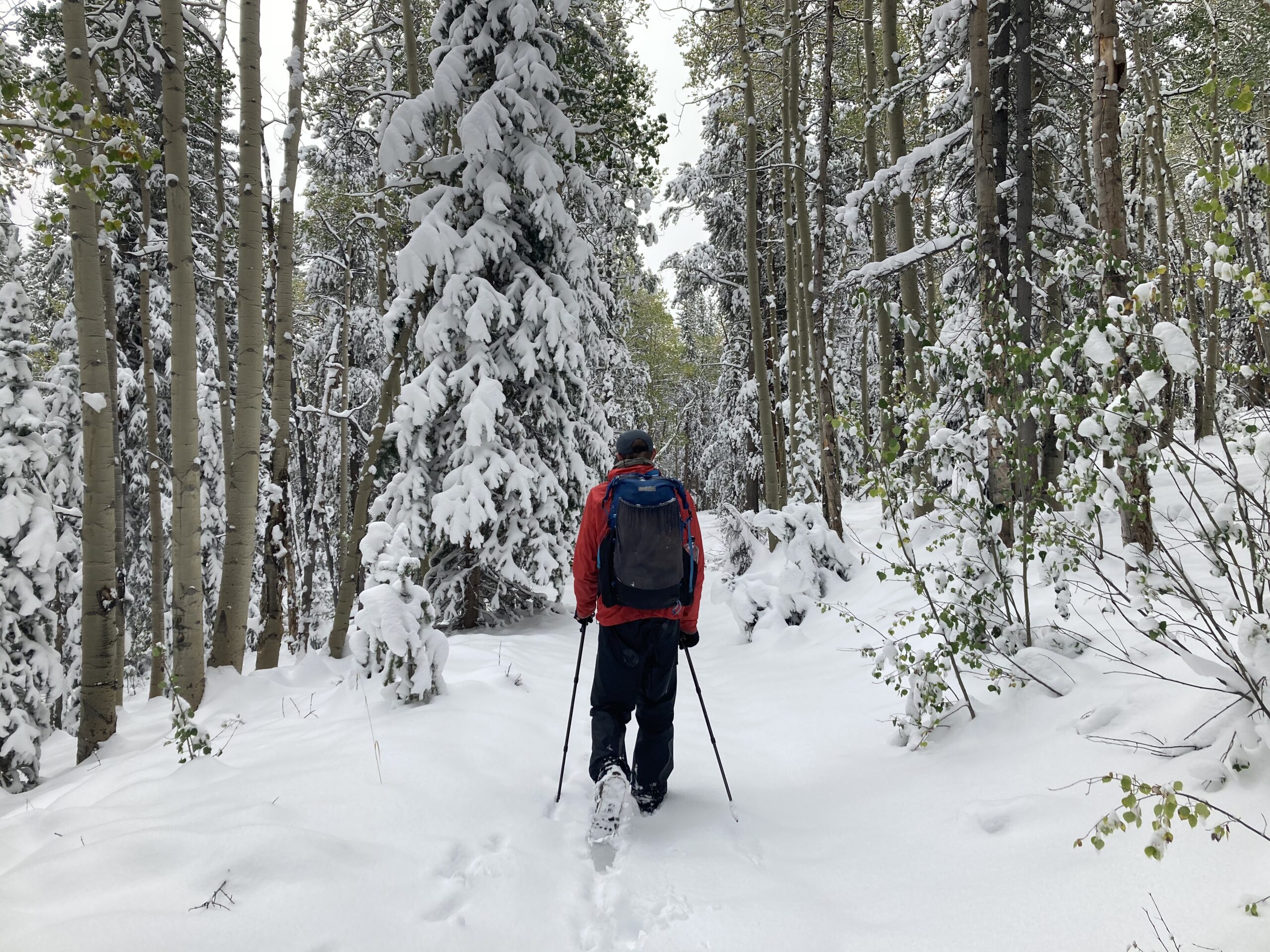
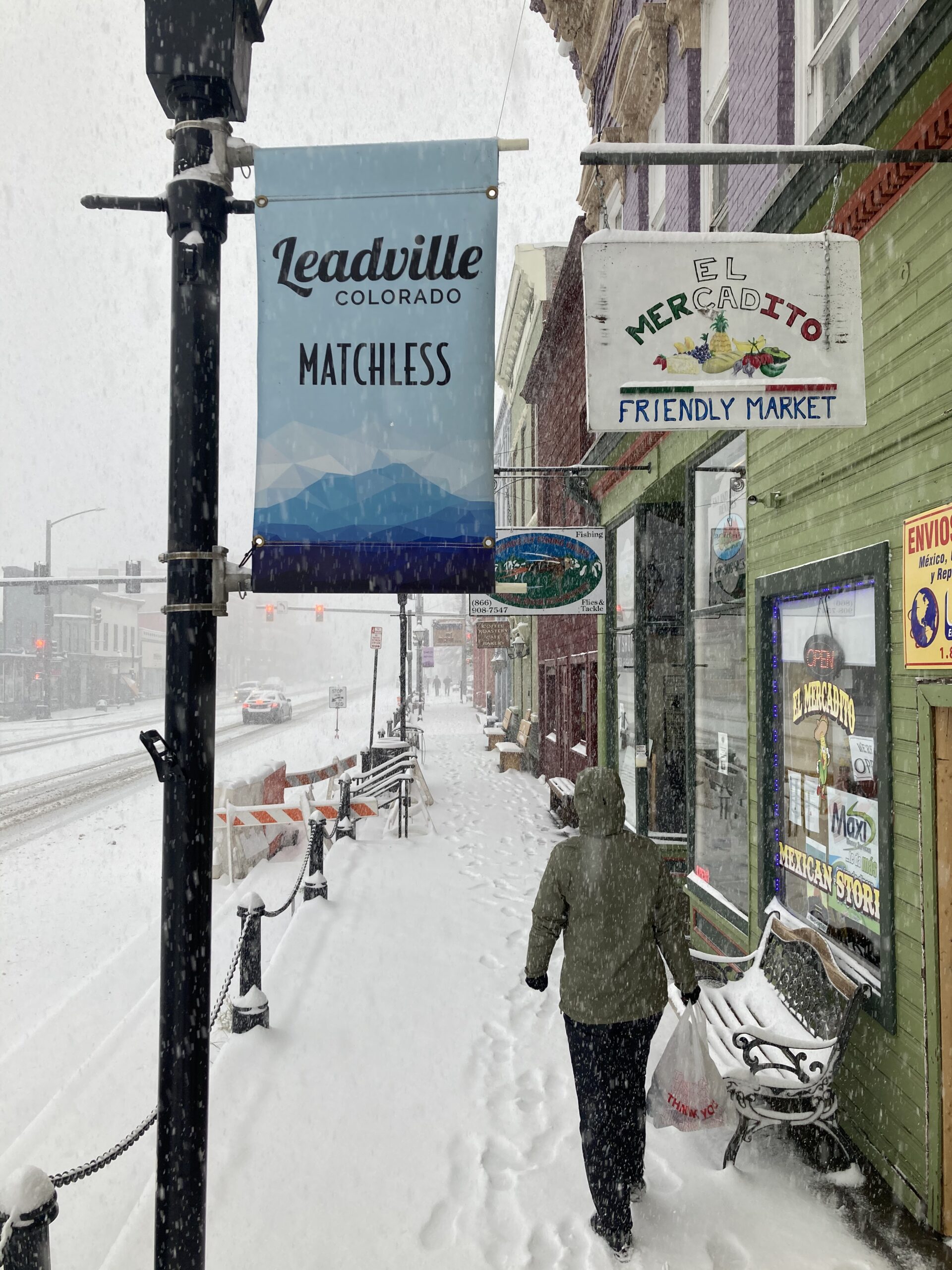
During our trip, we had to wait out a snow storm in Leadville, CO. We ended up heading out a bit too early after the storm, and spent a few days snow camping in the Collegiate section of the trail. This posed challenges with staying warm — especially post-holing through deep snow on a few difficult sections of trail.
Heat During the First Week
Unfortunately, many parts of the West are often in drought conditions. Our first week on the Colorado Trail was hot and there wasn’t much water. We would have given anything to jump in a lake, but all we found were trickling or ankle deep creeks. We were challenged by these conditions during the first week of trail.
Our Day to Day Breakdown
Logistics
We embarked on the Colorado Trail without planning too many of the details. So, we literally just bought the Colorado Trail Databook and started walking a few days later.
Resupplies
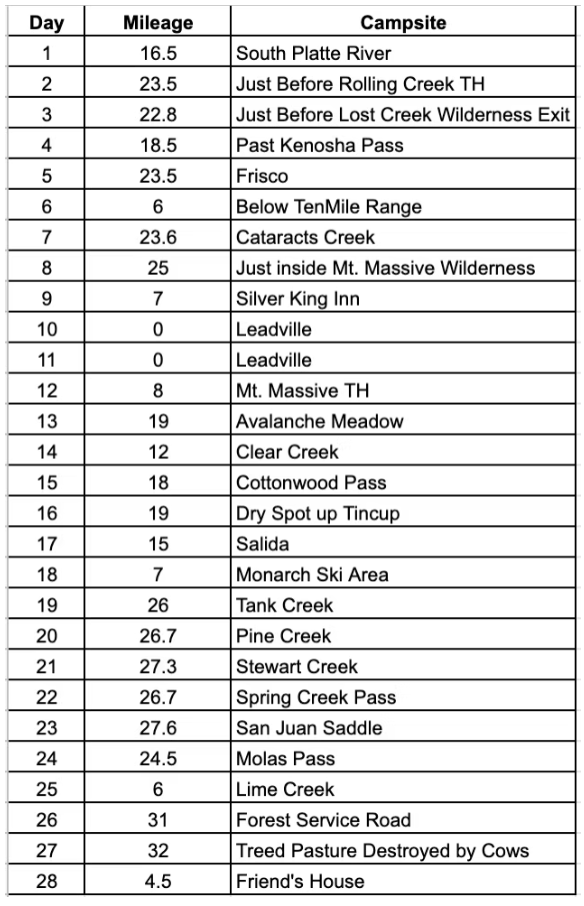
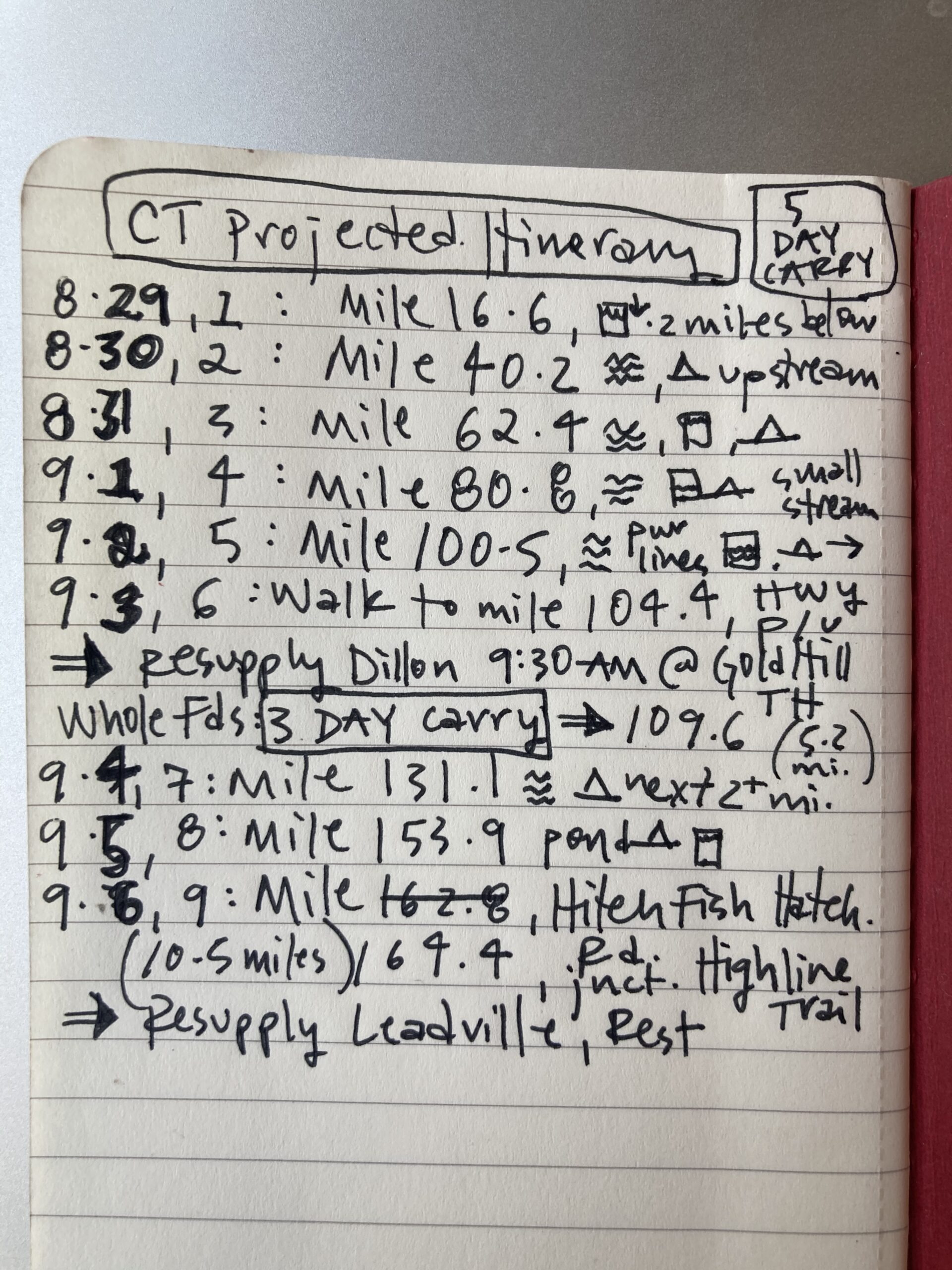
Since we did not send any boxes, below is a table of our resupply locations and how we got off and back on the trail. Resupplying along the Colorado Trail felt easy. There are many different options along the whole trail. In general, hitches were quick and grocery stores were straightforward to find. We did not send ourselves boxes anywhere along the way.

Route Resources & Information
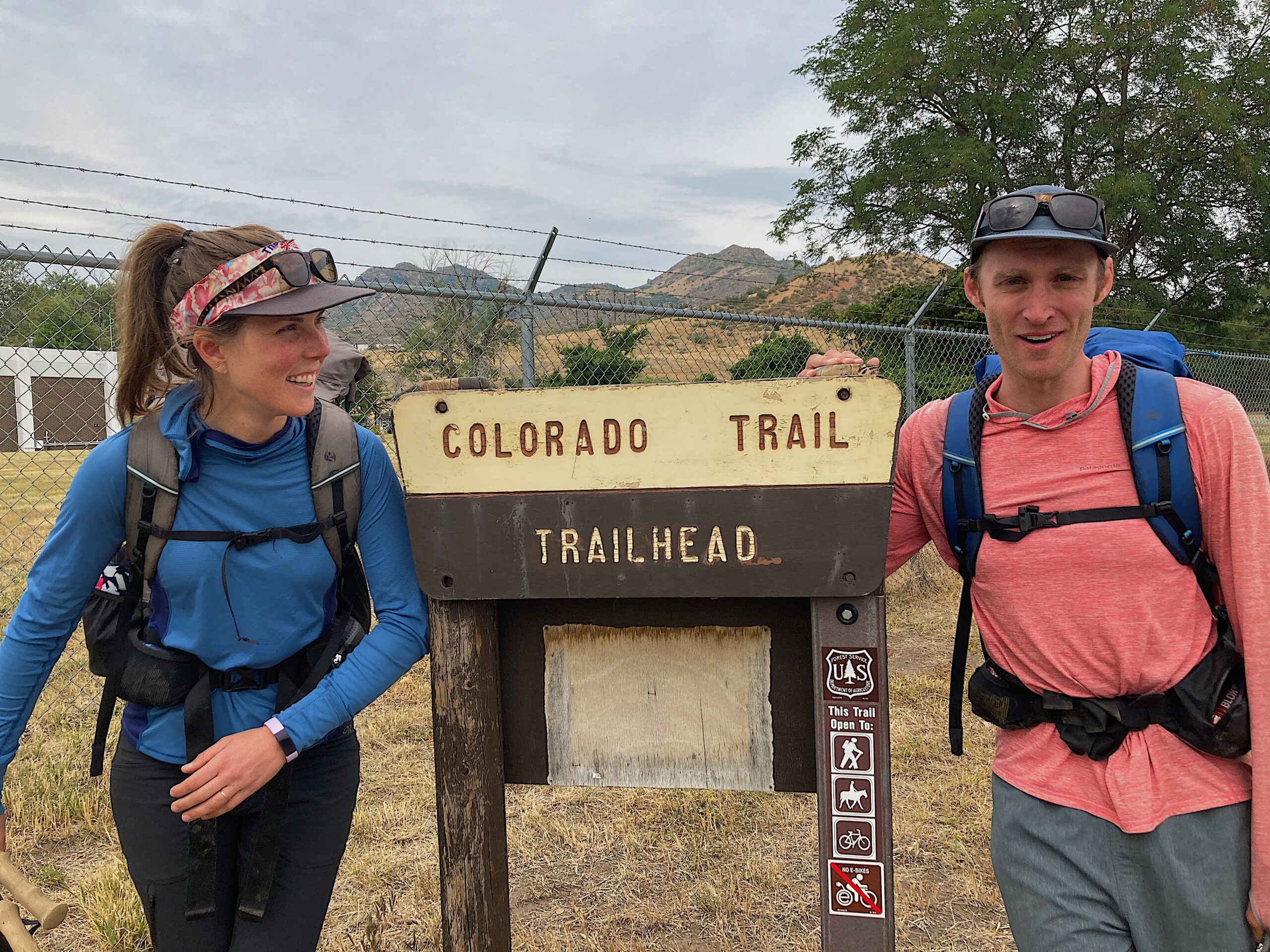
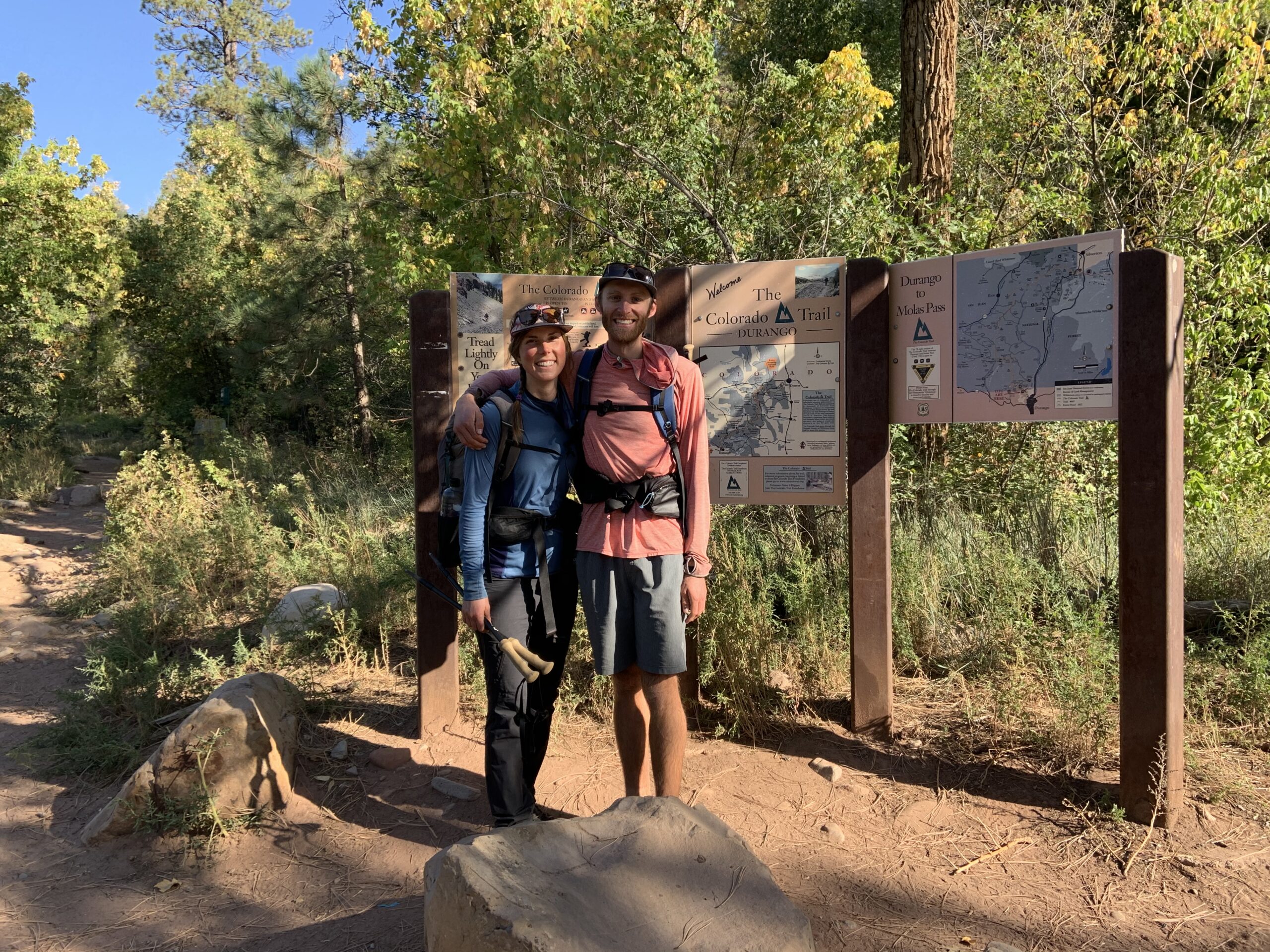
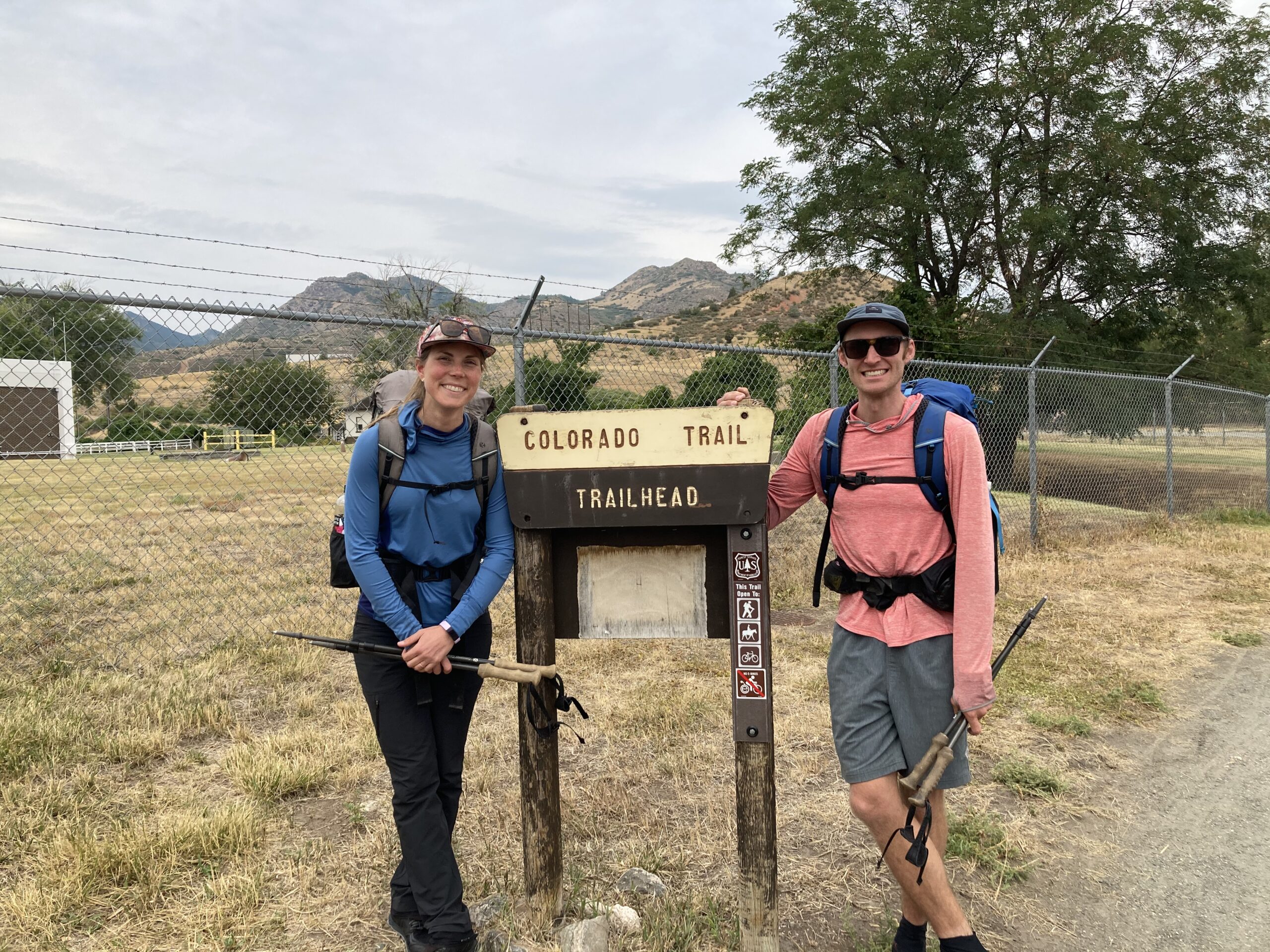
There is a ton of information out there on the Colorado Trail. Books to read, blogs to scour, gear lists to research — probably anything you could want to know about it. The main thing that we found beneficial was the Colorado Trail Foundations online resources. We did not do much research past there. In short, the Colorado Trail is around 500 miles across the state. It has termini located at Waterton Canyon near Denver and Junction Creek in Durango.
Maps & Navigation
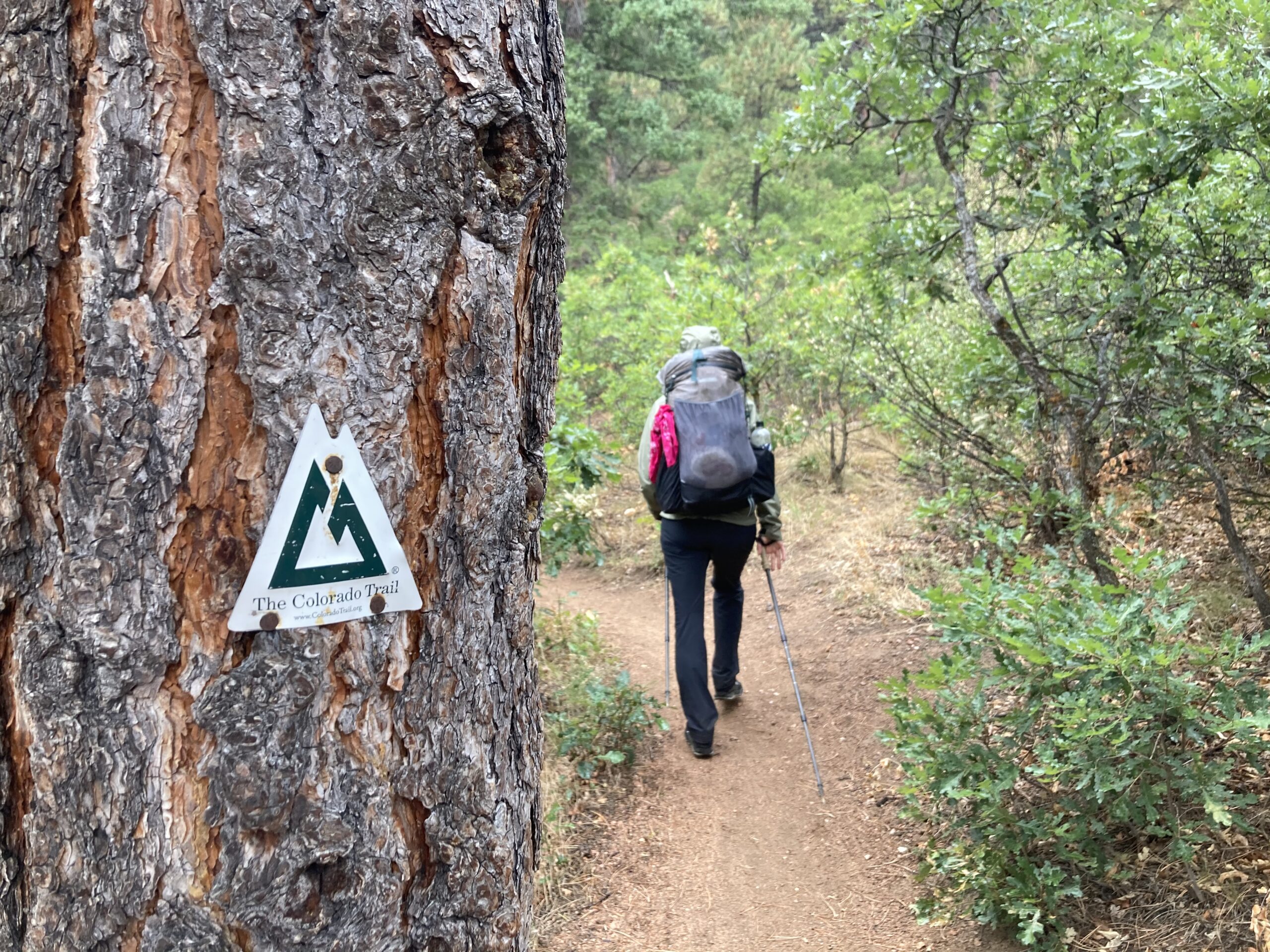
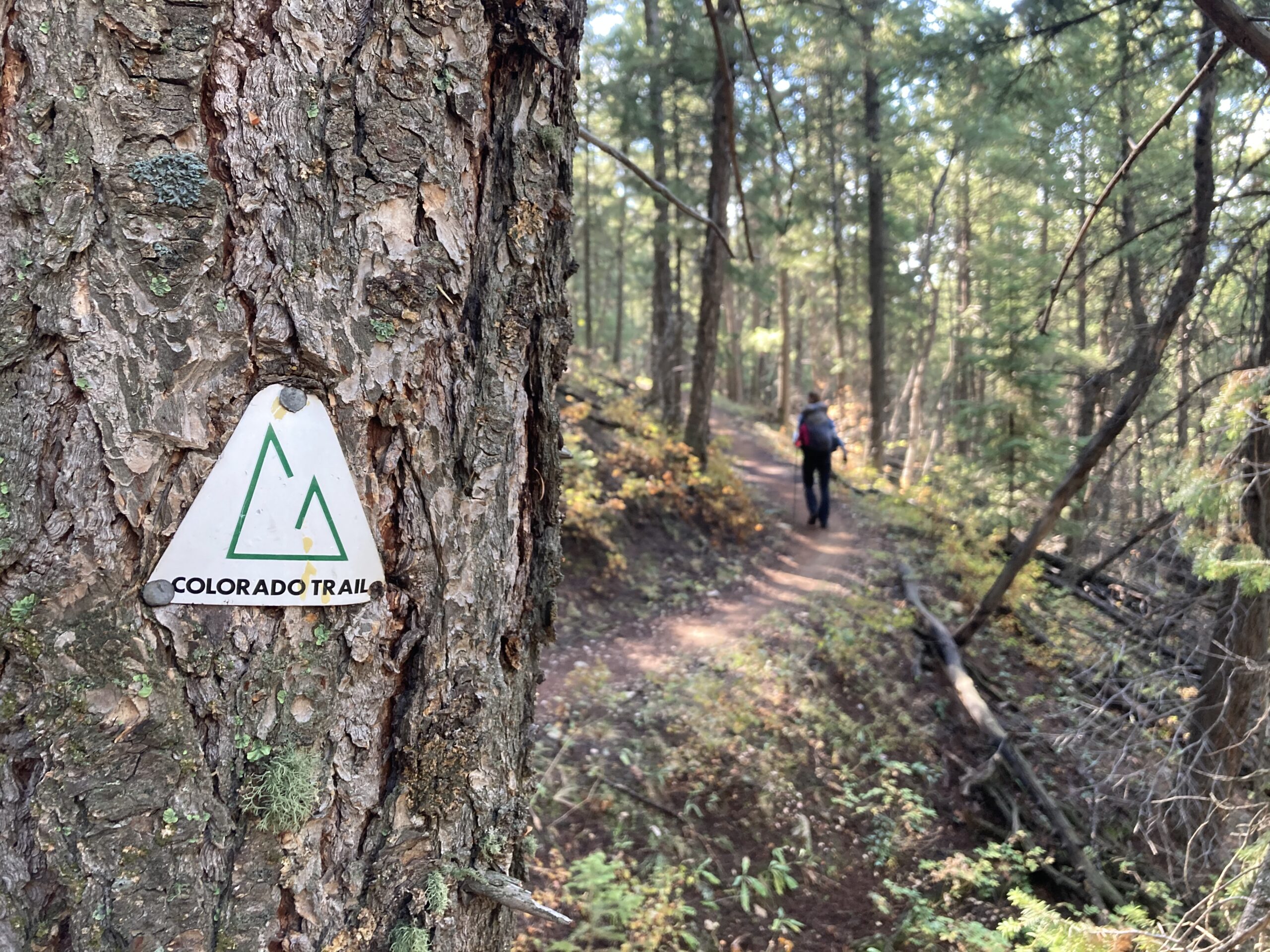
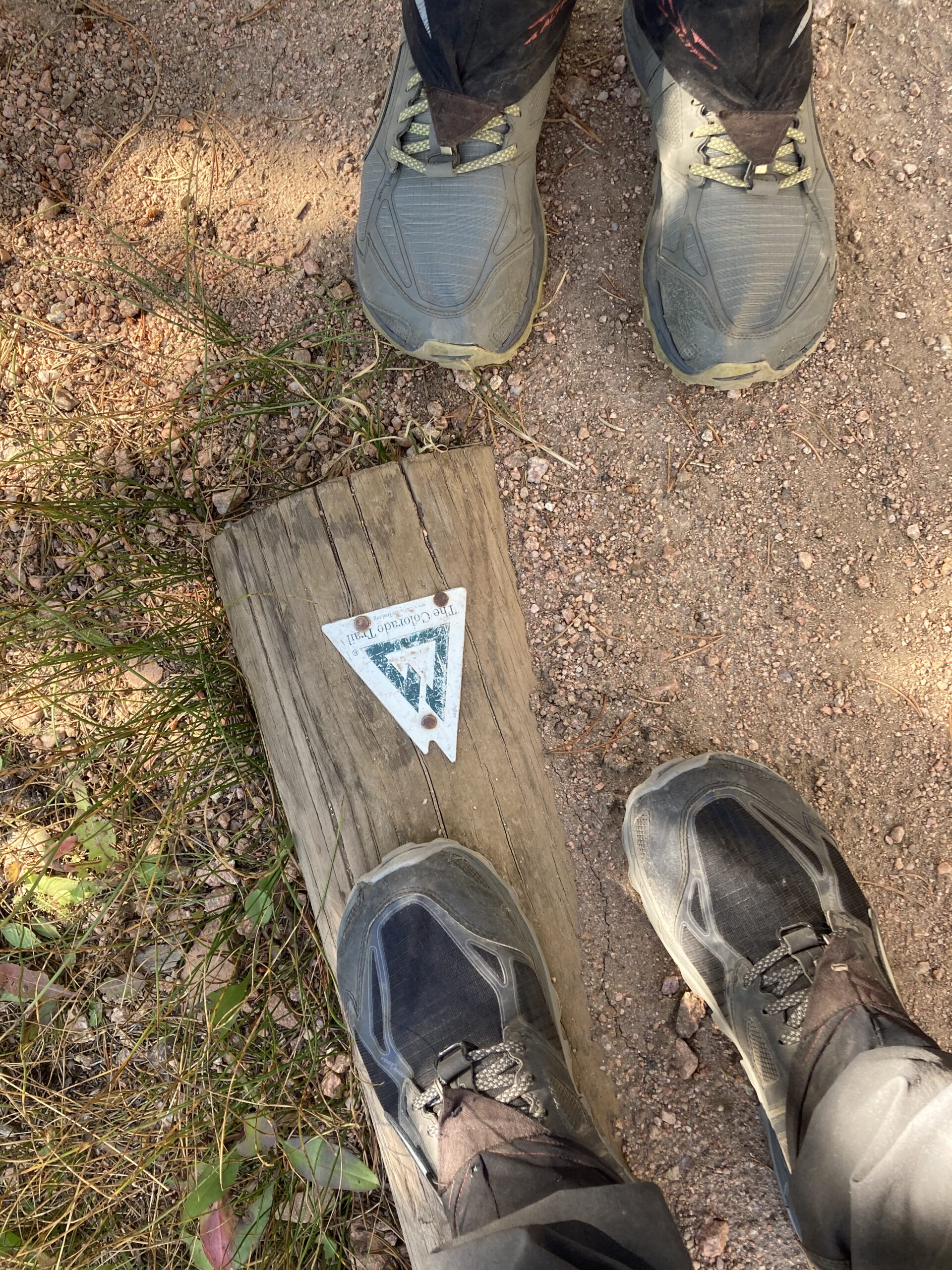
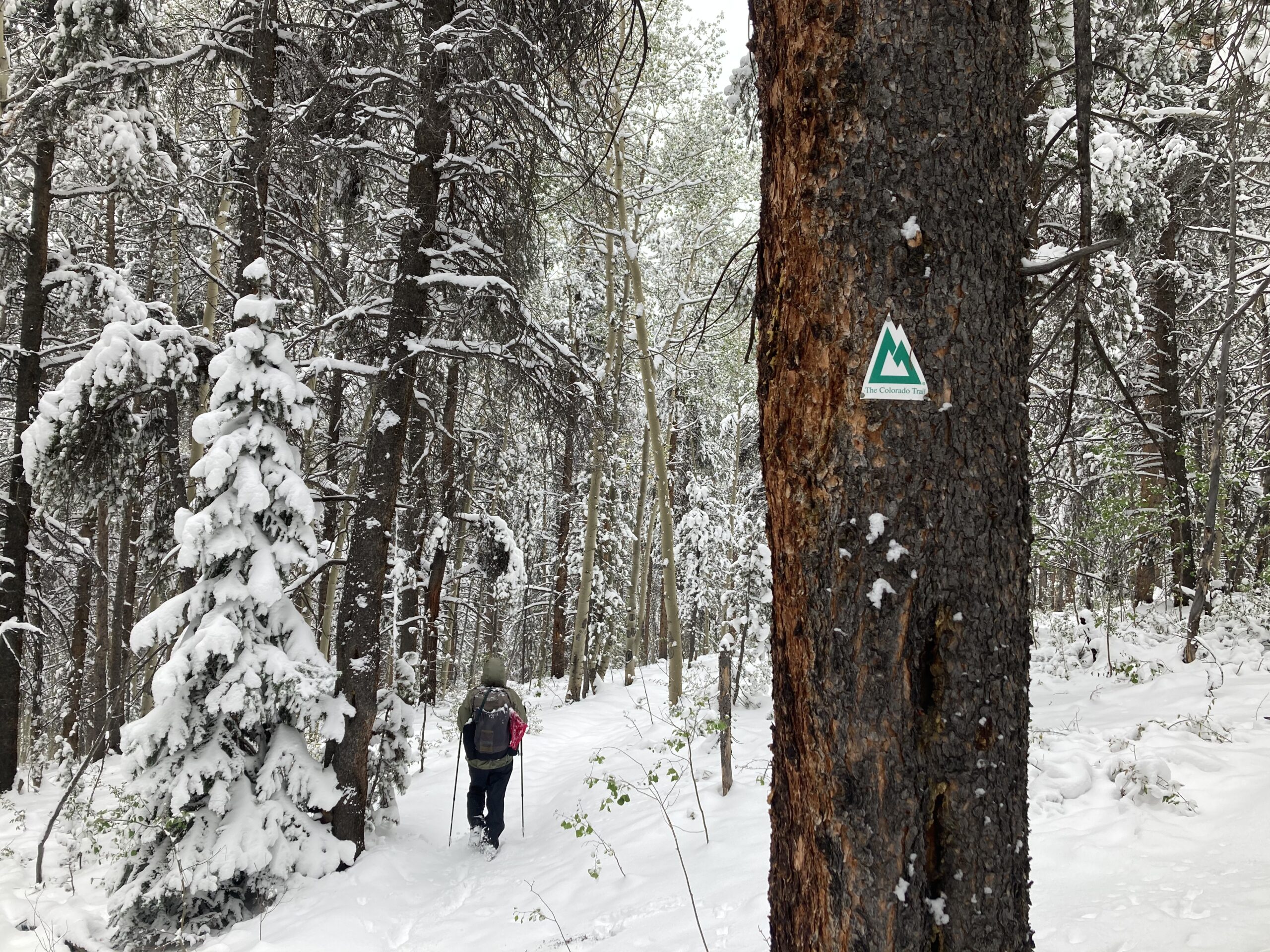
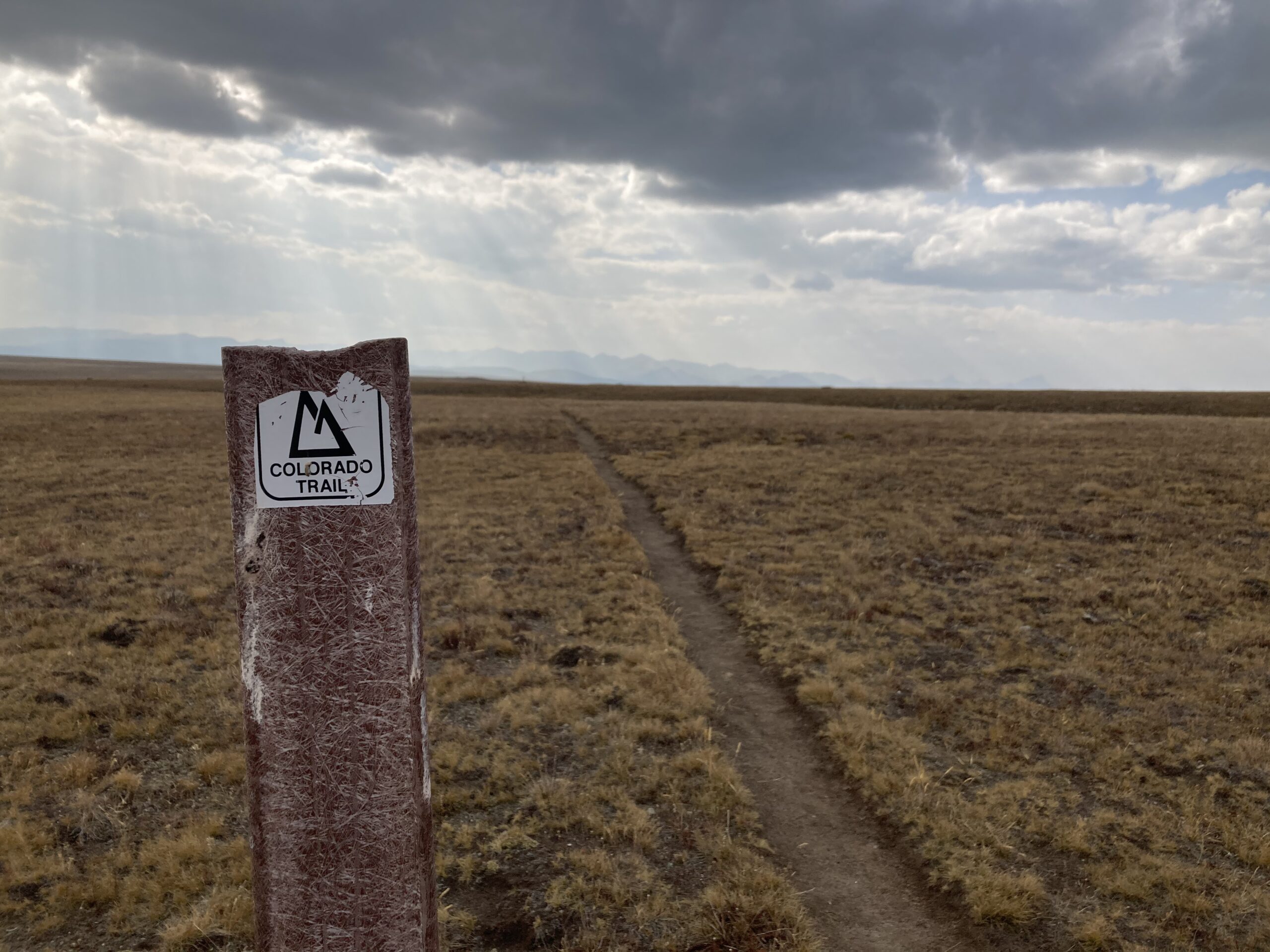
We carried a set of paper maps that were given to us by a friend who did the Colorado Trail years ago. They seemed to be accurate enough — just an older version of the map book. We also carried the small pocket guide to the Colorado Trail. This was by far the most useful tool we had. Honestly, we looked at our maps maybe once to actually figure out where we were. The trail is extremely well marked the whole way. Still, its important to have maps and a back up plan just in case you do get lost.
Transportation
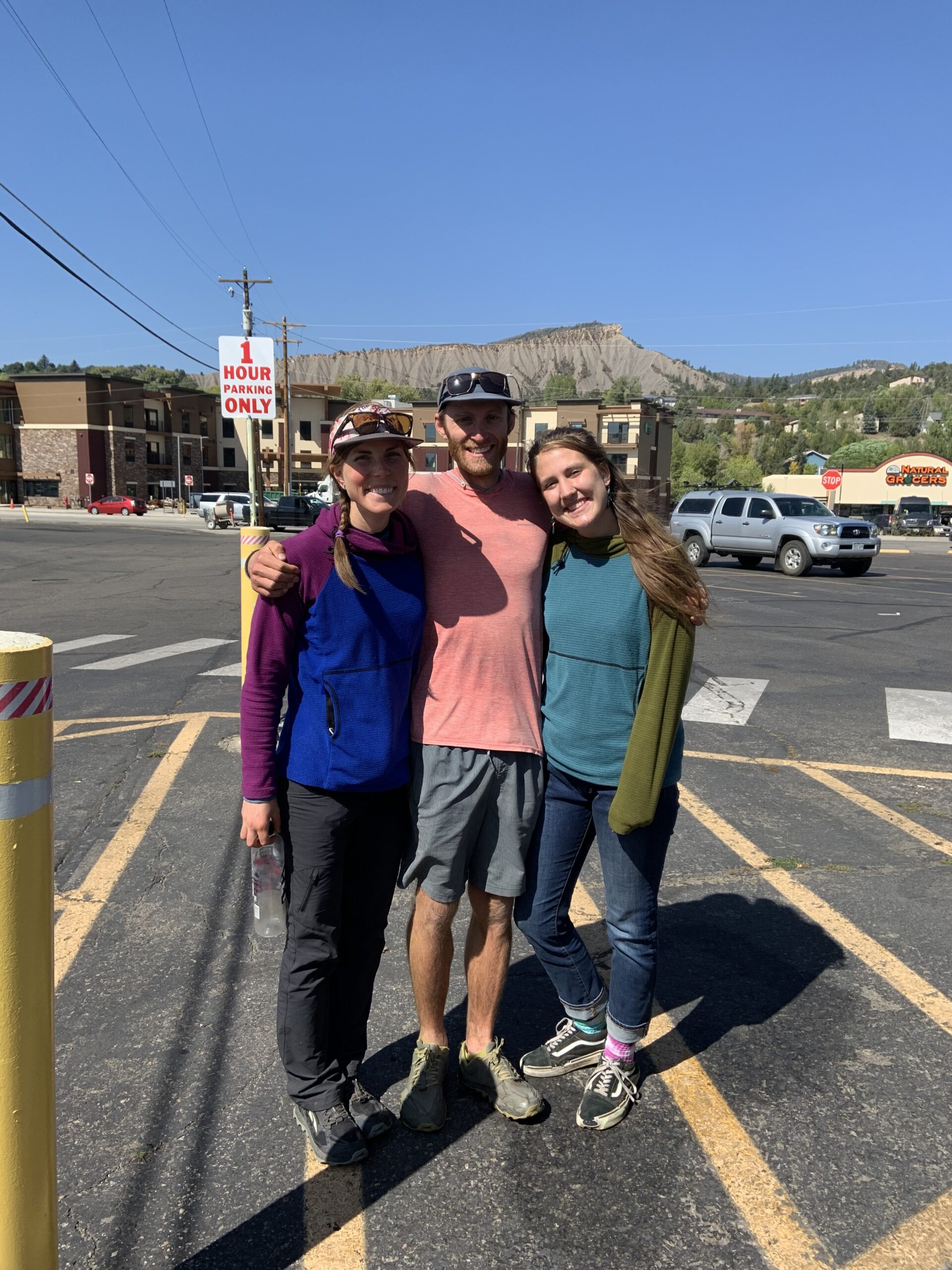
In general, transportation along the trail was simple. As stated above, hitchhiking was fairly dependable, even in the midst of the coronavirus pandemic. The foundation has some good information on their website on how to get to the trailheads at each terminus. We were lucky enough to have a few friends in Colorado that were willing to pick us up.
Direction
You can walk this trail in any direction. You can flip flop it or do it in segments over time. Most of the information we read recommended hiking the trail from Denver to Durango (Southbound/Westbound). The sources we found seemed to prefer this because the terrain is definitely easier right out of Denver and more rugged as you get closer to Durango. They say starting with less rugged terrain will help you build hiking strength over time. The choice is up to you. Surely you can walk in either direction and have two very different and amazing experiences.
When to Hike
The best time to hike the Colorado Trail is July – September. Most folks recommend against hiking past October 1st. Start too early, and you will hit a lot of snow. Start too late, and you may get caught in an early season snowstorm too. We walked in the month of September and the trail seemed quieter than it might have been in peak season. We did have to wait out one early season storm, but we made it. This trail has been walked in all seasons — as long as you have the skill and experience you could hike it in any season.
Resources & Links
Photo Gallery